
Last updated September 22, 2026
Level 1 sweep and inspection to the NFPA 211 annual standard - flue, crown, cap, and flashing checked and photographed
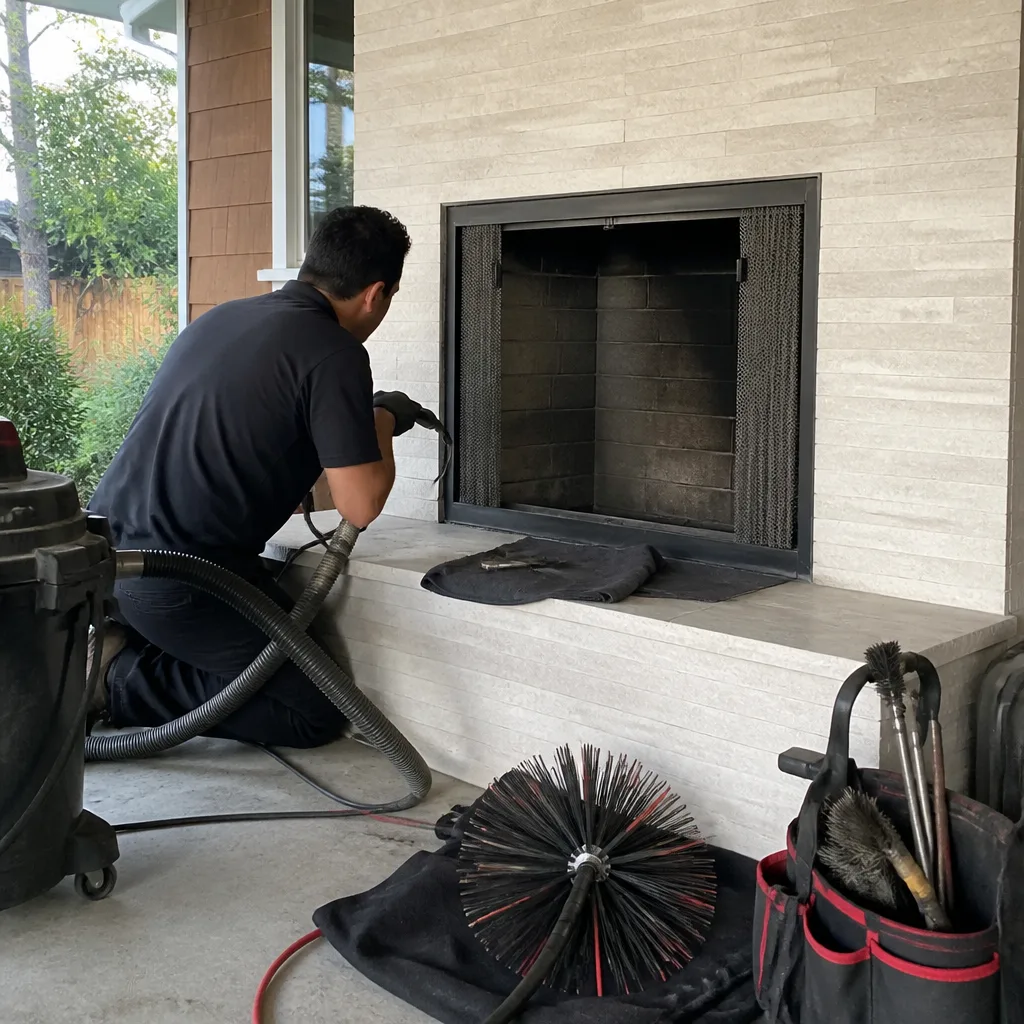
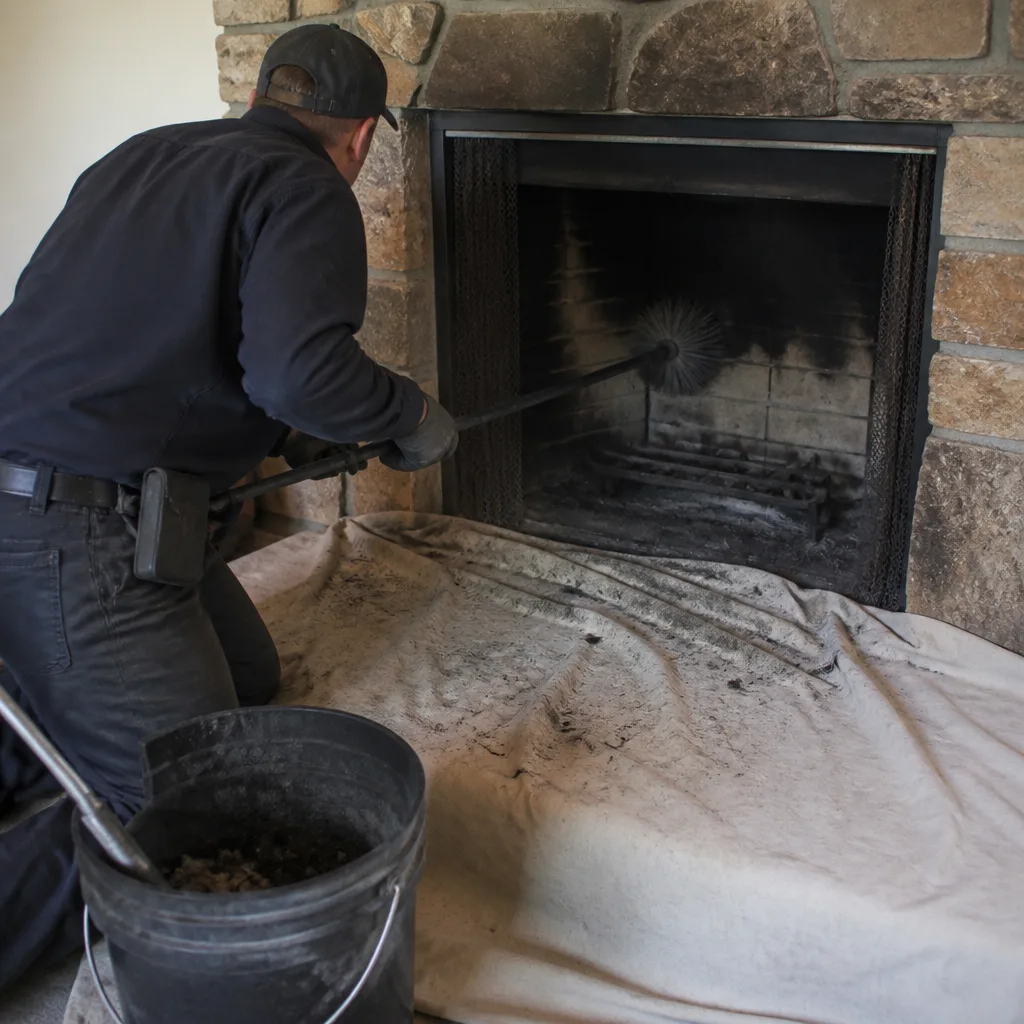
Chimney sweep logs do not sweep chimneys. They loosen some creosote - which then falls where a brush and vacuum still have to collect it.
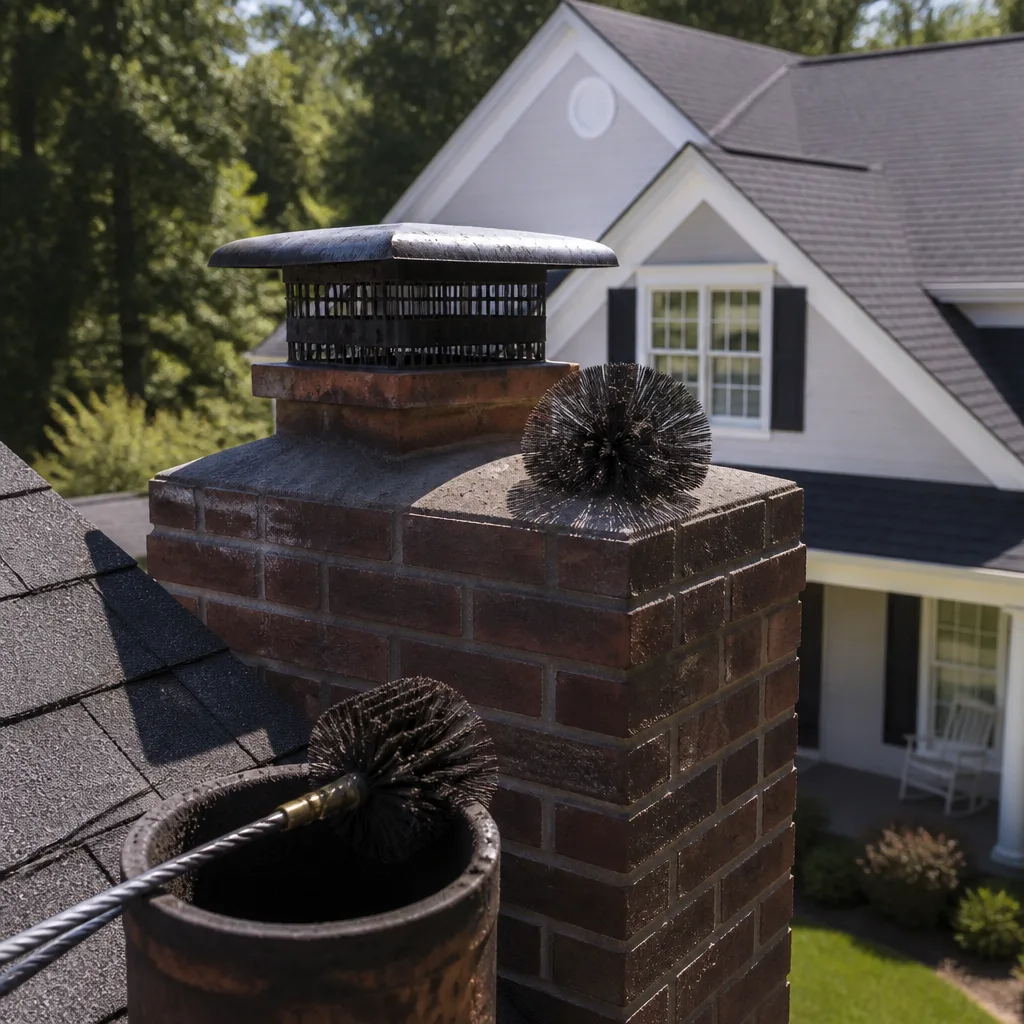
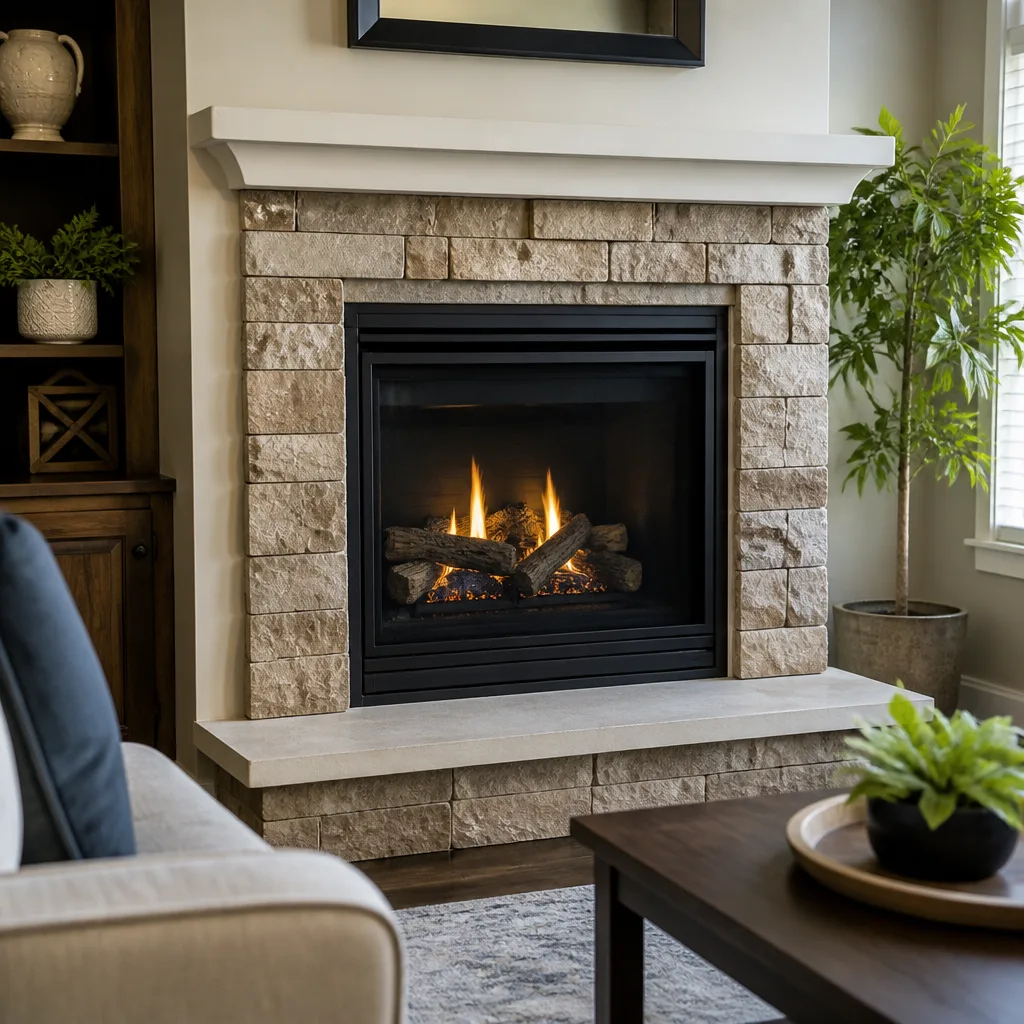
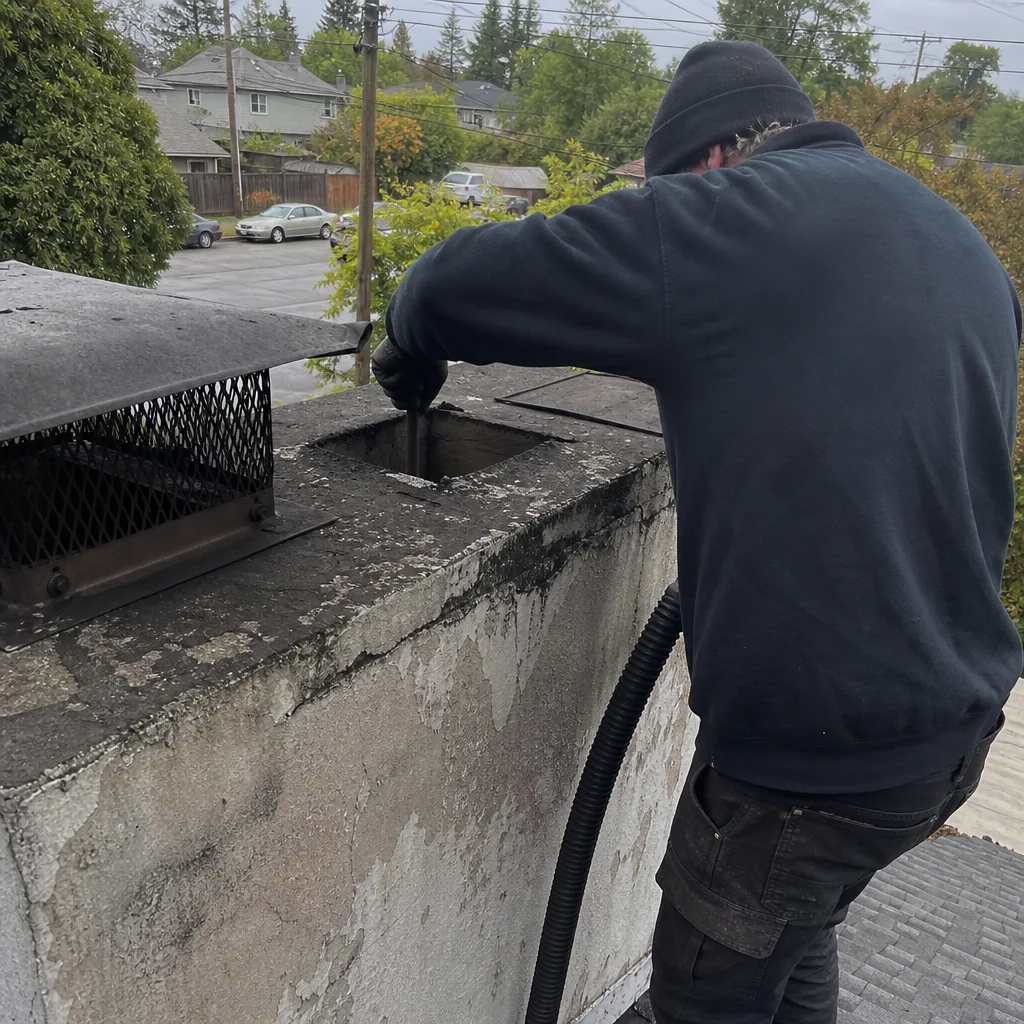 Before
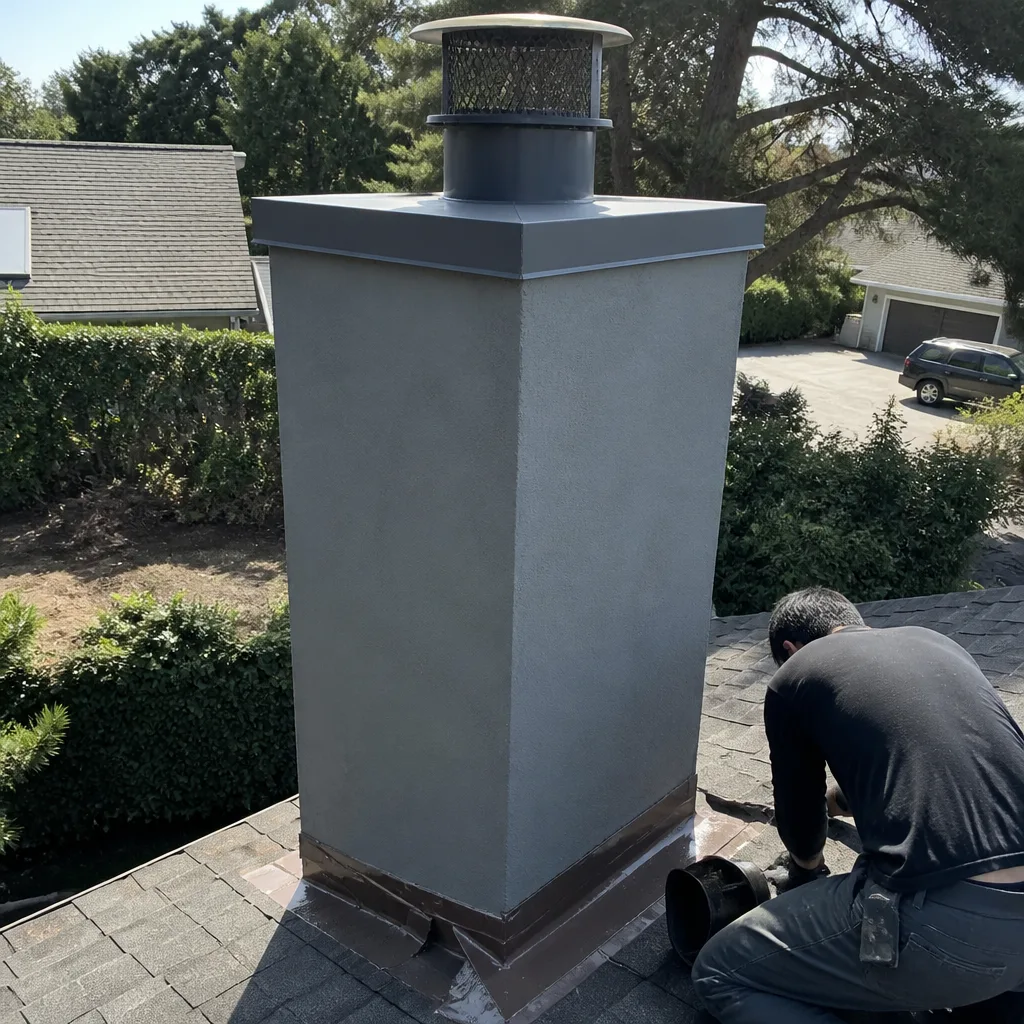 After
After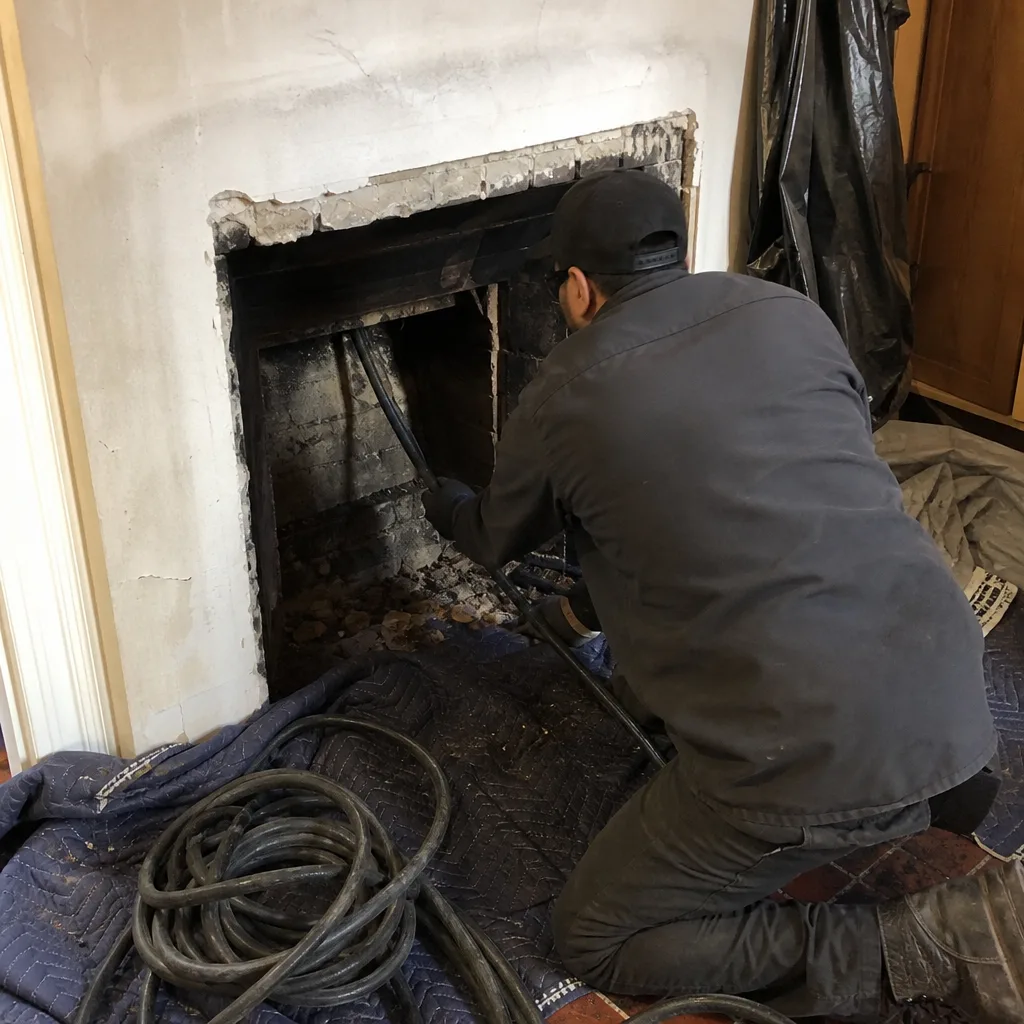 Before
 After
After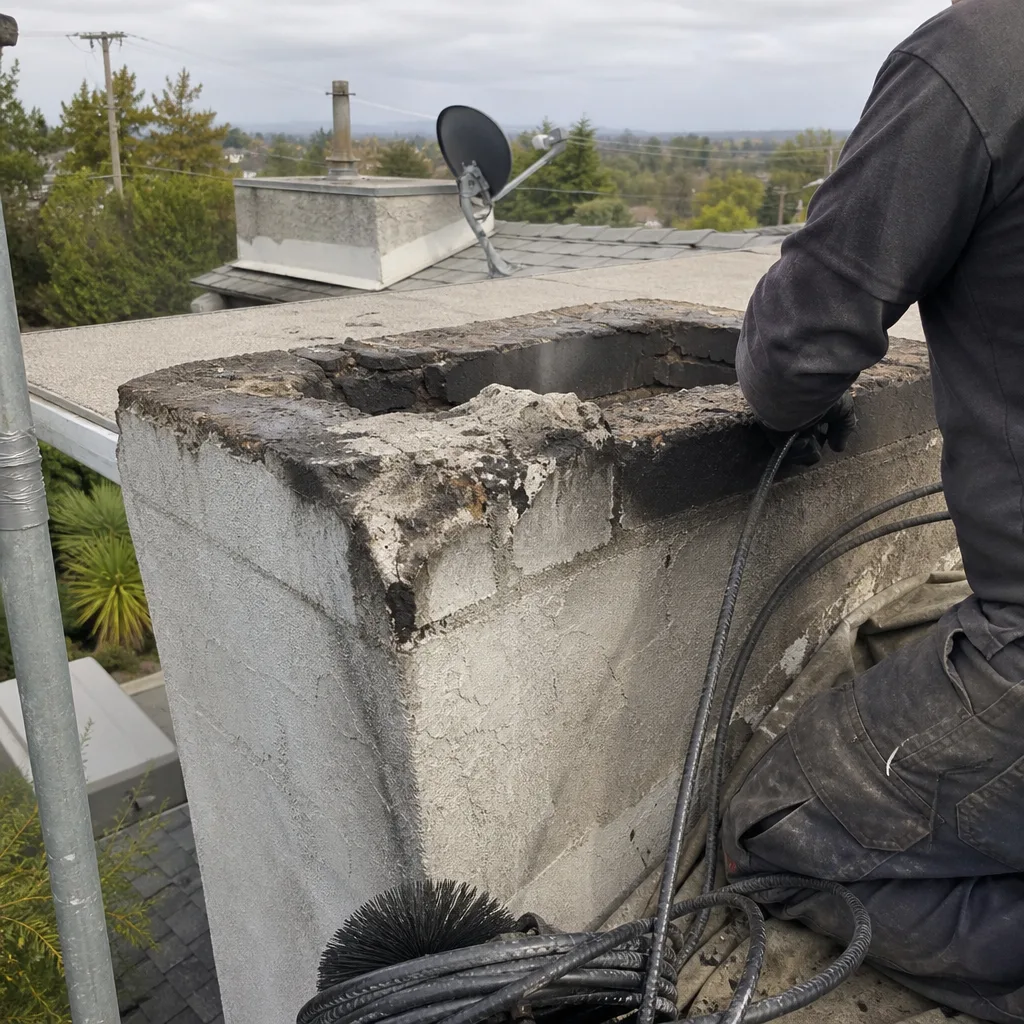 Before
 After
AfterSeasonal Chimney Cleaning Care for San Mateo: Year-Round Homeowner’s Guide
The worst time to discover your flue has a moisture problem is the first cold Tuesday in November when you light the first fire of the season. But that problem was visible in your chimney crown every foggy June morning it went unchecked. San Mateo’s marine climate breaks chimney care into four distinct phases that don’t follow the national “clean before winter” script. The Peninsula’s heaviest fog season arrives in spring, not winter. Dry northeast winds hit in fall. And the mild temperatures mean your chimney sits idle just long enough for small problems to become expensive ones. In this guide, you’ll learn how to read San Mateo’s specific weather patterns against your chimney’s condition, what to inspect and when, and how to build a maintenance calendar that actually protects your home.
Quick Answer
San Mateo homeowners should schedule chimney maintenance four times per year: a post-winter camera inspection in March-April to catch acidic condensate damage, a cap and screening check in June before summer dormancy, a pre-burning-season sweep and documentation review in September-October ahead of Spare-the-Air restrictions, and a post-storm draft inspection after winter atmospheric rivers. Following this Peninsula-specific schedule prevents the moisture damage and draft failures that generic annual cleaning misses entirely.
Table of Contents
- Spring (March-May): The Hidden Damage Season
- Summer (June-August): Protecting an Idle System
- Fall (September-November): Pre-Burning Preparation
- Winter (December-February): Storm Protocols and Draft Monitoring
- How El Niño and La Niña Shift Your Schedule
- What Seasonal Chimney Care Costs in San Mateo
- Common Mistakes to Avoid
- When to Call a Professional
- Frequently Asked Questions
 Before
 After
AfterSpring (March-May): The Hidden Damage Season
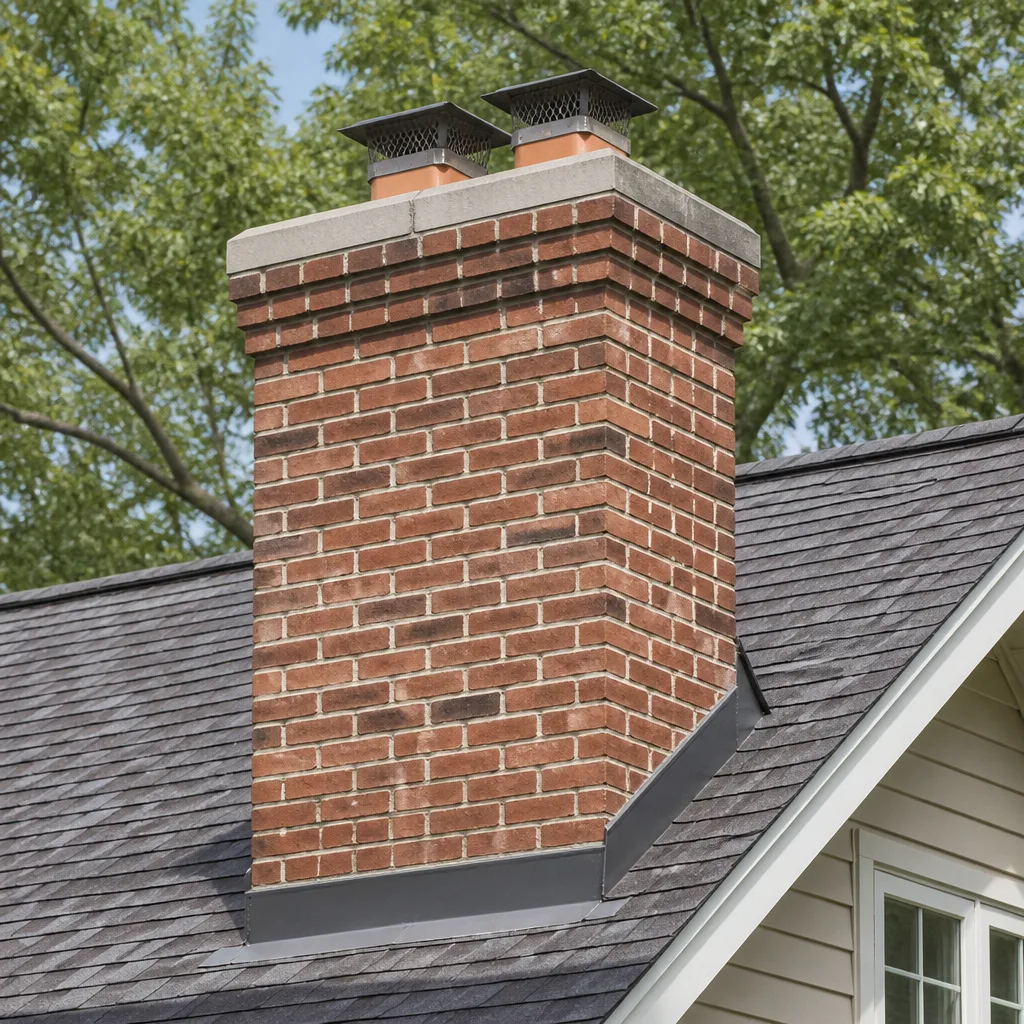
San Mateo’s heaviest fog season runs March through May, and it does more damage to chimneys than most homeowners realize. While the rest of the country thinks spring means mild weather and outdoor projects, the Peninsula sits under a marine layer that deposits acidic moisture on every exposed masonry surface. Your chimney crown, the concrete slab that seals the top of your flue, absorbs this moisture all morning. By afternoon, if the sun breaks through, that moisture evaporates and the crown contracts. Repeat this cycle daily for ninety days, and hairline cracks become structural fractures.
Here’s what we find on spring inspections in San Mateo neighborhoods from Baywood-Aragon to Hillsdale:
- Acidic condensate staining on flue liners - the white or greenish residue that indicates combustion gases mixed with moisture and etched the liner surface. Left untreated, this thins clay flue tiles and corrodes stainless steel liners.
- Crown spalling - surface flaking on the chimney crown where freeze-thaw cycling (rare here) is less damaging than the daily wet-dry cycling of marine layer fog.
- Smoke chamber deterioration above the firebox - the area where the fireplace walls slope inward toward the flue. Spring moisture finds gaps in parging (the mortar coating) and accelerates brick decay.
- Damper corrosion - the metal plate that seals your flue when not in use. Fog-laden air settles in the flue all spring; a damper that was stiff in January may be seized by June.
The correct spring protocol is a post-winter NFPA 211 Level 2 inspection with camera scan. This isn’t a flashlight look from the hearth. We run a chimney camera the full length of the flue, document liner condition with photos, and take a moisture reading of the crown surface. If the reading exceeds 15 percent, we recommend sealing before summer drying cracks it further. In our experience, crowns that test above 20 percent moisture in April will show new cracking by August if left untreated.
Spring is also when to assess creosote accumulation from the burning season. San Mateo homeowners who burned regularly from November through March typically produce Class I or II creosote (powdery or flaky, removable with standard sweeping). But if you burned unseasoned wood, or if your draft was poor due to a partially blocked flue, you may have Class III creosote - the glazed, tar-like deposit that requires mechanical removal and chemical treatment. We identify creosote class during camera inspection and note it in your written documentation. Clause 4 of the Haven Standard requires this photo record on every job, and spring is when that record matters most for planning.
Neighborhoods near the bayfront - Shoreview, Marina Lagoon, and the area around Coyote Point - see heavier spring moisture loads than hillside homes in San Mateo Park or Sugarloaf. If you’re in a fog-prone zone, consider scheduling your spring inspection for early March rather than waiting until April.
Summer (June-August): Protecting an Idle System
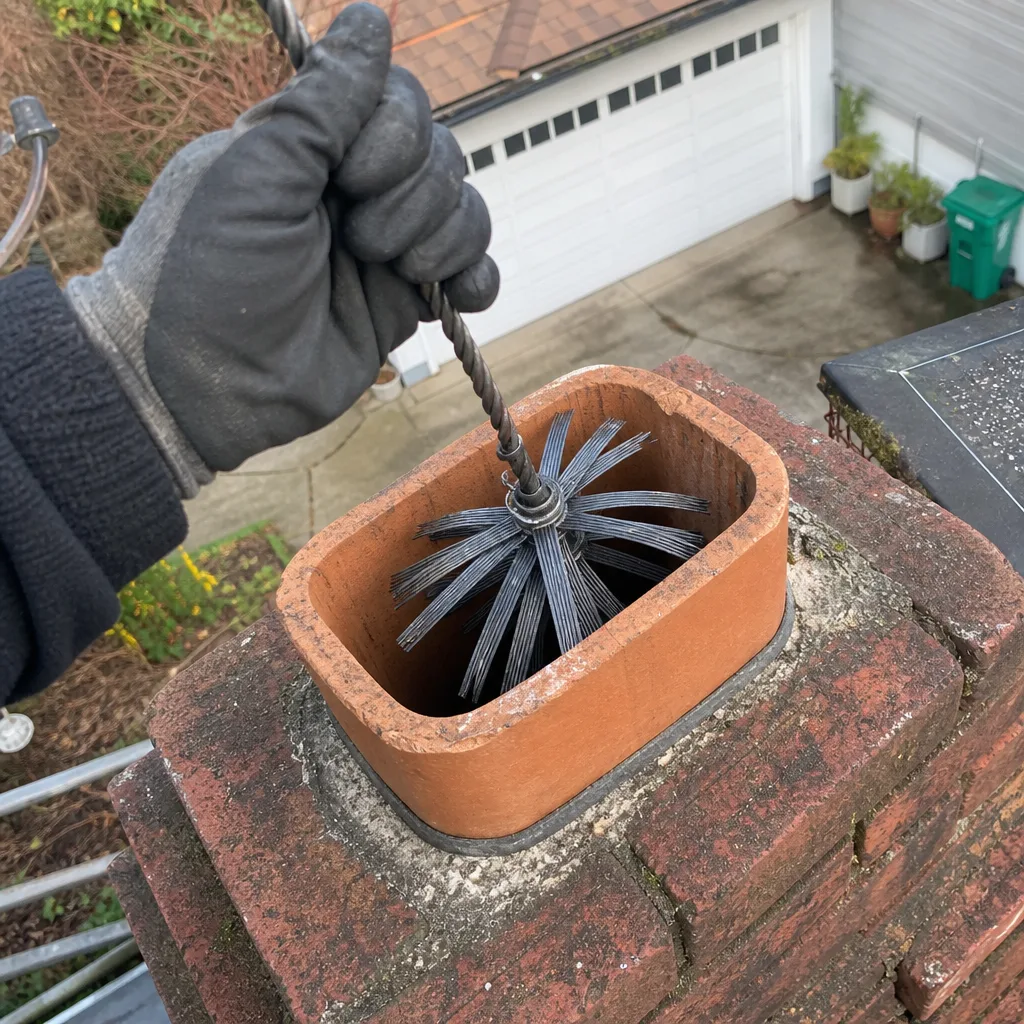
San Mateo’s summer chimney maintenance is about what happens when nothing happens. From June through August, most Peninsula fireplaces sit cold for twelve to sixteen weeks. This dormancy creates specific risks that national chimney guides ignore entirely.
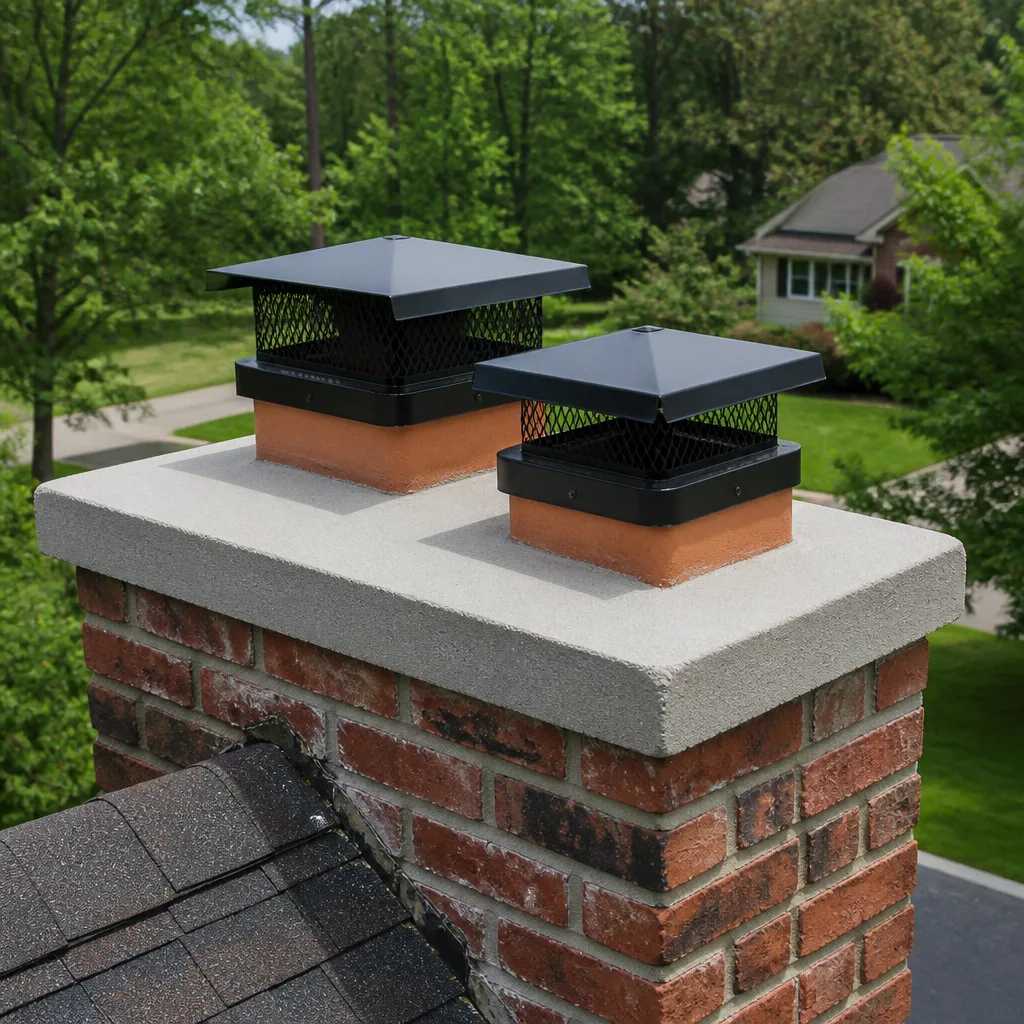
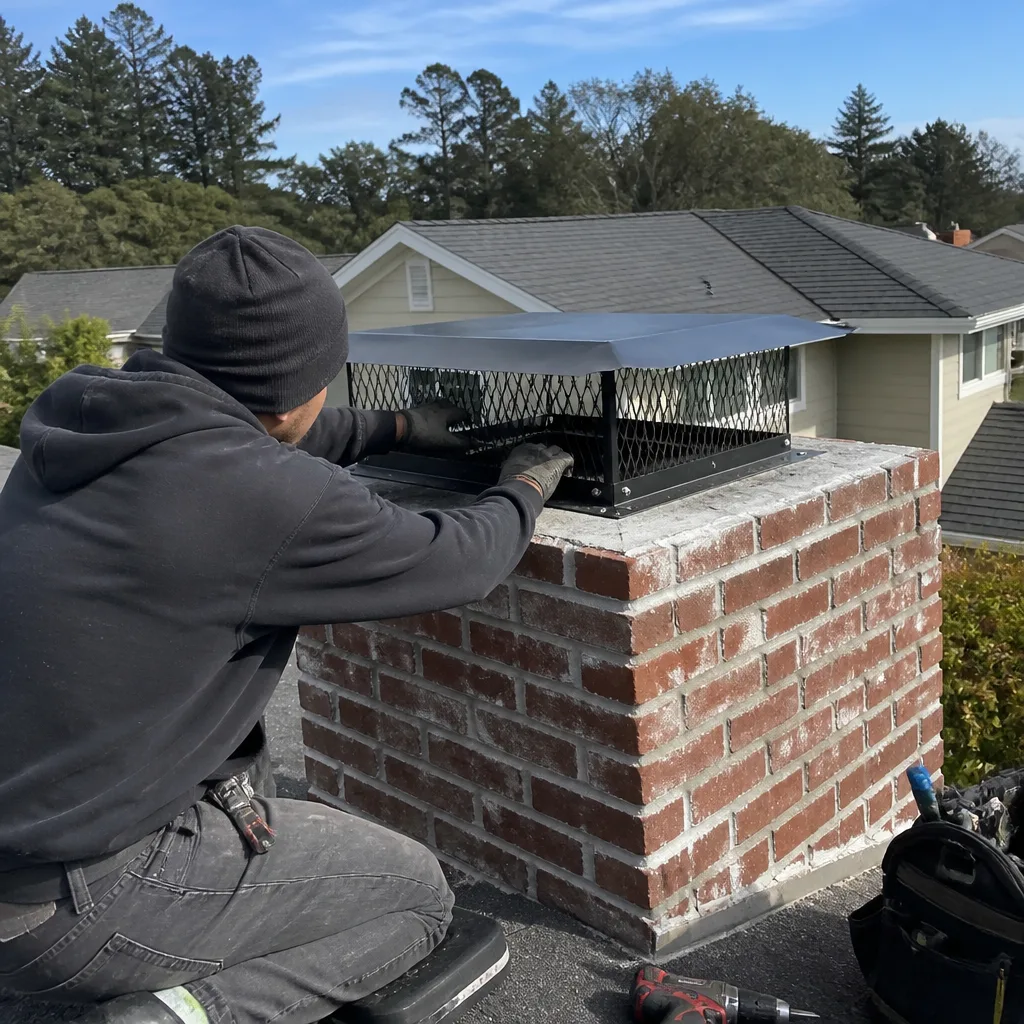
First, the cap condition. Your chimney cap - the metal cover with mesh sides that keeps rain and animals out - takes a full year of sun, wind, and salt air by summer. The stainless steel mesh on caps from quality manufacturers like Gelco and Olympia Chimney resists corrosion, but the attachment points and screws do not. We inspect cap integrity in June because a cap that loosens in summer won’t show symptoms until the first November storm, when water pours into an unsealed flue.
Second, animal intrusion screening. Summer is breeding season for swifts, swallows, and the occasional raccoon in San Mateo County. A chimney without functional screening becomes a nesting site. The resulting blockage is a carbon monoxide hazard and a fire risk. We check that mesh openings are 5/8-inch or smaller (the standard that blocks starlings and squirrels) and that no gaps exist at the cap-to-flue junction.
Third, draft damper position. In homes without whole-house cooling, Peninsula residents rely on natural ventilation patterns - evening marine air intake, daytime thermal exhaust. A chimney damper left closed all summer traps humid air in the flue. Left open, it creates an uncontrolled air leak that undermines your home’s cooling efficiency. We recommend the “summer open” position for San Mateo homes: damper cracked one-quarter inch, with a chimney balloon or draft-stopper inserted below it to block air movement while allowing moisture equalization. This prevents the musty odor that many homeowners report in September when they first open the damper for fall.
Summer is also the optimal season for liner work and masonry repairs. The dry conditions allow proper curing of HeatShield cerfractory flue resurfacing, and scheduling outside the pre-winter rush means written pricing without seasonal demand premiums. We’ve completed full liner replacements in San Mateo during July and August that would have required four-week waits in October.
Fall (September-November): Pre-Burning Preparation
Fall chimney care in San Mateo is timed to a regulatory calendar that most of the country doesn’t face. The Bay Area Air Quality Management District (BAAQMD) declares Spare-the-Air alerts from November through February, prohibiting wood burning on alert days. But the pre-season preparation window is shorter than it appears.
Here’s the fall checklist we use for San Mateo homes:
- Schedule sweep and inspection by October 15 - before the first cold snap produces the annual rush. Our 24/7 live phone support books appointments, but October slots fill first.
- Verify “burn-ready” documentation - your sweep should provide written confirmation that the system is safe to operate, including creosote class, liner condition, and draft test results. This is your defense if a neighbor reports visible smoke during a Spare-the-Air day and you need to prove your fire was legal (EPA-certified inserts are exempt; open fireplaces are not).
- Check BAAQMD forecast calendar weekly - sign up for AirAlerts at baaqmd.gov. The forecast is published by 2 p.m. daily for the following day. On alert days, switch to gas or abstain entirely; violations carry fines starting at $100 for first offenses.
- Test draft before first fire - light a match at the firebox opening and observe flame direction. Flame drawn inward indicates negative pressure and functional draft. Flame pushed outward, or blowing out, indicates a blocked flue or house pressure imbalance. Do not burn until resolved.
- Inspect visible firebox brick and mortar - look for mortar joints recessed more than one-half inch, or brick faces that have begun to spall (flake or crumble). These indicate heat damage that will worsen with use.
The documentation piece matters more than most homeowners realize. When we complete a Chimney Cleaning & Sweep in San Mateo, the deliverable includes: dated photos of flue condition before and after cleaning, a written scope of work, a written price for any recommended repairs, and a warranty document. This packet satisfies insurance requirements, supports home sale disclosures, and documents compliance if BAAQMD enforcement questions arise. Clause 1 of the Haven Standard requires the written price before work starts; Clause 4 requires the photo record. We don’t consider a job complete without both.
Fall is also when to evaluate whether your chimney cap and crown survived summer. The first significant rain of the season, typically in late October or early November, reveals leaks that developed during dormancy. We recommend a visual crown check from ground level after the first storm: look for fresh water staining on the exterior masonry below the crown, or any debris washed onto the roof that suggests crown surface degradation.
Winter (December-February): Storm Protocols and Draft Monitoring
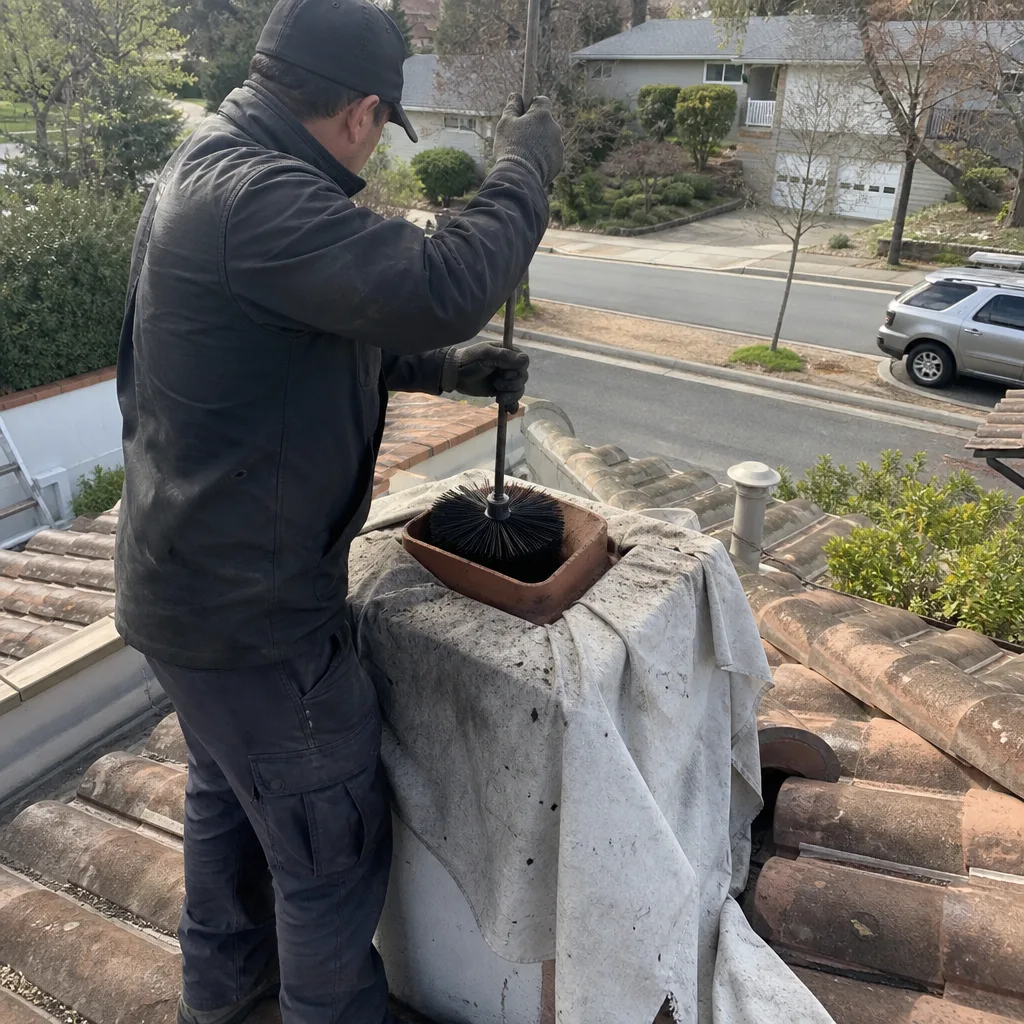
San Mateo’s winter chimney care centers on atmospheric river events - the sustained, warm, moisture-laden storms that replace the cold-weather systems of the national chimney narrative. These storms create specific conditions that affect draft performance and moisture intrusion.
Atmospheric rivers raise ambient humidity and drop barometric pressure simultaneously. Your chimney draft depends on the temperature and pressure differential between the flue interior and the outside air. When outside air warms and pressure drops, that differential shrinks. The result: smoke that draws adequately in dry December conditions may back-puff into the living room during a January storm.
What to monitor during and after sustained rainfall:
- Water in the firebox - visible pooling or damp ash indicates cap failure, crown cracking, or flashing separation at the roofline. Note the storm date; this helps us trace the leak path during inspection.
- Draft reversal on windy days - if smoke enters the room only during south-southeast winds (the typical atmospheric river approach), your chimney may lack adequate height above the roof ridge or nearby trees may create pressure eddies. This is a design issue, not a blockage.
- Efflorescence acceleration - the white mineral deposits on exterior brick that indicate water migration through the masonry. Winter storms push more water through existing cracks than summer fog; efflorescence that appeared minor in October may bloom significantly by February.
- Metal component corrosion - dampers, fire grates, and gas log pilot assemblies corrode faster in high-humidity winters than in cold, dry conditions. Check for orange rust dust on the firebox floor.
After any atmospheric river event that drops more than two inches in twenty-four hours, we recommend a visual inspection of accessible components. This is not a substitute for professional inspection, but it catches obvious problems: displaced cap, visible crown damage from wind-borne debris, or water lines on interior flue walls visible from the firebox opening.
Winter is also when improperly maintained systems show their true cost. A flue partially blocked by Class III creosote, combined with reduced draft from storm pressure, produces incomplete combustion and carbon monoxide risk. The odorless, colorless gas is the reason we never recommend “burning carefully” with a known draft problem. If your fire smokes into the room during normal conditions, or if your CO detector alarms during fireplace use, extinguish the fire and call for inspection. This is not a maintenance deferral; it’s an active hazard.
For homes in San Mateo’s hillier areas - around Crystal Springs Road, Sugarloaf, or the slopes above El Camino Real - winter wind exposure increases all these effects. Chimneys on ridgelines see higher sustained winds and more driving rain than valley-floor homes. The maintenance interval may need compression, not extension, for these locations.
How El Niño and La Niña Shift Your Schedule
San Mateo’s chimney maintenance calendar isn’t fixed. The Pacific Decadal Oscillation and shorter-term El Niño-Southern Oscillation (ENSO) cycles alter rainfall patterns enough to change what “annual” cleaning means in practice.
El Niño winters (warmer eastern Pacific, like 2023-2024) bring more frequent atmospheric rivers to the Peninsula. The moisture load on chimneys increases substantially: more rain days, higher humidity, and the warm rain that penetrates masonry more deeply than cold precipitation. In El Niño cycles, we recommend:
- Bi-annual professional inspection - spring and fall, not just pre-season
- Crown moisture sealant application every two years instead of every three to five
- Cap upgrade to full stainless construction with reinforced attachment if replacement is needed
La Niña winters (cooler eastern Pacific, like 2020-2021) produce drier, more variable conditions. The moisture threat decreases, but temperature swings increase. Daytime highs in the 60s, nighttime lows in the 30s, and rapid changes stress masonry through thermal cycling. In La Niña cycles, we focus on:
- Expansion joint integrity in chimney crowns and firebox construction
- Flue liner thermal shock assessment - clay tiles are vulnerable to rapid temperature change
- More flexible scheduling, as the pre-winter rush is less compressed
The practical implication: if you’re in a wet-cycle year, don’t defer spring inspection because “we just had it checked in October.” The October inspection evaluated a different moisture environment. The spring inspection evaluates what El Niño did to your system. We’ve documented crown failures in April that showed no visible defects the previous September - the damage accumulated during twenty-plus atmospheric river days.
Current ENSO status is available from NOAA’s Climate Prediction Center. We don’t expect homeowners to track this; we mention it because San Mateo’s location on the Pacific edge means these cycles affect your home more directly than they affect inland California. A homeowner in Sacramento can ignore ENSO for chimney planning. A homeowner on the Peninsula cannot.
What Seasonal Chimney Care Costs in San Mateo
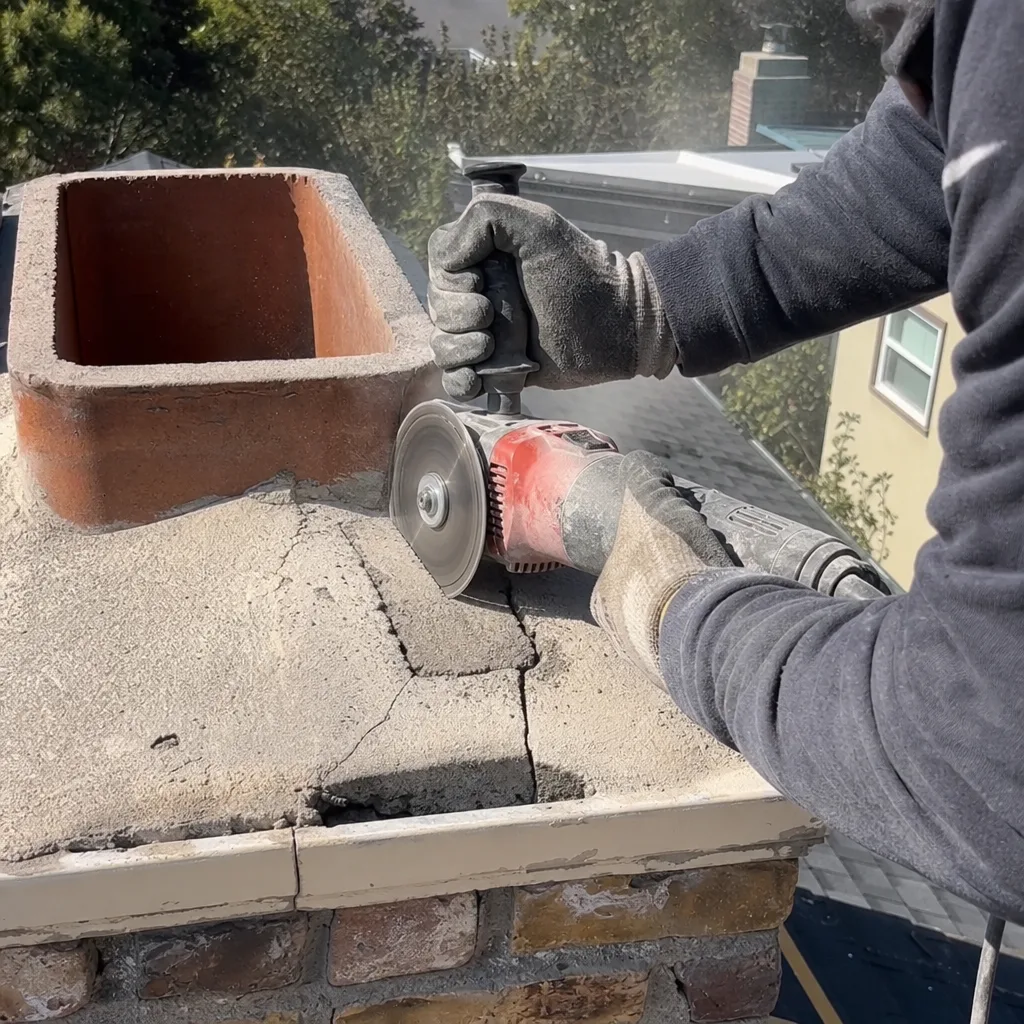
Specific pricing matters. Here’s what San Mateo homeowners should expect for seasonal chimney services, based on our 38,000+ inspections and cleanings since 2009:
| Service | Typical Range | What’s Included |
|---|---|---|
| NFPA 211 Level 2 Inspection with Camera Scan | $249-$349 | Full flue camera documentation, crown moisture reading, written condition report with photos |
| Chimney Sweep (Class I/II Creosote) | $189-$269 | Brush and vacuum cleaning, firebox debris removal, damper cleaning and lubrication |
| Class III Creosote Removal | $450-$750 | Mechanical removal with chain whips or rotary tools, chemical treatment cycle, re-inspection |
| Crown Moisture Sealant Application | $280-$420 | Surface prep, breathable silane/siloxane sealant, 5-year material warranty |
| Cap Replacement (Standard Stainless) | $340-$580 | Custom-fit cap with 5/8-inch mesh, stainless screws, storm collar |
| Firebox Repointing (Minor) | $680-$1,200 | Grind and repoint damaged joints, color-matched mortar, heat-cure protocol |
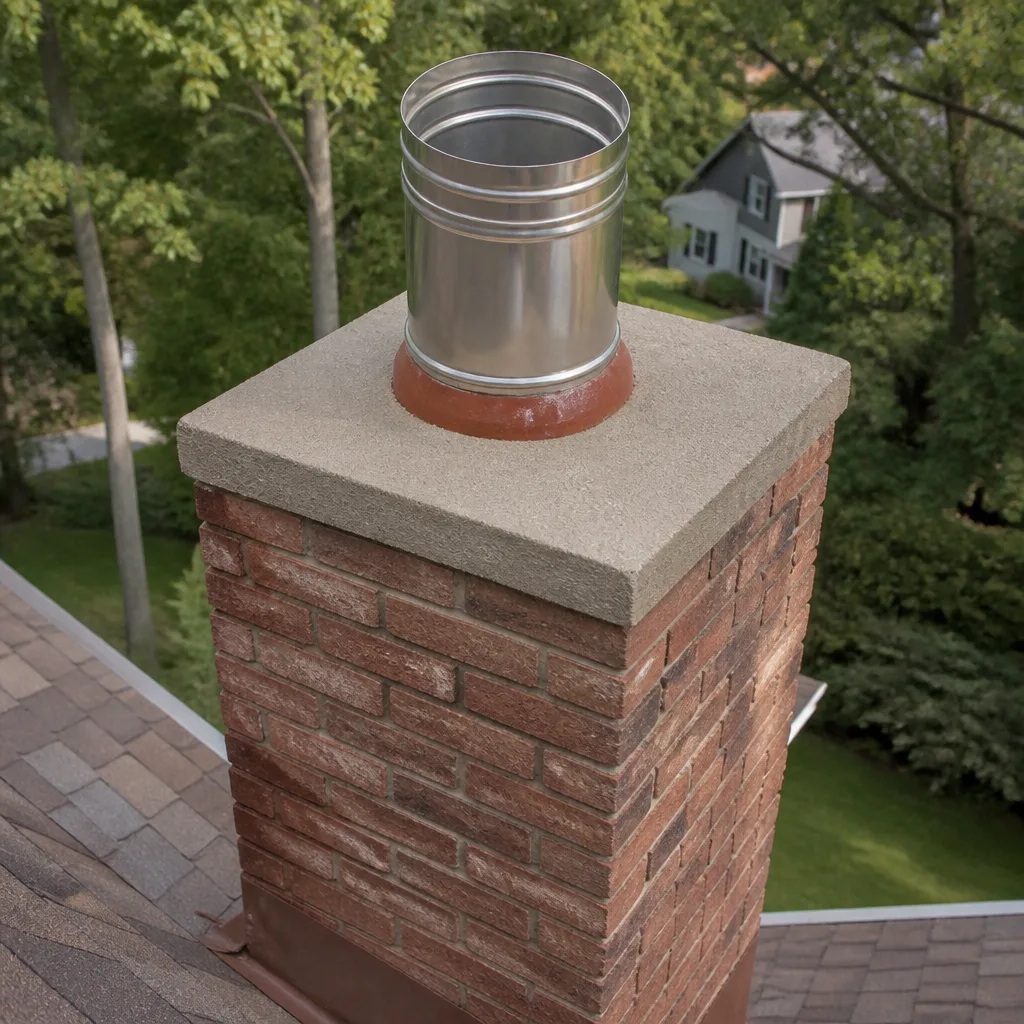
| Full Chimney Liner Installation | $2,800-$4,500 | Stainless steel or aluminum liner, insulation wrap, top plate and connector, permit coordination |
These ranges reflect San Mateo’s market specifically - labor costs, permit fees, and material availability for the Peninsula. We source materials through Haven’s buying network from Famco, Copperfield, and other specified manufacturers to keep customer prices honest. Every job receives a written price before work starts, with no exceptions. Clause 1 of the Haven Standard.
Our Free Second Opinion on any written estimate applies year-round. Bring us a competitor’s written quote for the same scope; we’ll review it against what we find and explain any differences. We’ve seen estimates in San Mateo that specified “chimney repair” without defining whether that meant crown sealing, repointing, or rebuild - a $400 job versus a $4,000 job. Specificity in writing protects you.
Common Mistakes to Avoid
- Waiting for “the burning season” to schedule anything. By October 15, San Mateo sweep companies are booked two to three weeks out. The homeowner who discovers a blocked flue on the first cold night waits longer, burns unsafely, or pays premium rates for emergency scheduling.
- Treating fog as harmless moisture. San Mateo’s marine layer deposits acidic condensate that etches flue liners and degrades mortar. It’s not “just dampness” - it’s chemically active deterioration that accelerates with exposure time.
- Assuming no fire means no maintenance. Gas fireplaces and decorative wood-burning systems that see minimal use still accumulate moisture, debris, and animal nesting. The “we barely use it” chimneys often show the most surprising damage at inspection.
- Accepting verbal estimates for chimney work. Without written scope, written price, and written warranty, you have no documentation for insurance, resale, or dispute resolution. This is not bureaucratic excess; it’s the minimum standard for a four-figure home system repair.
- Ignoring draft problems as “just how this fireplace is.” A fireplace that smokes under some conditions has a correctable problem: flue sizing, house pressure imbalance, chimney height, or blockage. Adaptation (opening a window, burning less) masks a hazard rather than fixing it.
- Skipping post-storm checks after atmospheric rivers. The damage from sustained rainfall often manifests first as interior water staining or efflorescence that a ground-level exterior check misses. Schedule professional inspection after any winter storm season with multiple two-inch-plus rainfall events.
When to Call a Professional
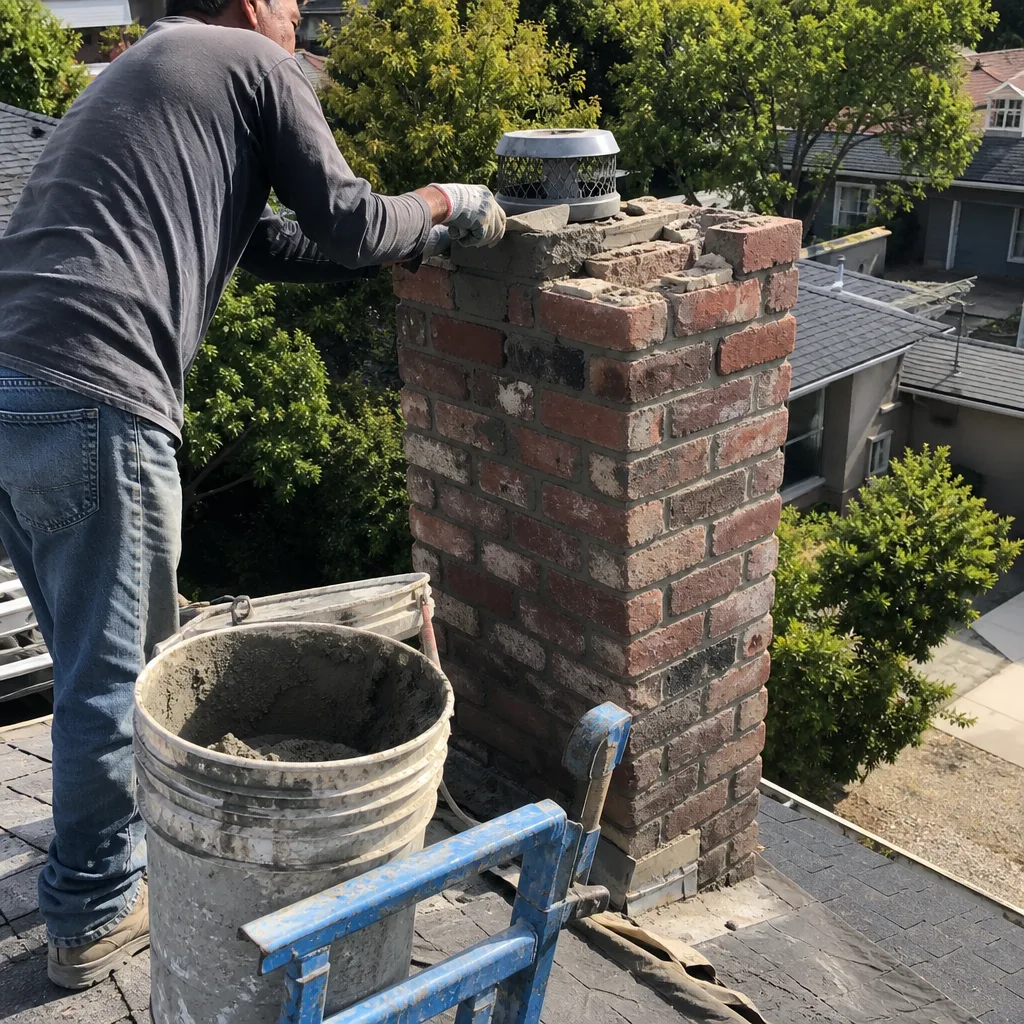
Call for professional inspection when: your firebox shows water staining or dampness after rain; your damper operates with difficulty or visible rust; smoke enters the room during normal burning; your CO detector alarms during fireplace use; you observe spalling brick, missing mortar, or leaning chimney structure from ground level; or it’s been more than twelve months since your last NFPA 211 Level 2 inspection with camera documentation.
Level Two Chimney San Mateo offers free estimates in San Mateo - call (650) 600-3117. Our background-checked, uniformed technicians arrive with license information displayed, a named tech assigned to your appointment, and a text notification when en route. Every inspection includes the camera scan and documented photo record that became Clause 4 of the Haven Standard in 2009.
Frequently Asked Questions
A standard chimney sweep in San Mateo typically costs $189-$269 for Class I or II creosote removal, which covers most annual maintenance. Class III glazed creosote, mechanical removal, or chemical treatment runs $450-$750. We provide a written price before any work starts, with no exceptions. Call (650) 600-3117 for an exact quote - estimates are free.
Most San Mateo fireplaces need annual sweeping if used regularly during burning season. However, homes in fog-prone areas like Shoreview or Marina Lagoon, or those burning unseasoned wood, may need bi-annual service during wet El Niño cycles. The NFPA 211 standard requires annual inspection; sweeping frequency depends on creosote accumulation rate, which we measure during camera inspection.
You need a new liner when camera inspection shows cracks, gaps, or deterioration that allows combustion gases to reach combustible framing - not when someone says you “probably should.” We show you the camera footage. If the liner is sound but shows surface etching, HeatShield cerfractory resurfacing may restore it at lower cost. Nothing is recommended without photo evidence you can see yourself, and we plainly state when work can safely wait.
Skipped maintenance produces three cumulative risks: creosote buildup increases chimney fire probability (Class III creosote ignites at approximately 451°F, lower than paper); moisture intrusion degrades liner and masonry, eventually requiring rebuild rather than repair; and blocked or damaged flues cause carbon monoxide backup into living spaces. The cost of deferred maintenance typically exceeds preventive care by three to five times when failure occurs.
No, unless your fireplace is EPA-certified or you have a documented exemption for sole-source heating. The BAAQMD issues alerts November through February; violations start at $100. We provide “burn-ready” documentation with your fall sweep that identifies your system’s regulatory status. Check baaqmd.gov for daily forecasts, or sign up for AirAlerts.
Level 1 is a visual inspection of accessible components from the hearth and roof, appropriate for annual maintenance of systems with no changes or known problems. Level 2 includes a camera scan of the full flue interior, accessible portions of the attic and basement, and documentation of all findings - required for real estate transactions, after chimney fire or lightning strike, or when any system modification occurs. Level Two Chimney San Mateo performs Level 2 as our default because flashlight inspection misses what camera documentation reveals.
The Bottom Line
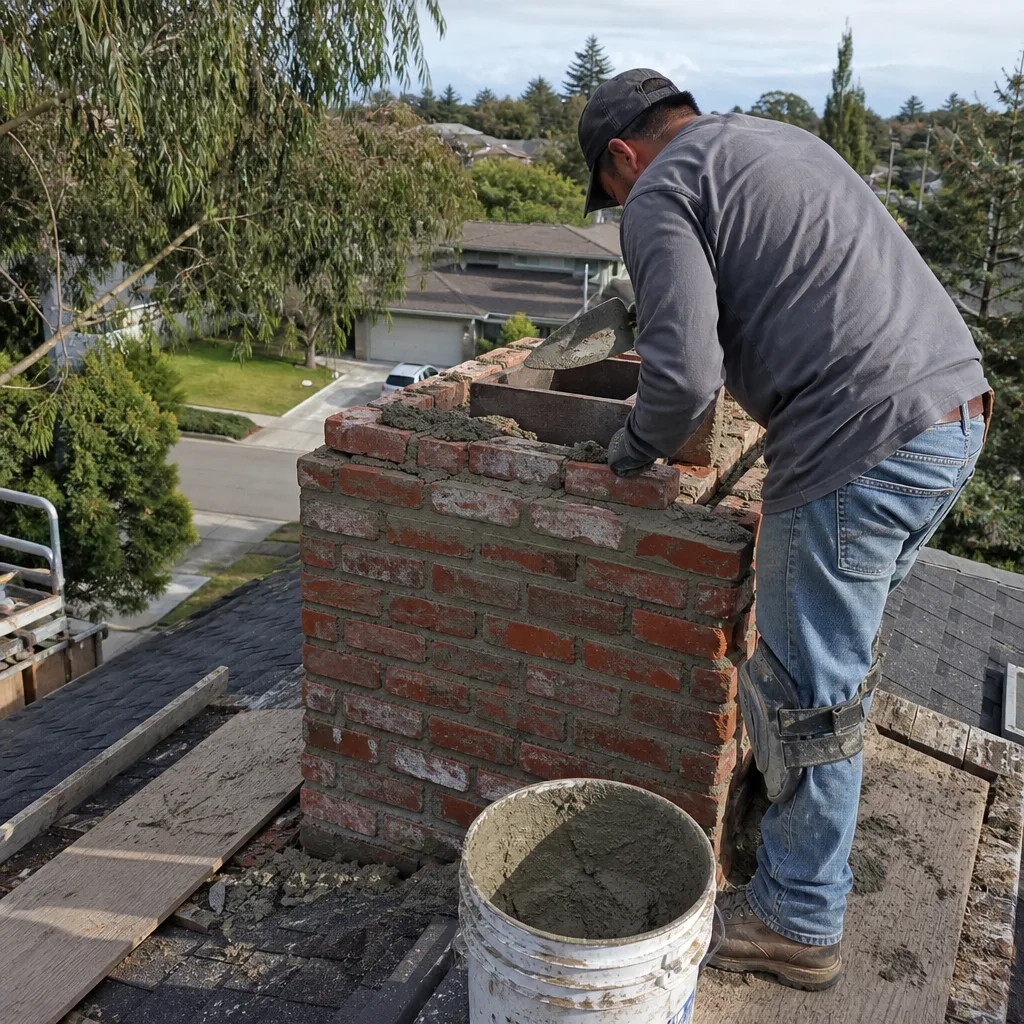
San Mateo’s marine climate demands a chimney maintenance calendar that diverges from national advice. Spring fog reveals winter damage. Summer dormancy creates cap and screening vulnerabilities. Fall preparation must account for Spare-the-Air restrictions. Winter atmospheric rivers test draft performance and moisture intrusion resistance. And Pacific climate cycles shift the entire schedule between annual and bi-annual service needs. The homeowners who protect their systems follow this Peninsula-specific rhythm rather than the generic “clean before winter” script - see our more guides & resources for year-round chimney care. Document what you find, address it in season, and never defer maintenance based on how little you use the fireplace - moisture and time damage idle chimneys too.
Written by Corrine Halstead, Owner at Level Two Chimney San Mateo, serving San Mateo since 2009.