
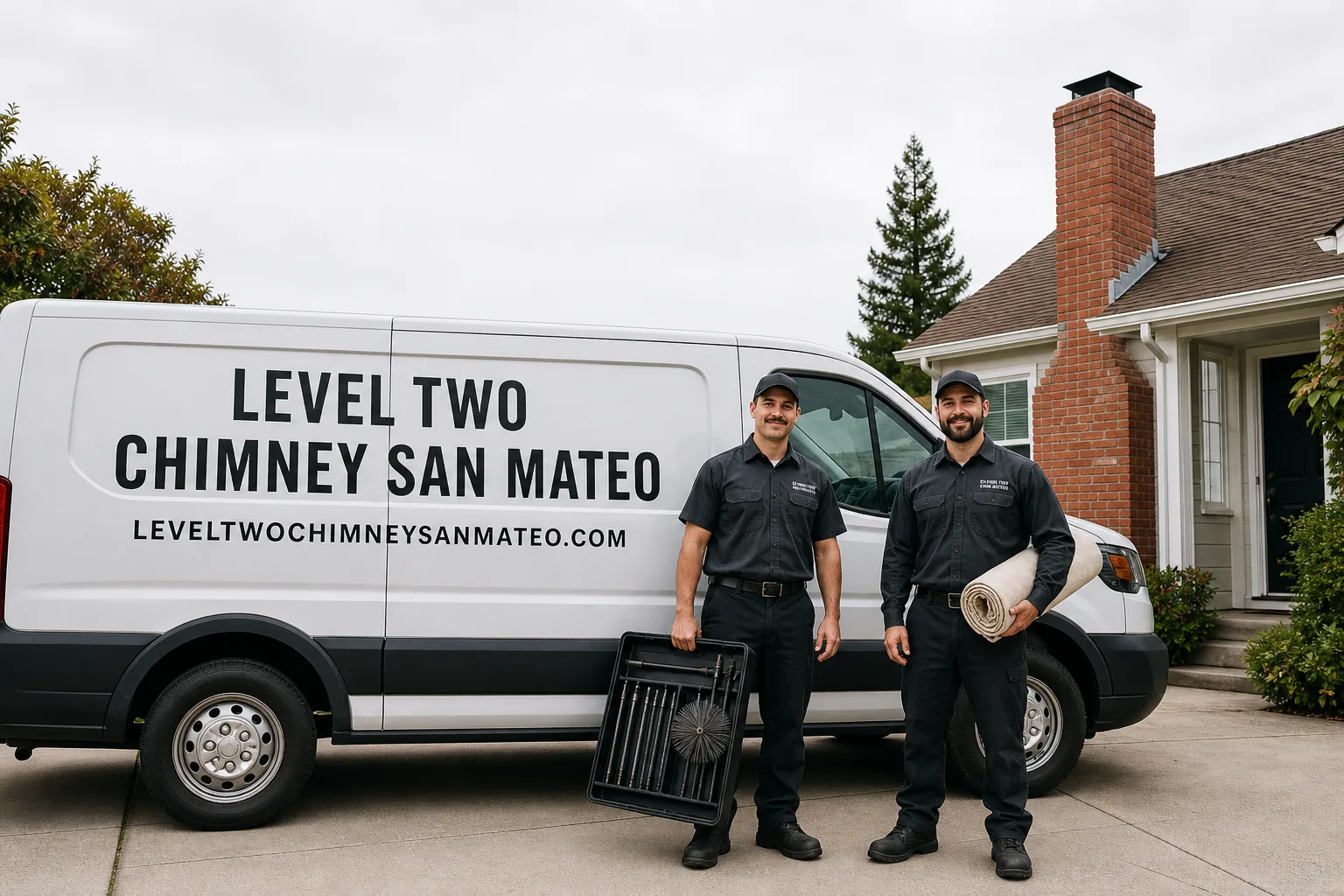
Level 1 sweep and inspection to the NFPA 211 annual standard - flue, crown, cap, and flashing checked and photographed
Chimney sweep logs do not sweep chimneys. They loosen some creosote - which then falls where a brush and vacuum still have to collect it.
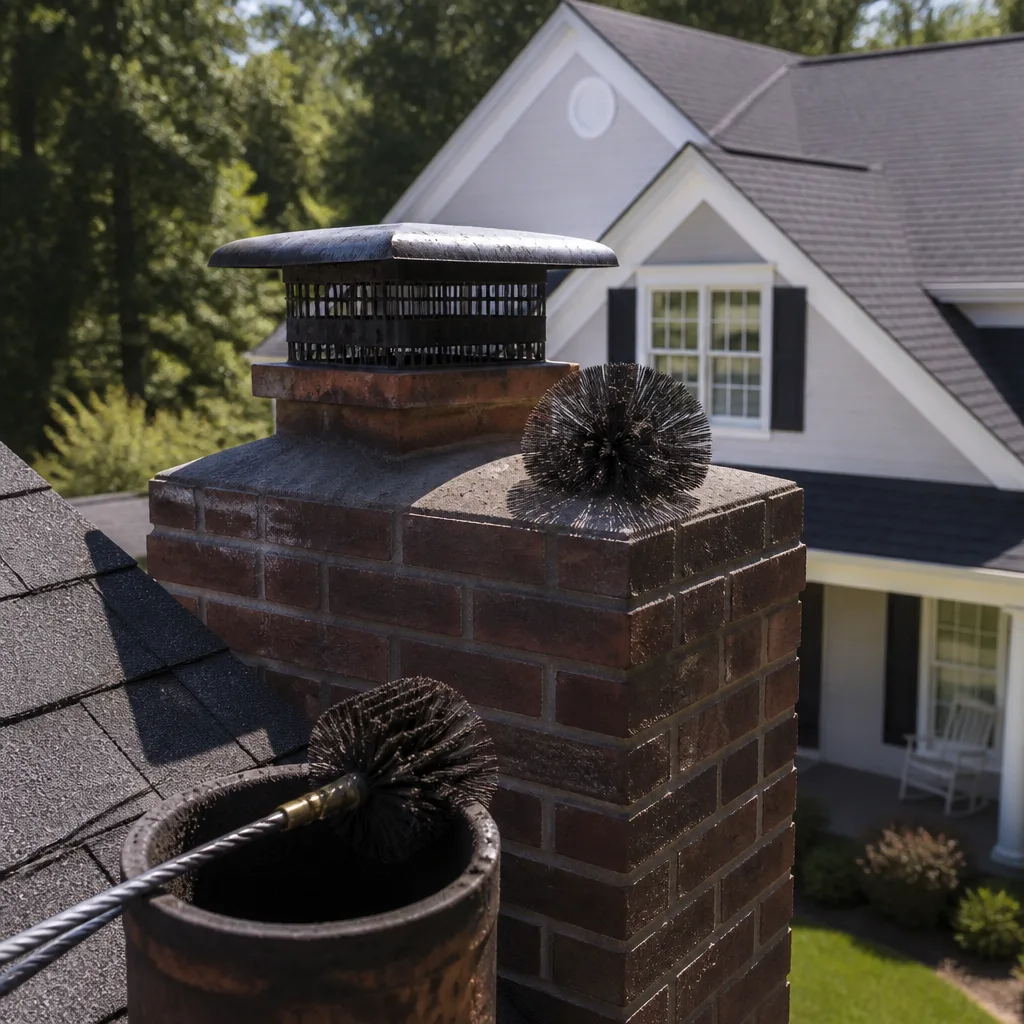
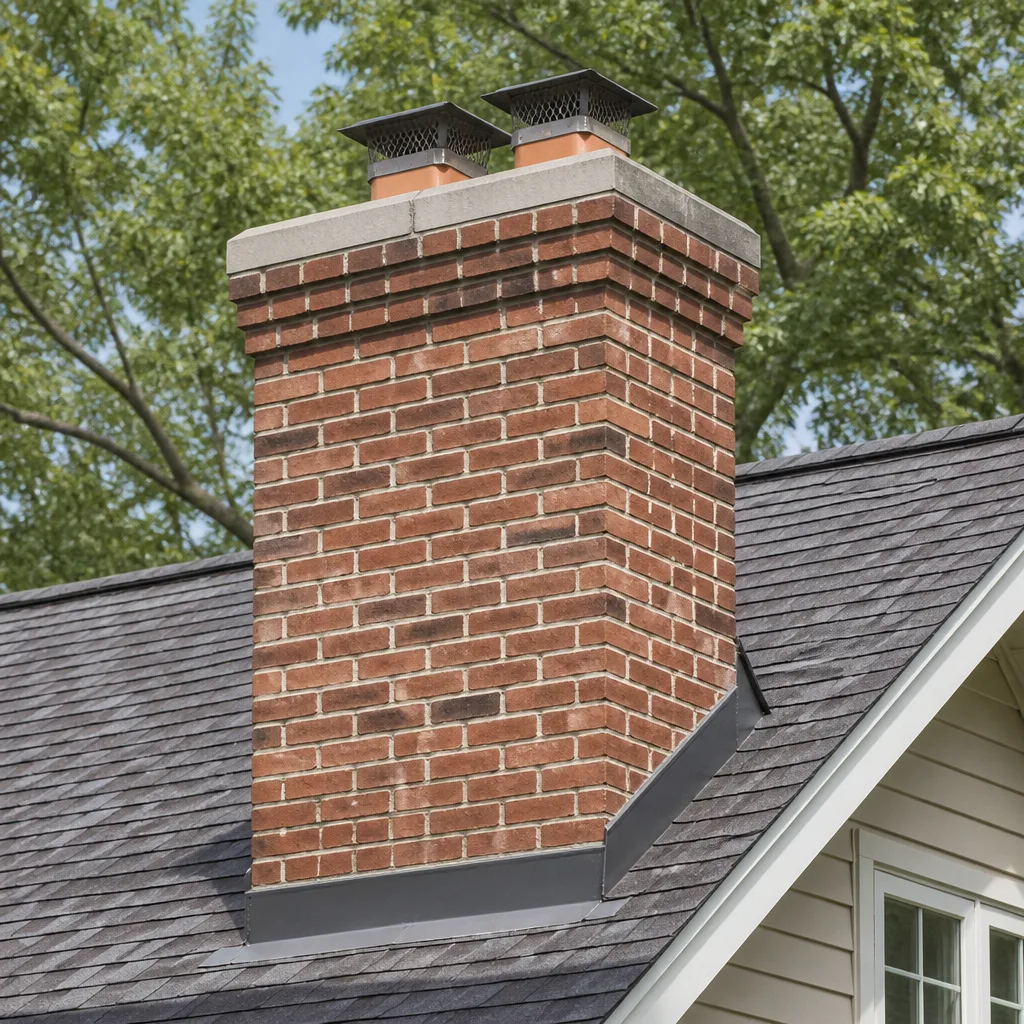
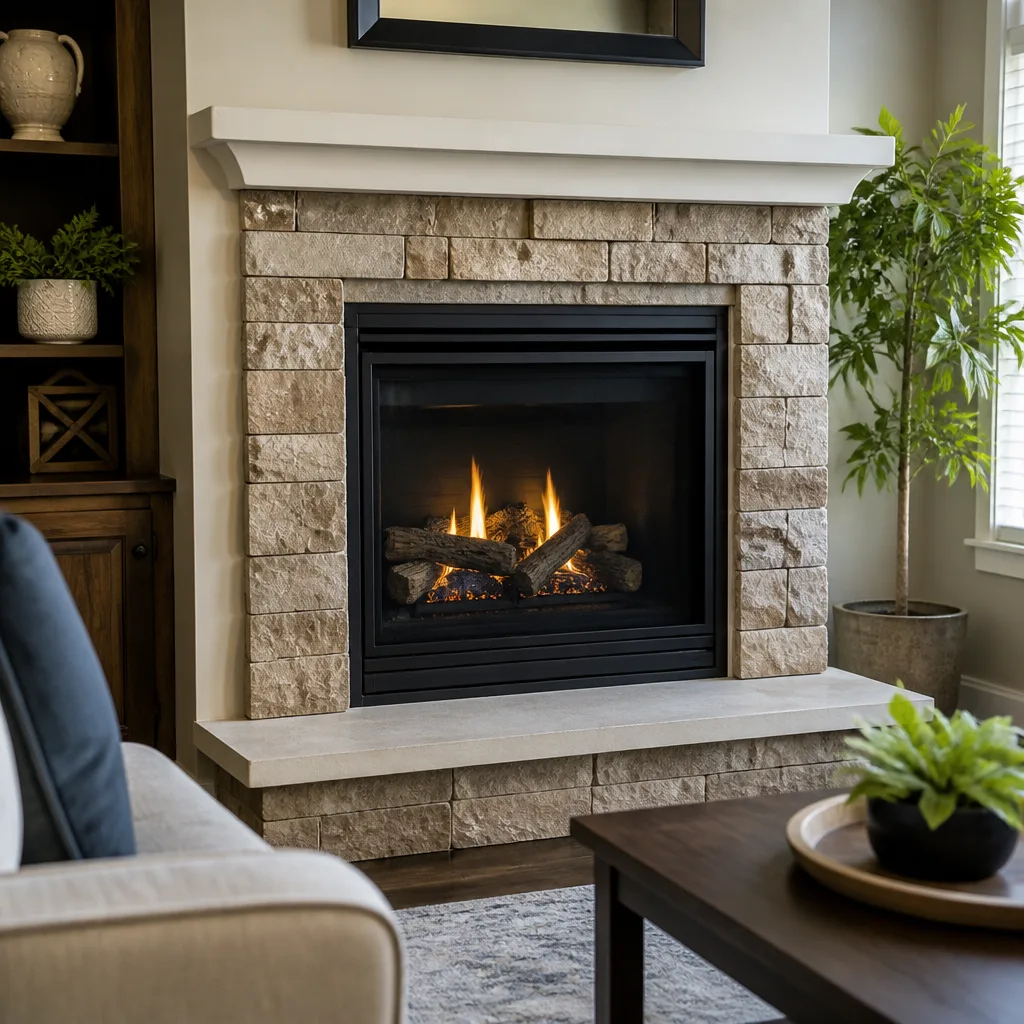
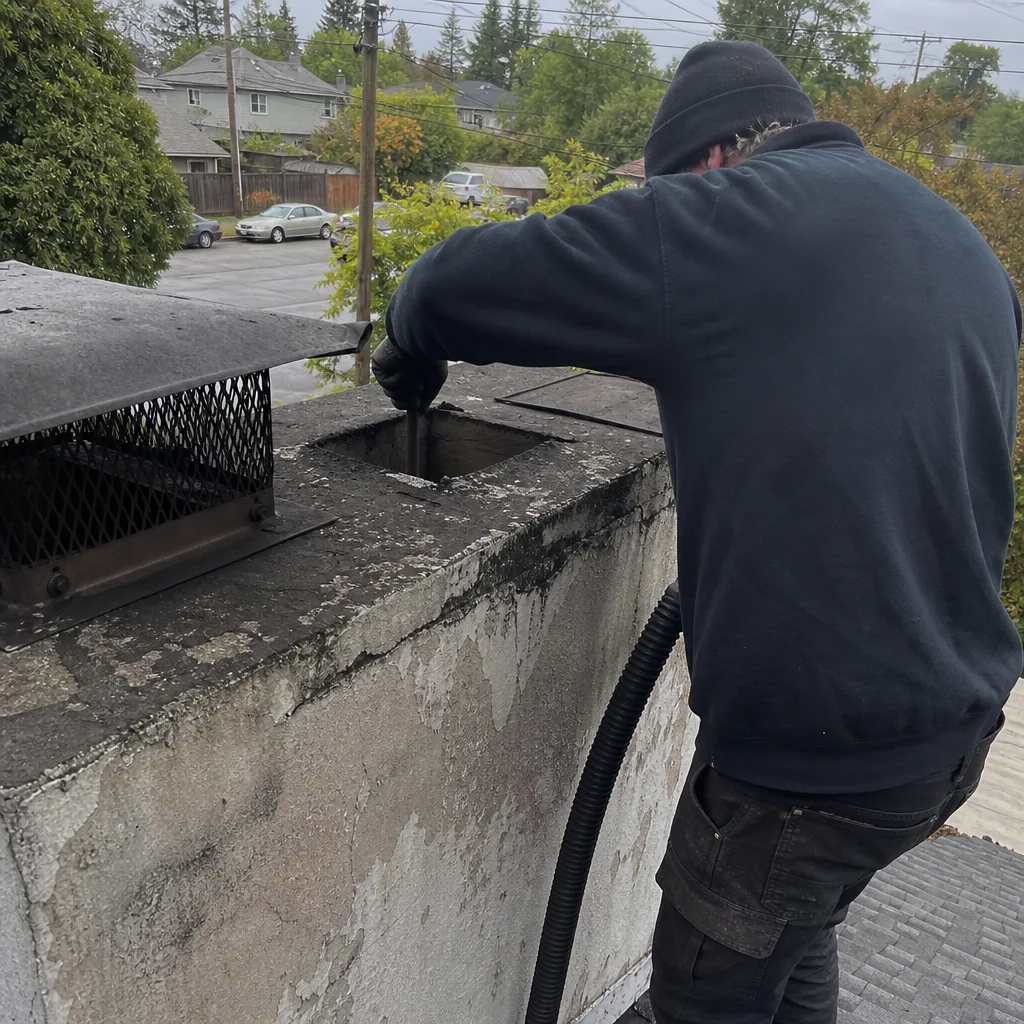 Before
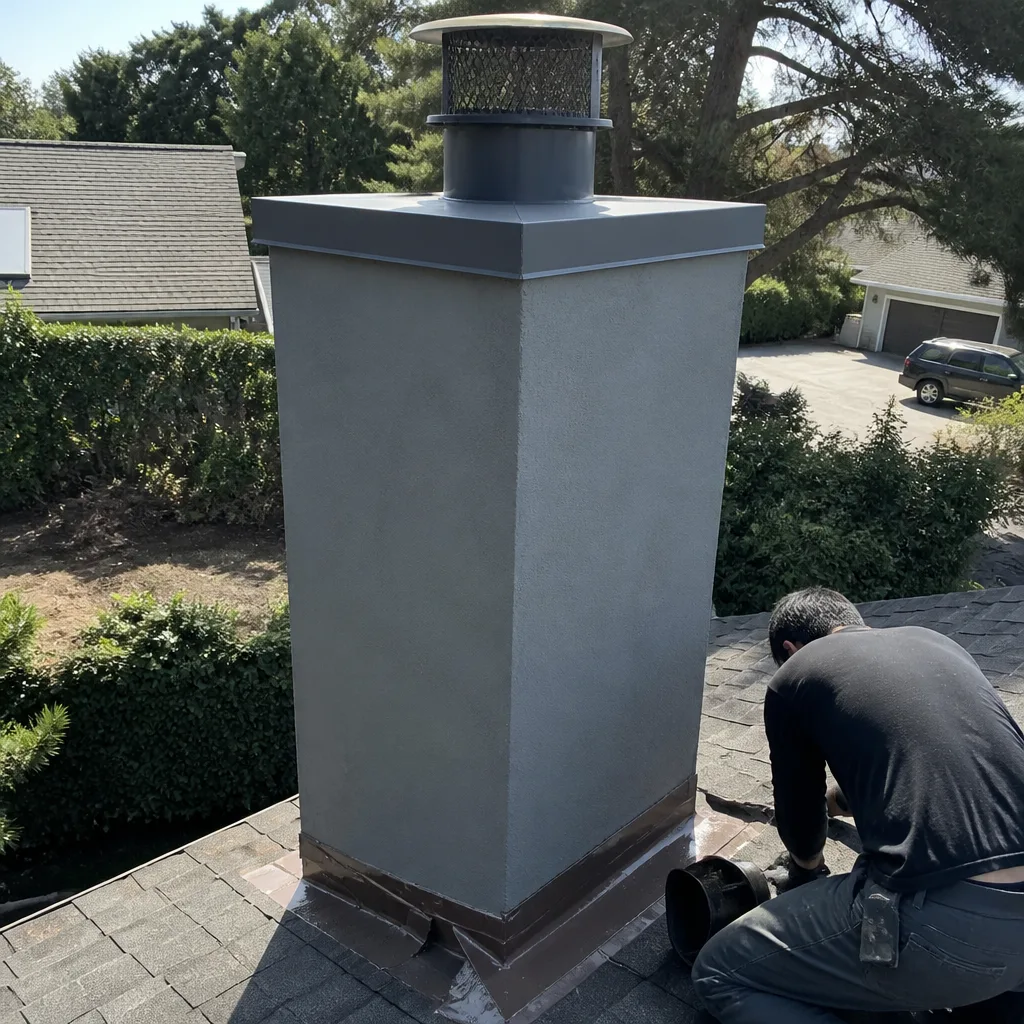 After
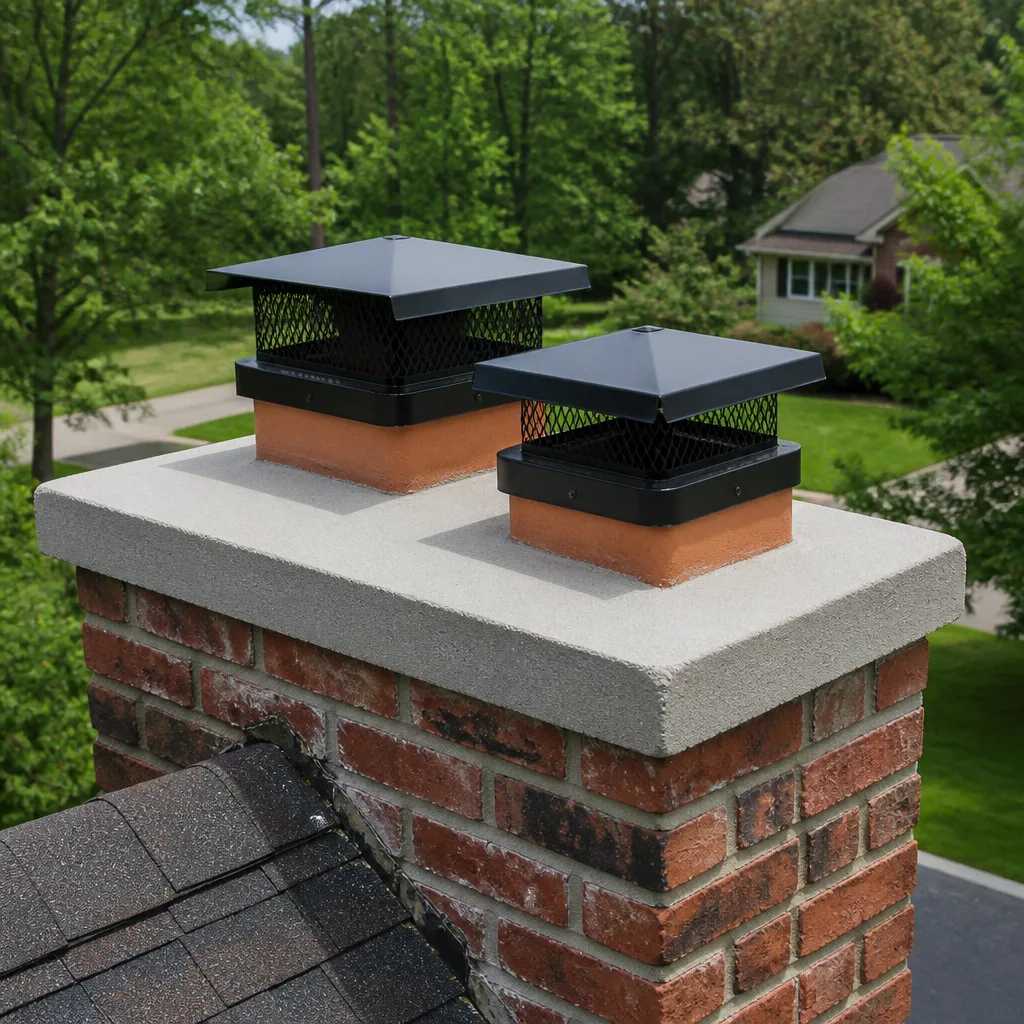
After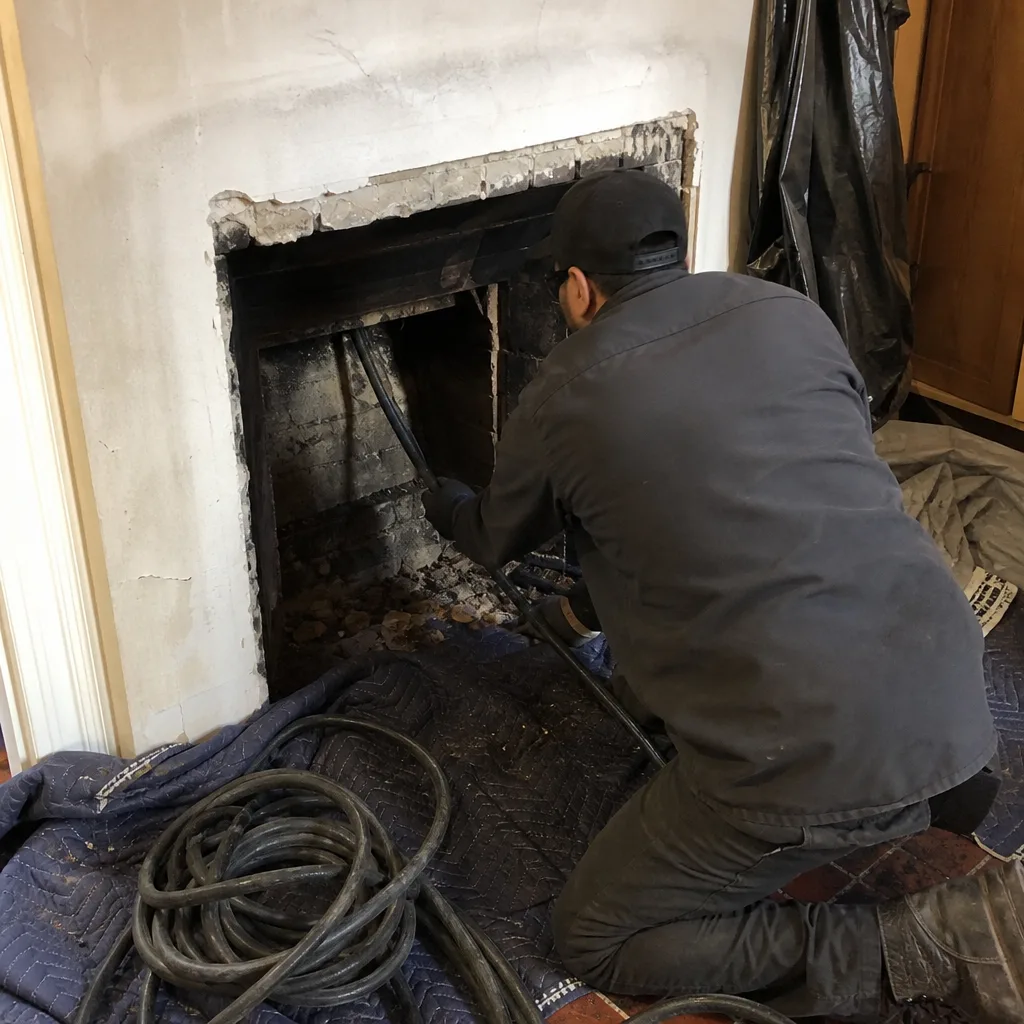 Before
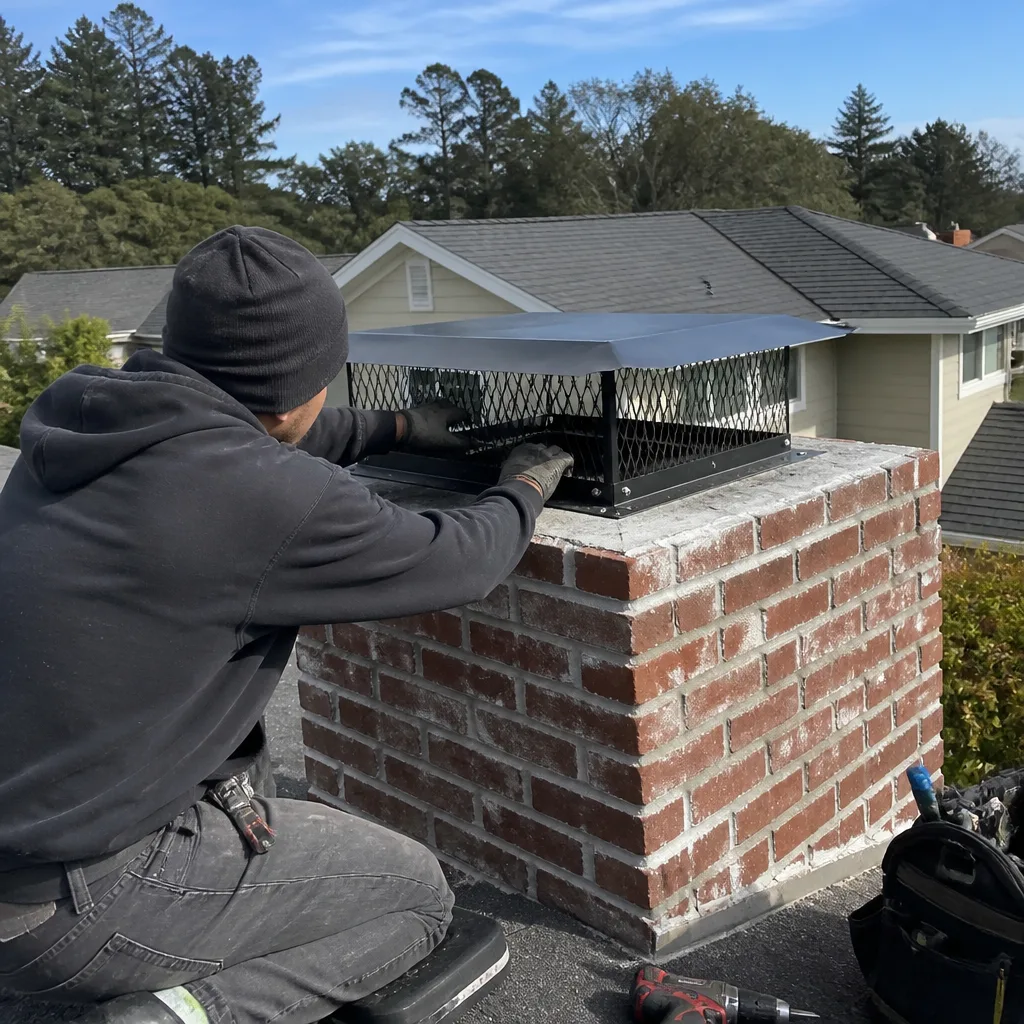 After
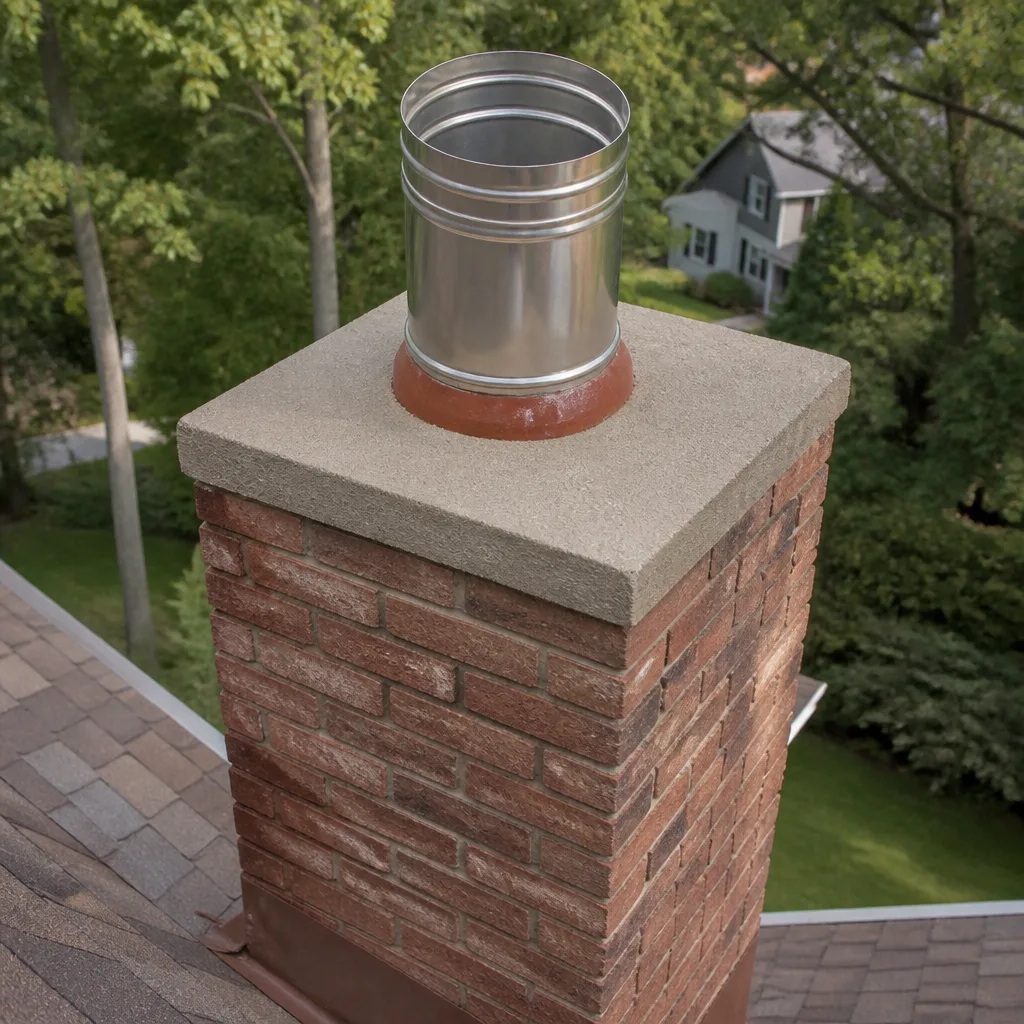
After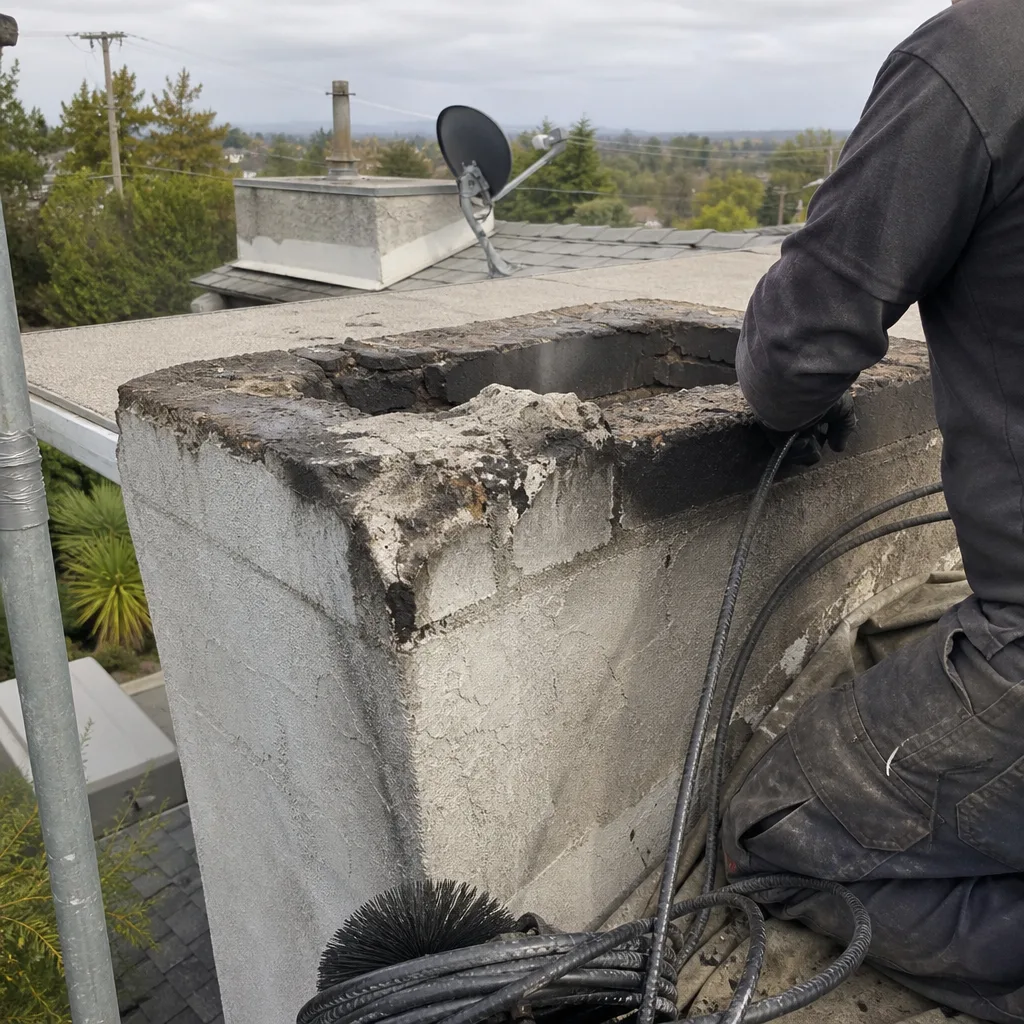 Before
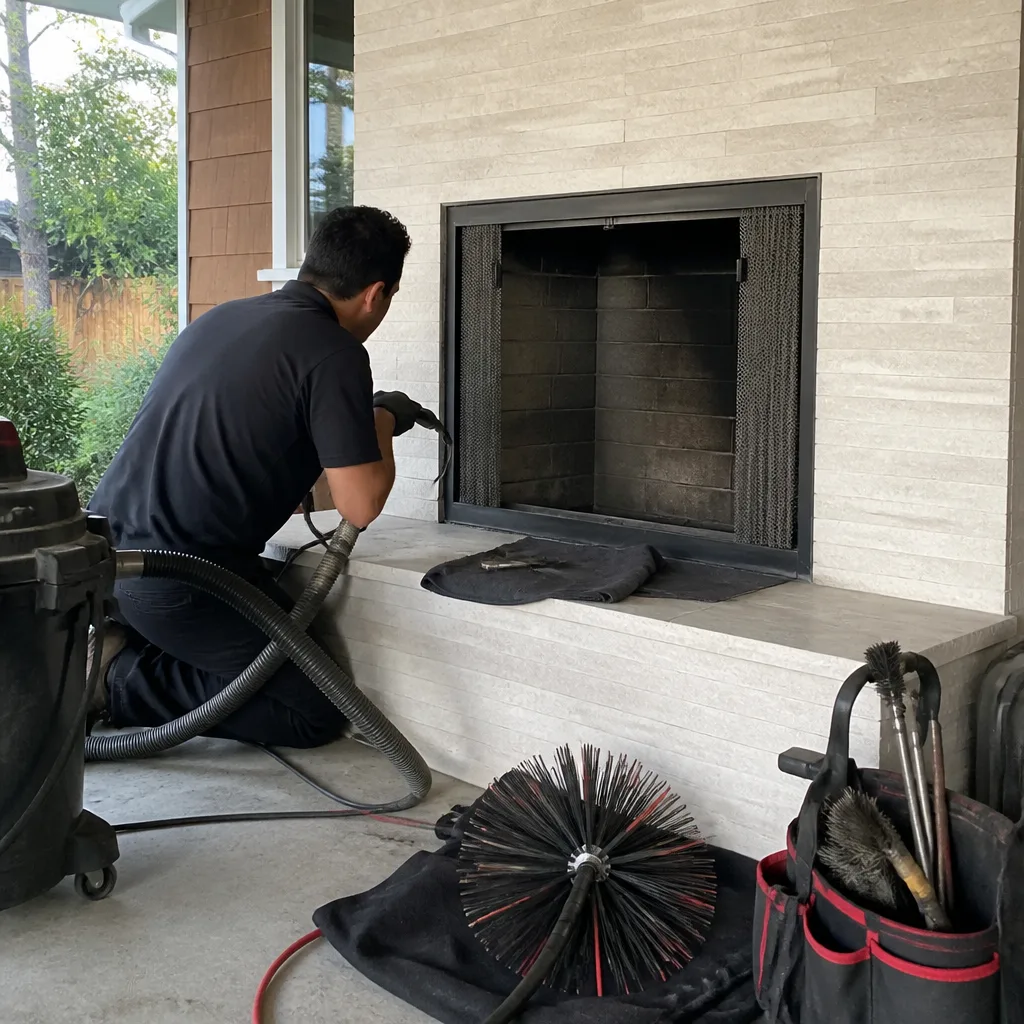 After
AfterFast, Reliable Chimney Cleaning & Sweep Across Brisbane
A professional chimney sweep in Brisbane, CA typically runs $180-$320 for a standard cleaning with Level 1 inspection, while a full Level 2 camera inspection runs $320-$480. Most Brisbane appointments are scheduled within 3-5 business days, with dispatch coordinated from our Los Angeles office and crews serving the Peninsula locally. Call (650) 600-3117 for a written estimate before any work starts.
We know Brisbane’s hillside streets well. The post-WWII bungalows and ranch homes climbing above Visitacion Valley, the fog that rolls through the gap by San Bruno Mountain even when San Mateo is sunny, the original brick chimneys that have never been upgraded - our Chimney Cleaning & Sweep team has worked them since 2009. That local knowledge changes what we find and how we fix it.
Why Level Two Chimney San Mateo Is Brisbane’s Preferred Chimney Cleaning & Sweep Company
We’ve completed more than 38,000 chimney inspections and cleanings since 2009, and a significant share of those have been in Brisbane and the immediate bayside corridor. Our Brisbane Fireplace Services customers tend to be exacting - they read the three-star reviews, they ask about camera documentation, they want the price in writing before anyone steps through their door. That matches how we work.
Our Brisbane customers specifically mention the photo records we provide. Clause 4 of the Haven Standard requires a documented photo record on every job - not an optional add-on, not a flashlight glance. When you’re staring at a cracked flue tile or third-degree creosote glazing, you want to see it, not take someone’s word.
Response time to Brisbane is typically 3-5 business days for standard sweeps, with live phone support 24/7 to schedule. We text when your technician is en route, and every tech is background-checked, uniformed, and arrives with license information visible. No anonymous crews.
The 365-Day Done Right Promise applies here exactly as everywhere else: if it’s not done right, we make it right. And our Free Second Opinion on any competitor’s written estimate means Brisbane homeowners can verify what they’ve been told before spending a dollar.
Our Chimney Cleaning & Sweep Services in Brisbane
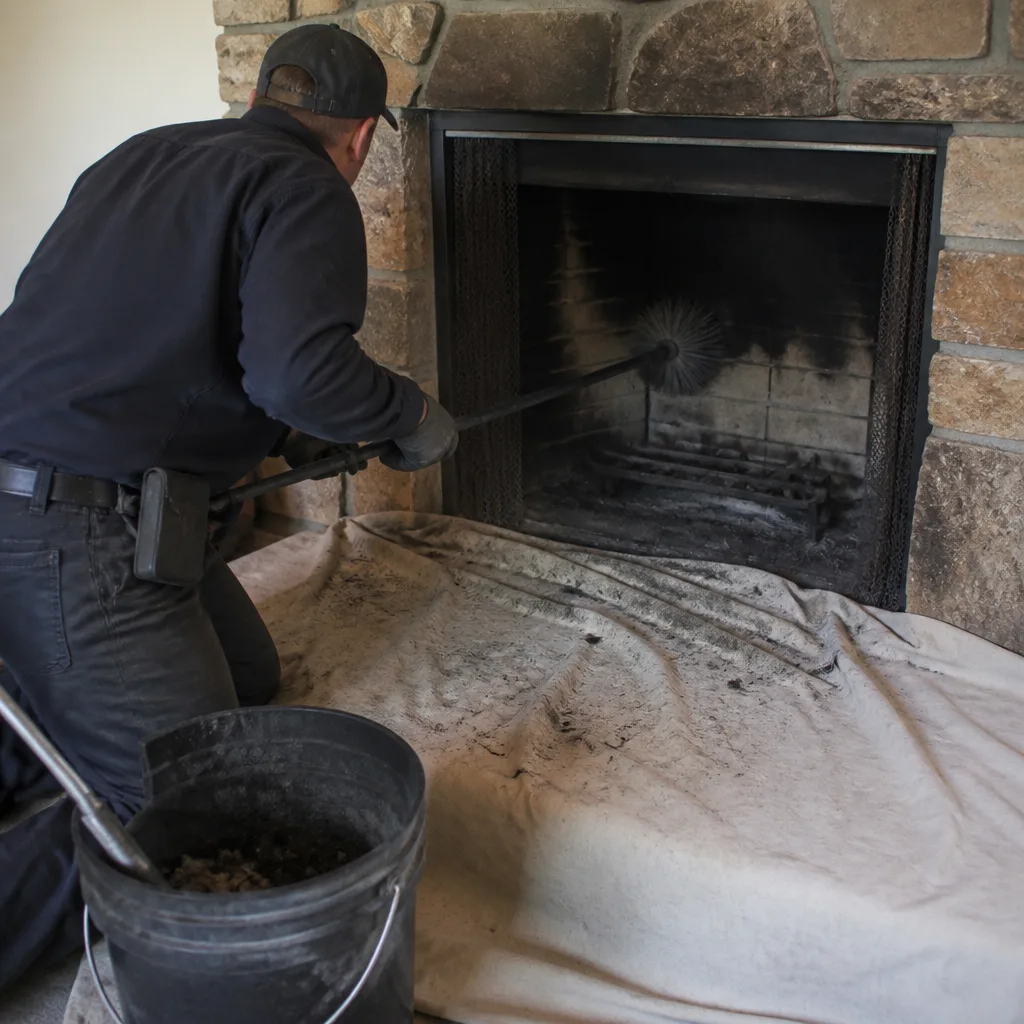
Level 1 Inspection
A Level 1 inspection is the baseline for every Brisbane chimney, required annually by NFPA 211 whether you burn regularly or not. We examine readily accessible portions of the chimney exterior, interior, and connecting appliance - checking for obstructions, creosote buildup, and basic structural soundness. In Brisbane, this inspection often reveals what the fog has been doing all summer: dampers rusted partly open, fireboxes with efflorescence blooming on the rear wall, or that faint musty smell that means mold has taken hold in the flue. We document everything in writing and with photos before recommending any sweep or repair.
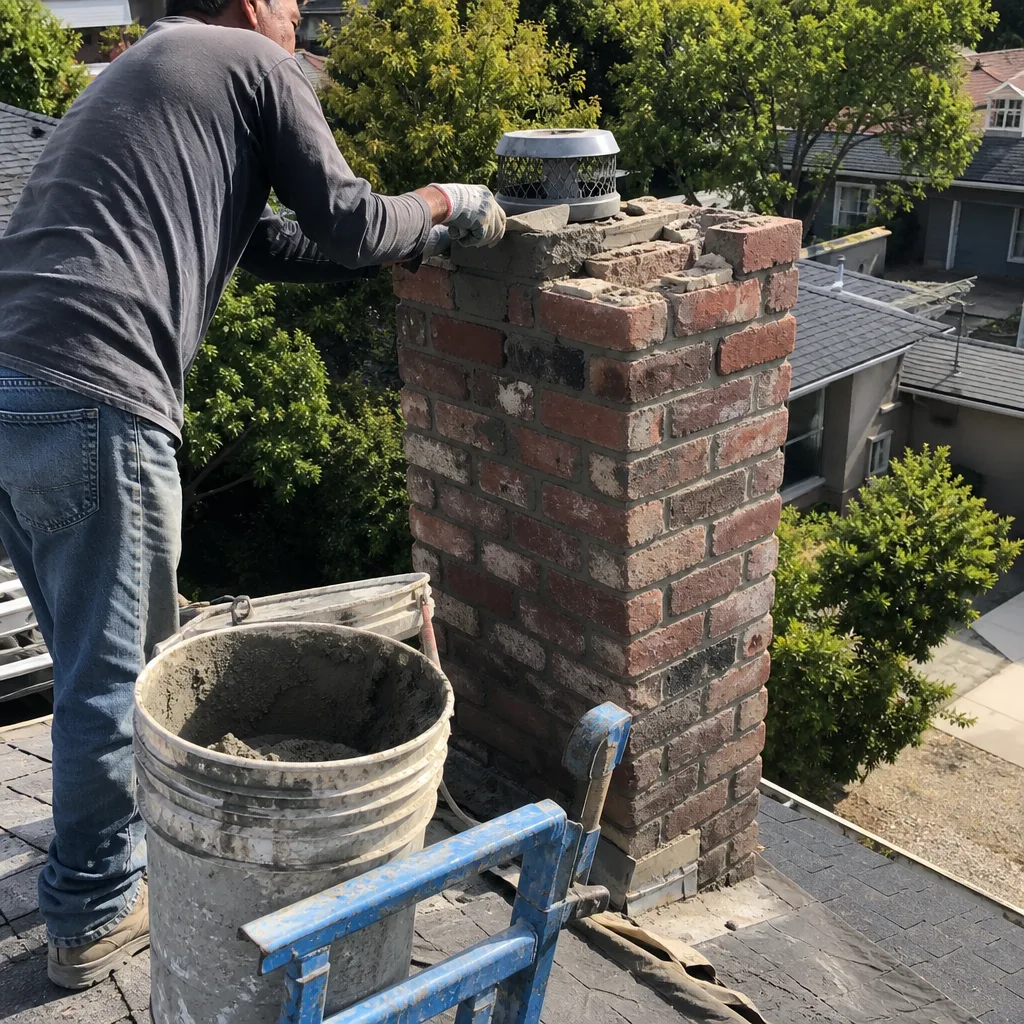
Level 2 Inspection
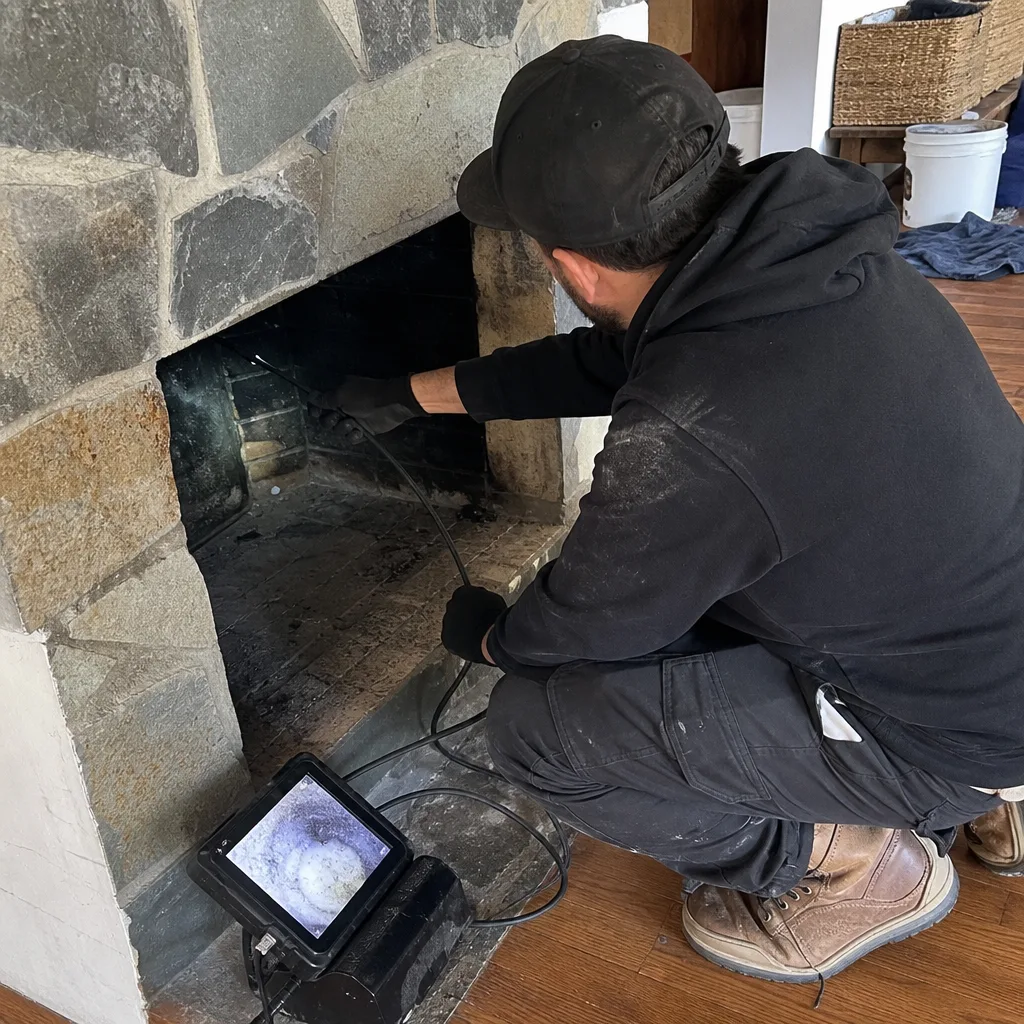
Level 2 is where our camera goes down the flue. Required when a property changes hands, after a chimney fire or earthquake, or when you’re modifying an appliance - and strongly recommended for Brisbane’s hillside homes with original post-WWII masonry. The steep terrain here forces unusual chimney angles, and salt-laden bay air has been working on mortar joints for 60-70 years. Our camera finds cracked clay flue tiles, gaps between tile sections, and spalled brick that a Level 1 simply cannot see. The documented photo record becomes part of your property file under Haven Standard Clause 4. For Brisbane homes with original construction, we typically recommend a Level 2 every 3-5 years even without a triggering event.
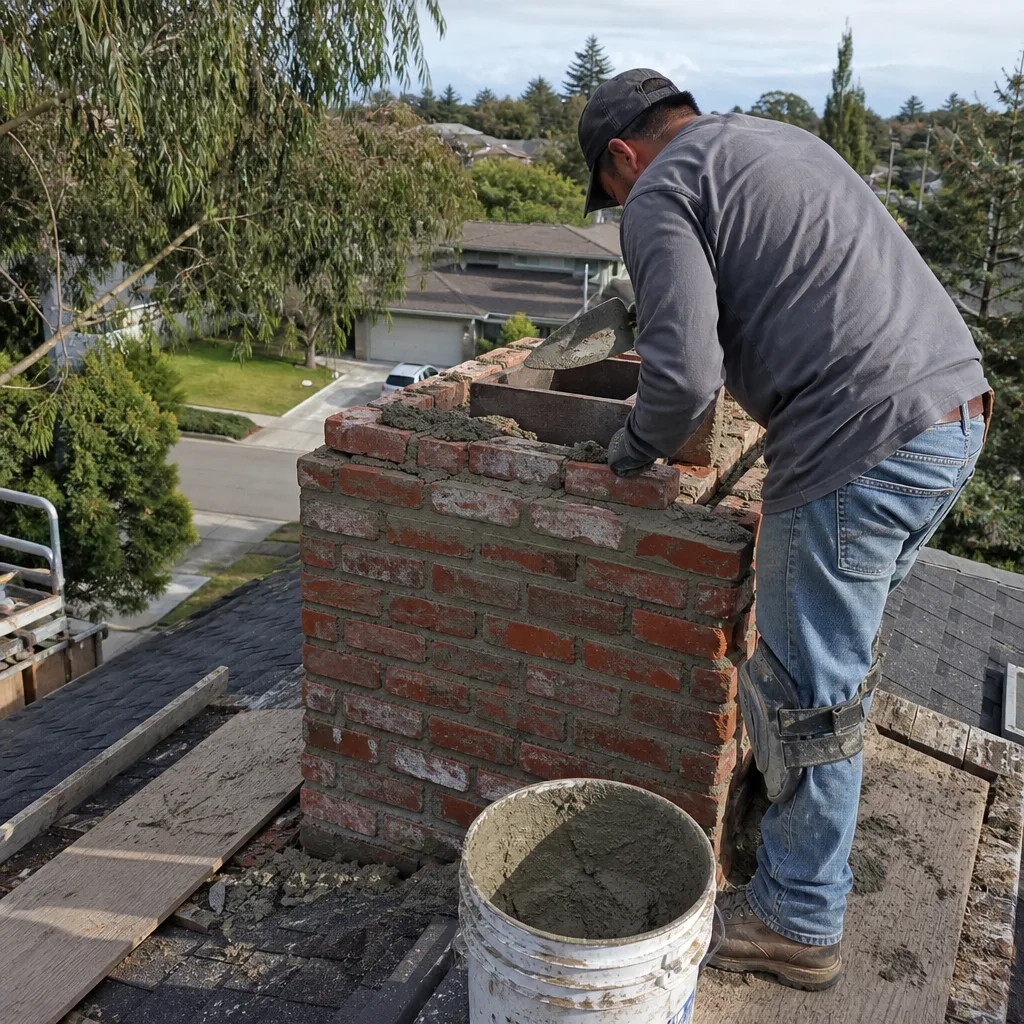
Creosote Removal
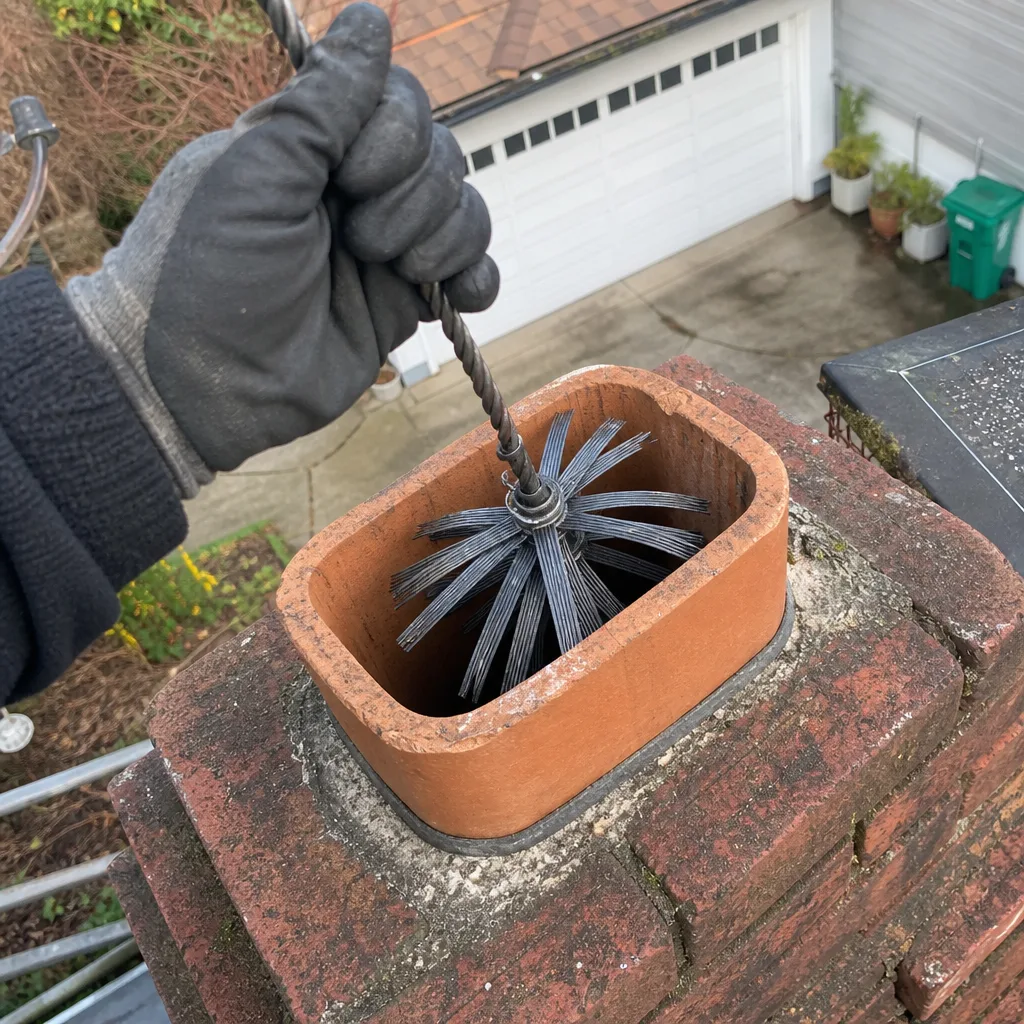
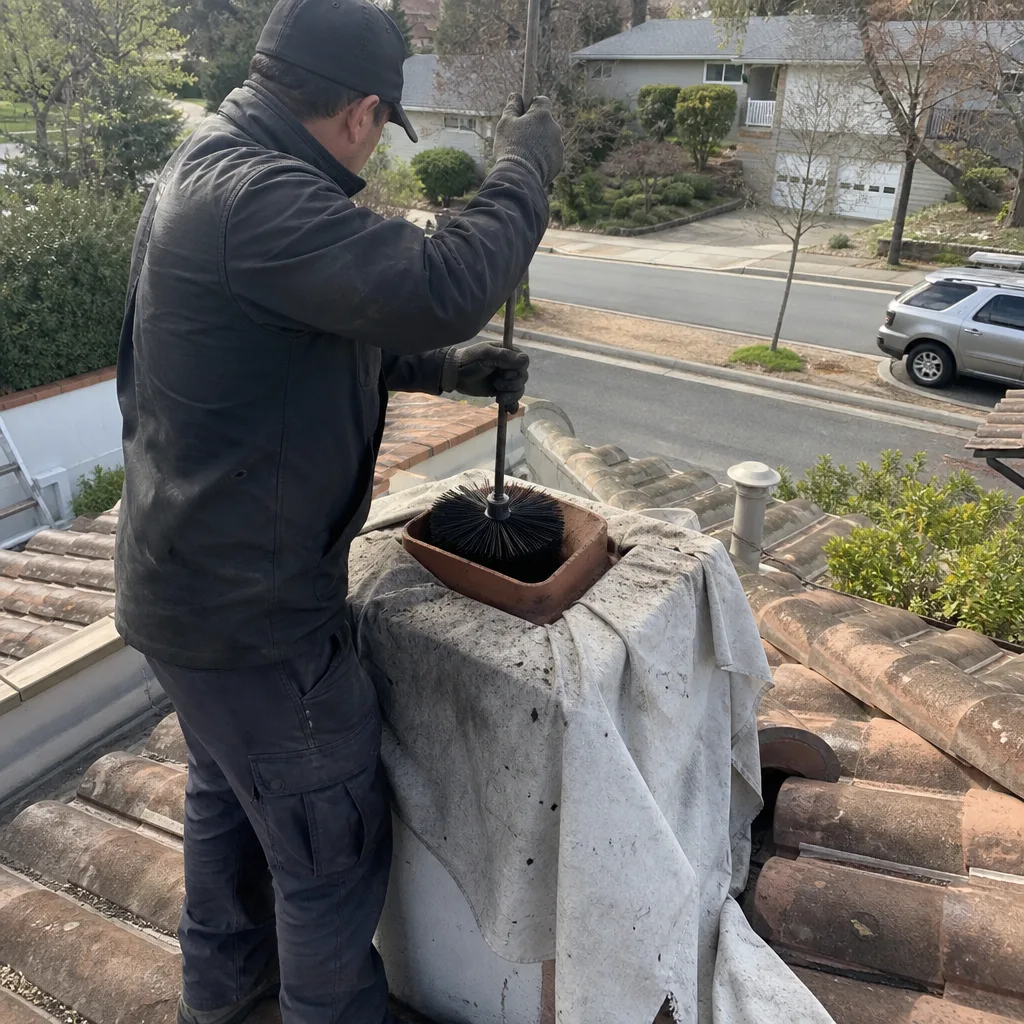
This is where Brisbane’s microclimate makes us work harder. That fog-funneled pocket between San Bruno Mountain and the Bay keeps chimneys damp enough that flues left idle in summer grow mold and invite swifts or starlings to nest in deteriorated clay tile joints - a combination our techs almost never see in sunnier San Mateo County cities a few miles south. The moisture also keeps third-degree creosote soft and sticky, so brushing alone won’t remove it. We match the removal method to the creosote class: poly brushes for first-degree soot, mechanical whips for second-degree flakes, and rotary cleaning with specialized chains for third-degree glazed tar. On a hillside street above Visitacion Valley, our tech pulled a Level 1 inspection on a 1950s ranch home whose original brick chimney had never been upgraded. We found third-degree creosote glazing the flue liner and a starling nest wedged in a spalled clay tile joint, then swept with poly brushes and applied HeatShield to restore the smoke chamber. The homeowner switched to burning seasoned hardwood and now schedules an annual sweep before the September burn season, which has kept creosote at first-degree.
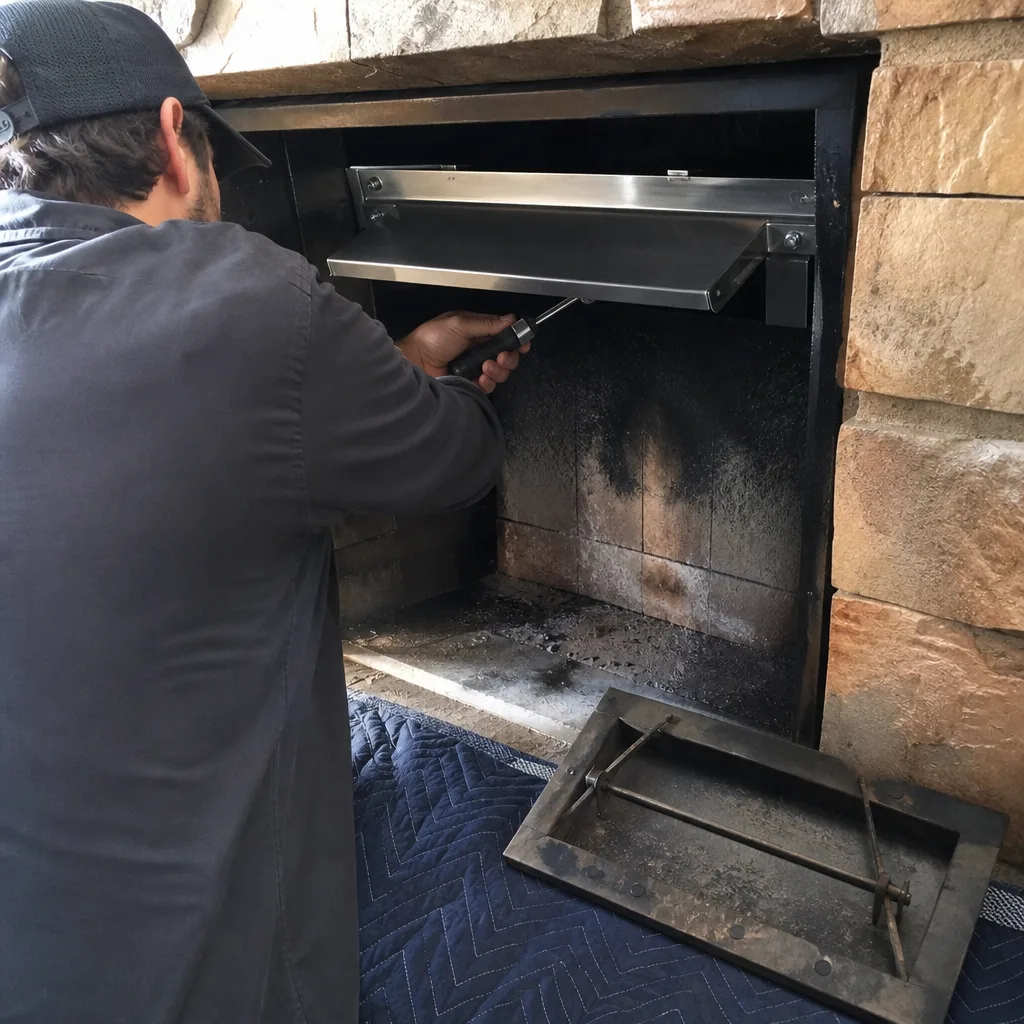
Soot Removal
First-degree creosote - dry, powdery soot - is what you want to find. In Brisbane, we see more of it when homeowners burn properly seasoned hardwood and keep fires hot enough for complete combustion. But even light soot accumulates, and in this damp climate it can compact into a harder layer if left through a foggy summer. Our standard sweep removes all soot and loose debris from the firebox, smoke chamber, and flue liner, with a vacuum system that keeps your home clean. We finish with a draft test and written condition report. For Chimney Cleaning & Sweep in Brisbane homeowners who burn regularly, annual soot removal is the cheapest maintenance you’ll do.
What happens when you call
- 1
A real person answersNo phone trees - you reach a local pro.
- 2
You get an upfront price rangeHonest numbers before anyone is dispatched.
- 3
A background-checked tech heads outLicensed & insured, dispatched right away.
- 4
You approve before work beginsNothing starts until you say go.
 Before
 After
AfterTrusted Brands We Service in Brisbane
We source materials through Haven’s buying network to keep customer prices honest - DuraFlex stainless steel liners for relining jobs, HeatShield cerfractory sealant for smoke chamber restoration, and Copperfield chimney caps and chase covers for weather protection. These aren’t generic equivalents; they’re the spec-grade products we specify in our written scopes. For Brisbane’s salt-air environment, we typically recommend Copperfield’s stainless hardware over galvanized, and we stock common sizes to avoid delays on repair jobs. Famco dampers and replacement parts are also available for the older fireplace models common in post-WWII Brisbane homes.
Common Chimney Cleaning & Sweep Problems We See in Brisbane Homes
- Third-degree creosote worsened by persistent fog. Brisbane’s damp microclimate keeps tar glaze soft and sticky, so brushing alone won’t remove it and the next fire can ignite a chimney fire. We see this most in homes that burn softwood or keep fires smoldering overnight.
- Cracked clay flue tiles from salt-laden bay air. Original flue tiles in post-WWII hillside bungalows crack from repeated moisture cycling; a missed Level 2 inspection means a cracked tile goes unnoticed until smoke or carbon monoxide backs into the living space.
- Mold and bird nesting in summer-idle flues. Long summer idle periods with the damper closed trap fog moisture inside the flue, growing mold and drawing swifts or starlings into deteriorated joints - a problem that doesn’t happen in drier, sunnier Peninsula cities.
- Efflorescence and spalling on exterior masonry. The sustained dampness from San Bruno Mountain’s fog channel keeps masonry chronically moist, accelerating efflorescence (white mineral deposits), spalling (flaking brick faces), and creosote absorption into porous brick in ways dryer Peninsula cities do not see.
Pricing for Chimney Cleaning & Sweep in Brisbane, CA
Here’s what Brisbane homeowners can expect, with a written price delivered before any work starts:
| Service | Typical Range in Brisbane |
|---|---|
| Annual sweep with Level 1 inspection | $180-$280 |
| Level 2 camera inspection (no sweep) | $320-$480 |
| Level 2 with sweep included | $420-$580 |
| Third-degree creosote removal (rotary cleaning) | $280-$420 additional |
| Smoke chamber restoration with HeatShield | $850-$1,400 |
| Stainless liner installation (DuraFlex) | $2,800-$4,500 |
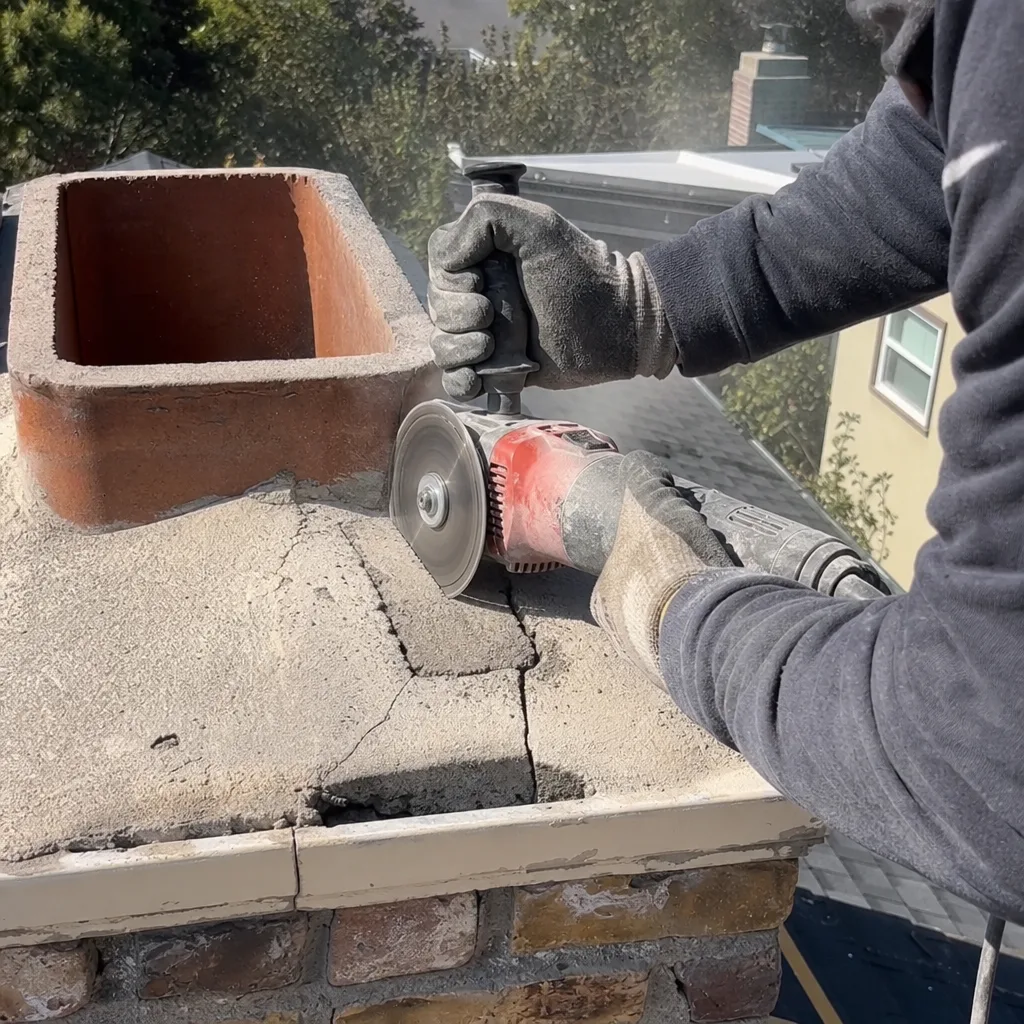
What moves you within these ranges: chimney height and access difficulty on steep Brisbane hillsides, severity of creosote buildup, and whether repairs are needed to make the system safe before cleaning. We never quote by phone and then change the price on arrival. Haven Standard Clause 1 requires a written price, written scope, and written warranty before work begins - every time, no exceptions. Estimates are free. Call (650) 600-3117.
We Also Serve Cities Near Brisbane
Our crews work the full Peninsula and East Bay corridor, including Brisbane, San Mateo, Alameda, Oakland, and San Leandro. Scheduling and dispatch are coordinated from our Los Angeles office, with local technicians serving each area. The same Haven Standard, the same written pricing, the same photo documentation applies whether we’re on a Brisbane hillside or an Oakland flat.
Serving Brisbane, CA - Our Local Coverage Area
We’re based in the Brisbane area and know this community well. Use the map below to see our service coverage - if you’re nearby, we can almost certainly help.
FAQs - Chimney Cleaning & Sweep in Brisbane
Most Brisbane homes need an annual sweep, but fog-fueled moisture and heavier burn seasons mean some homeowners benefit from inspection every 6-8 months. If you’re burning more than three times weekly through the extended season here, or if you’ve had third-degree creosote before, schedule before September and again in January. Call (650) 600-3117 for a free estimate - we’ll assess your burn pattern and recommend an interval.
Brisbane’s fog-funneled pocket between San Bruno Mountain and the Bay traps moisture in idle flues all summer, creating conditions for mold growth and making deteriorated clay tile joints attractive to swifts and starlings. This combination almost never occurs in sunnier San Mateo County cities just miles south. A closed damper doesn’t seal tightly enough to stop it. Annual inspection catches deterioration before it becomes a nesting site.
First-degree creosote is dry, powdery soot - easy to remove with standard brushes. Second-degree forms flaky layers from slower burns. Third-degree is a hard, glazed tar that requires rotary mechanical cleaning and, in Brisbane’s damp climate, stays sticky enough that standard brushing fails completely. The risk is real: third-degree creosote ignites at lower temperatures and burns hotter, making chimney fires more likely in homes that burn regularly into June. We classify what we find and show you the photo evidence before recommending removal method.
Yes, if your home is among the post-WWII bungalows and ranches on Brisbane’s hillside with original masonry. The steep terrain forces chimneys to emerge at unusual angles, complicating visual access, and 60-70 years of salt-laden bay air has degraded mortar and flue tiles that a Level 1 simply cannot assess. A Level 2 camera inspection finds cracked tiles, gaps, and spalling that would otherwise go unnoticed until smoke or carbon monoxide enters your living space. We typically recommend Level 2 every 3-5 years for these original chimneys.
Yes, wood stove inserts are part of our standard scope in Brisbane, where many hillside homes rely on them as primary or significant supplemental heat. The cleaning includes the firebox, baffle system, and connector pipe to the flue liner, with specific attention to creosote accumulation patterns that differ from open fireplaces. We also inspect the liner connection for gaps or corrosion, common in systems that burn daily through Brisbane’s extended season. Call (650) 600-3117 to schedule - we’ll confirm your insert model and ensure we bring the right equipment.
Written by Corrine Halstead, Owner at Level Two Chimney San Mateo, serving Brisbane and the Peninsula since 2009.