
Last updated September 22, 2026
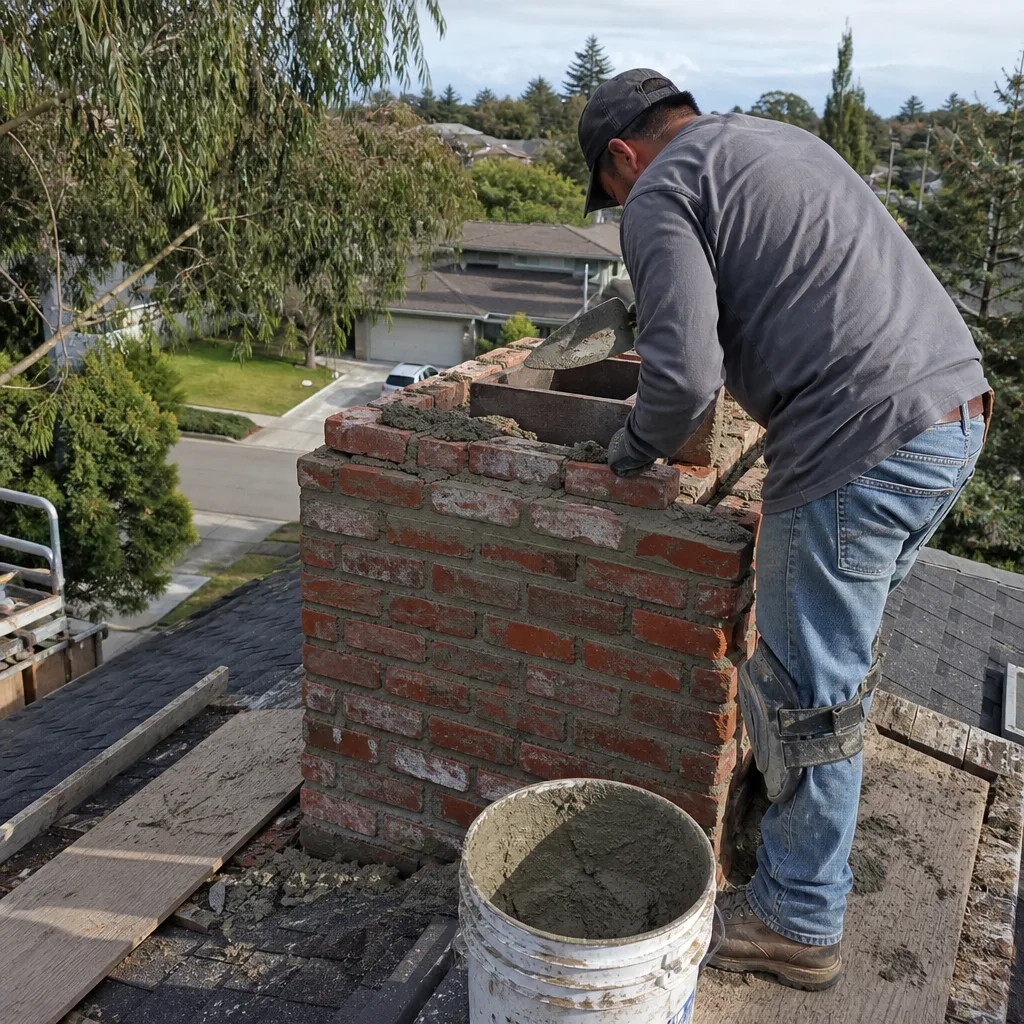
Level 1 sweep and inspection to the NFPA 211 annual standard - flue, crown, cap, and flashing checked and photographed
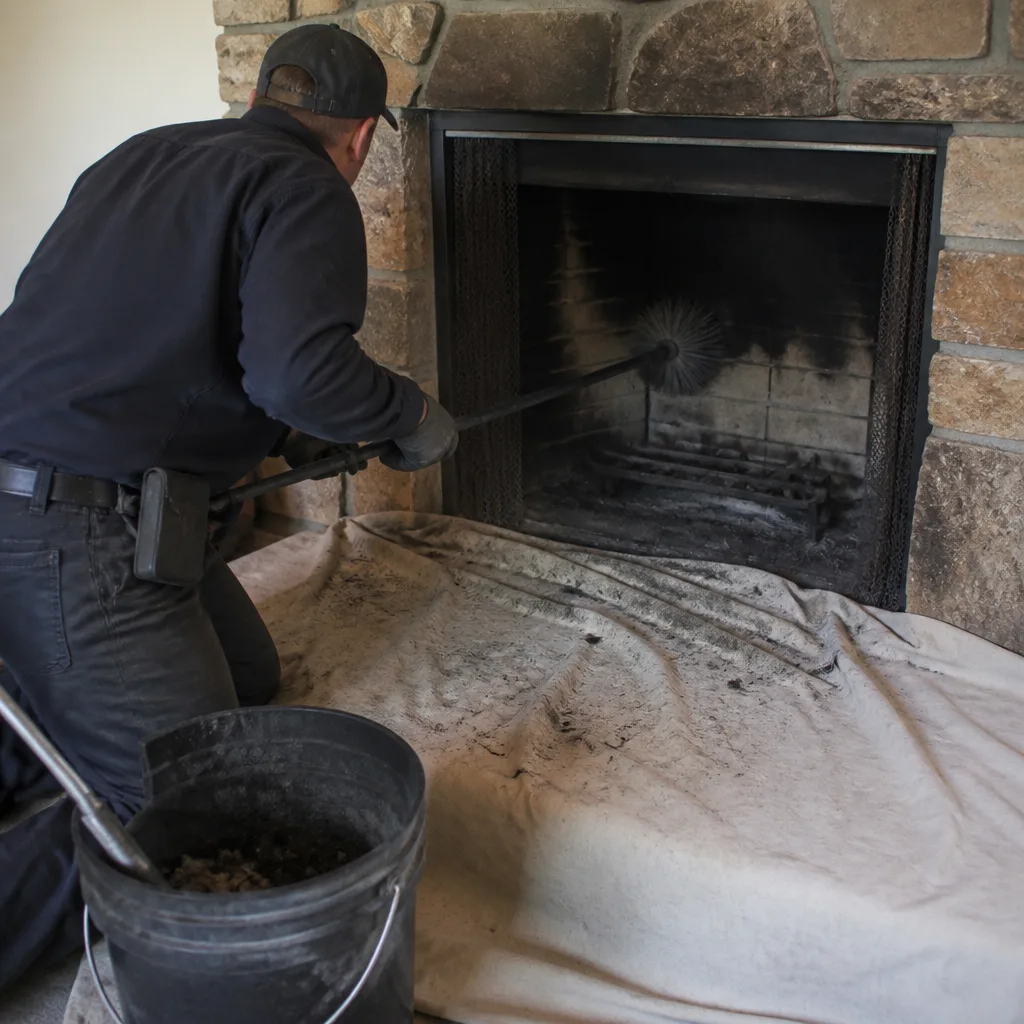
Chimney sweep logs do not sweep chimneys. They loosen some creosote - which then falls where a brush and vacuum still have to collect it.
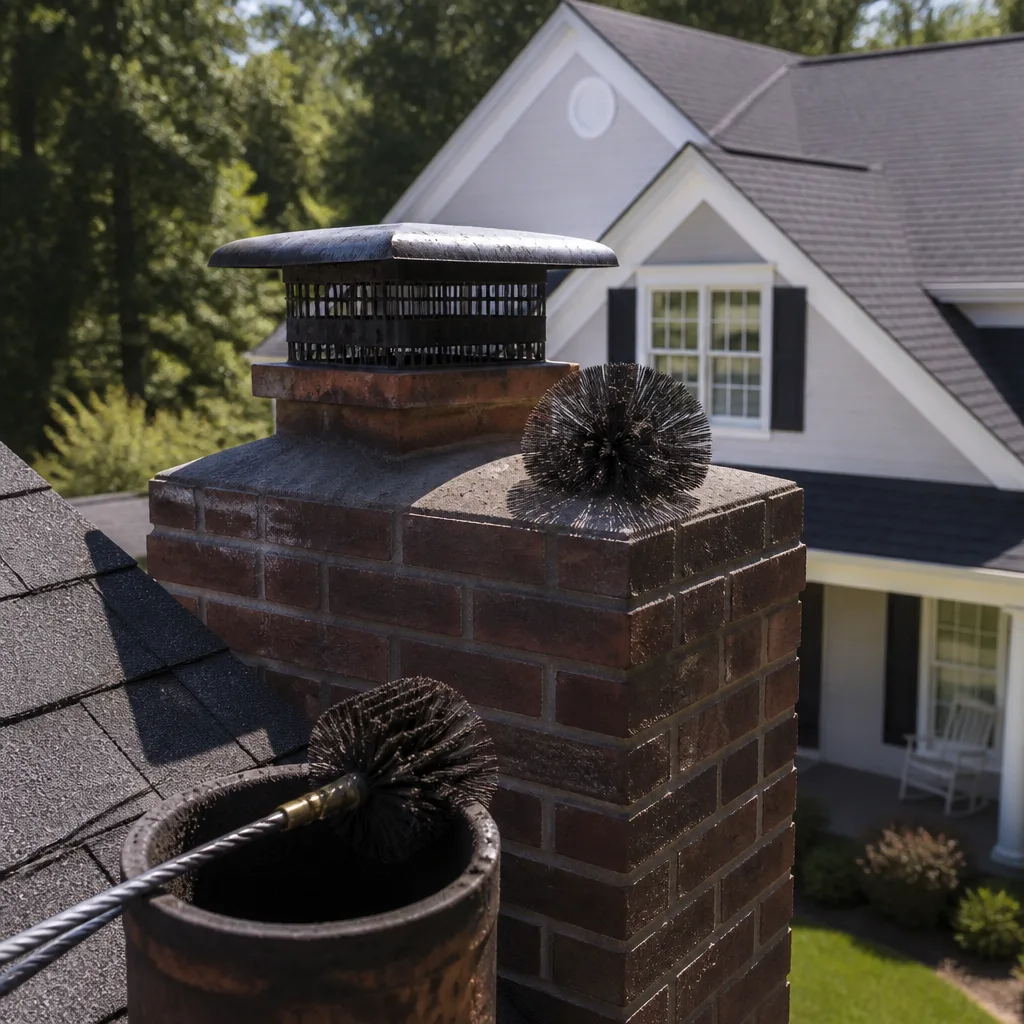
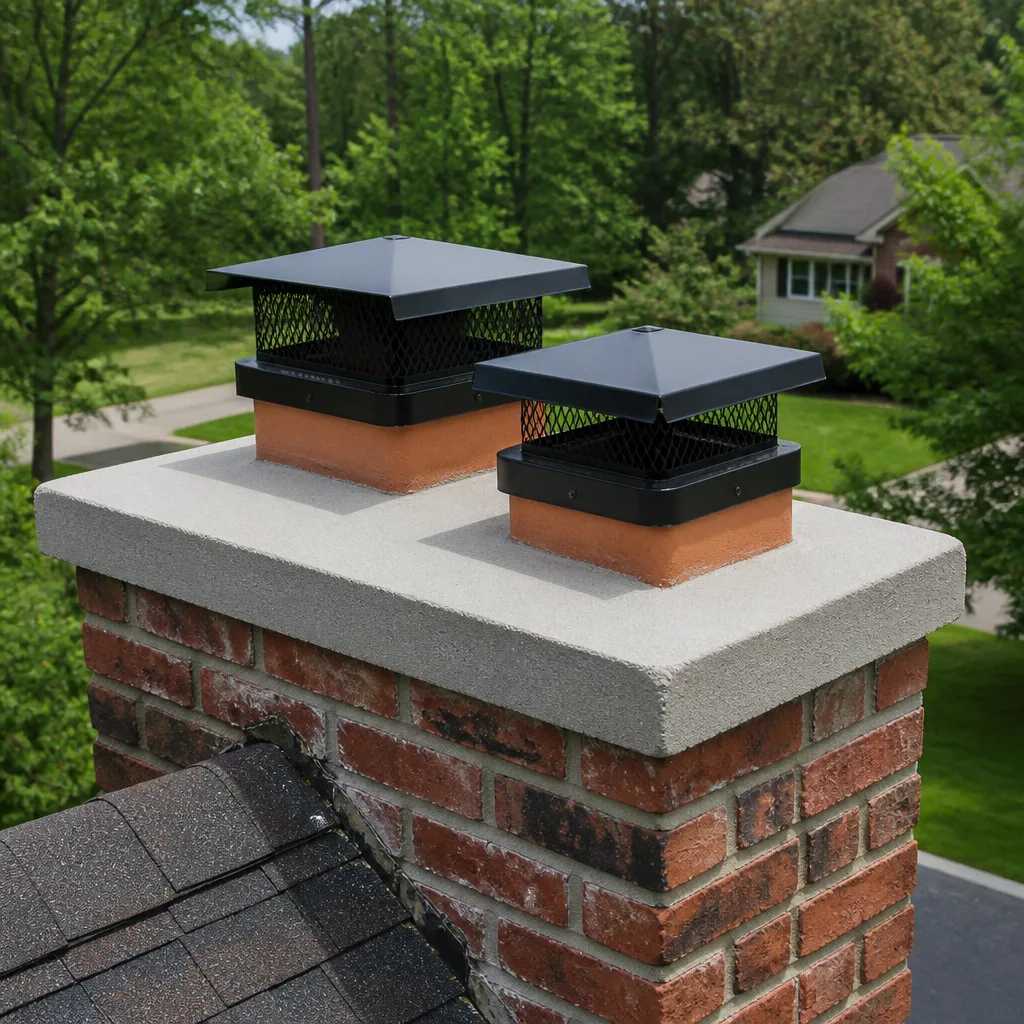
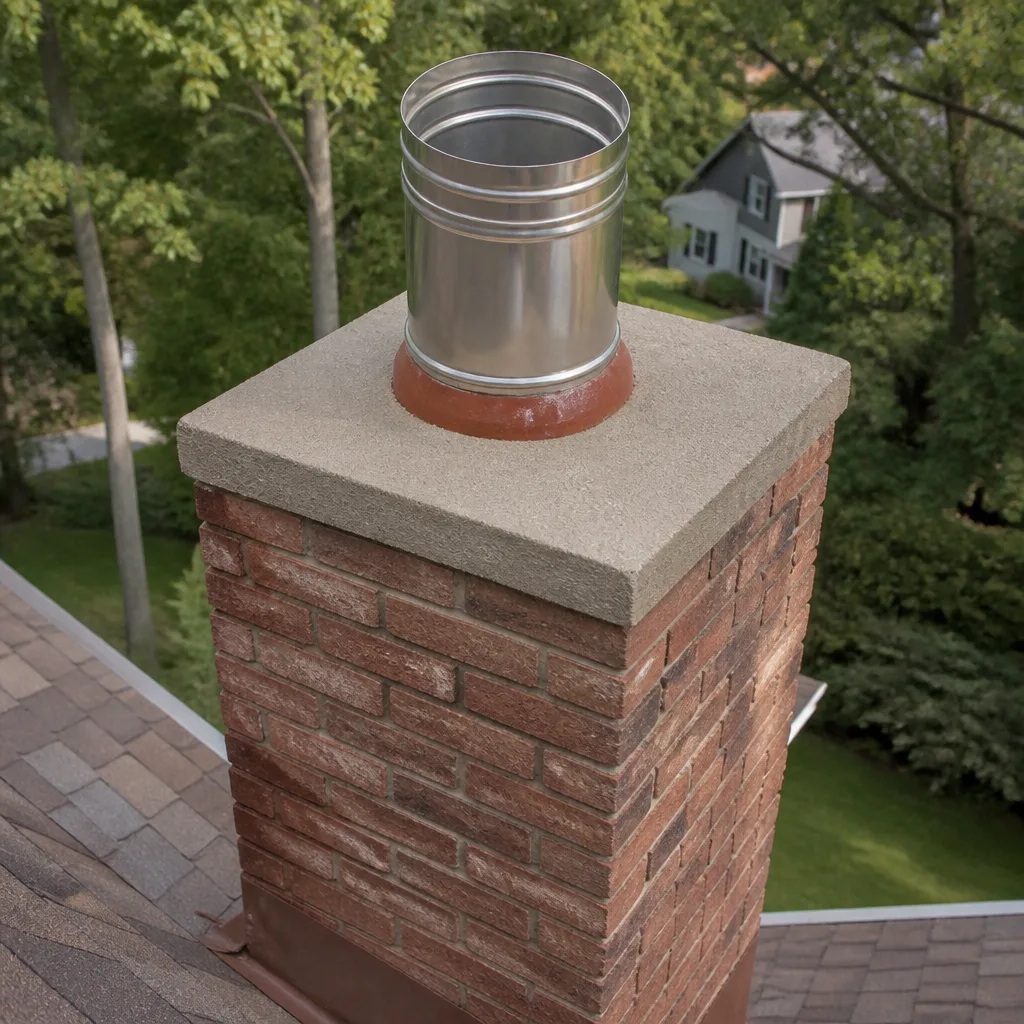
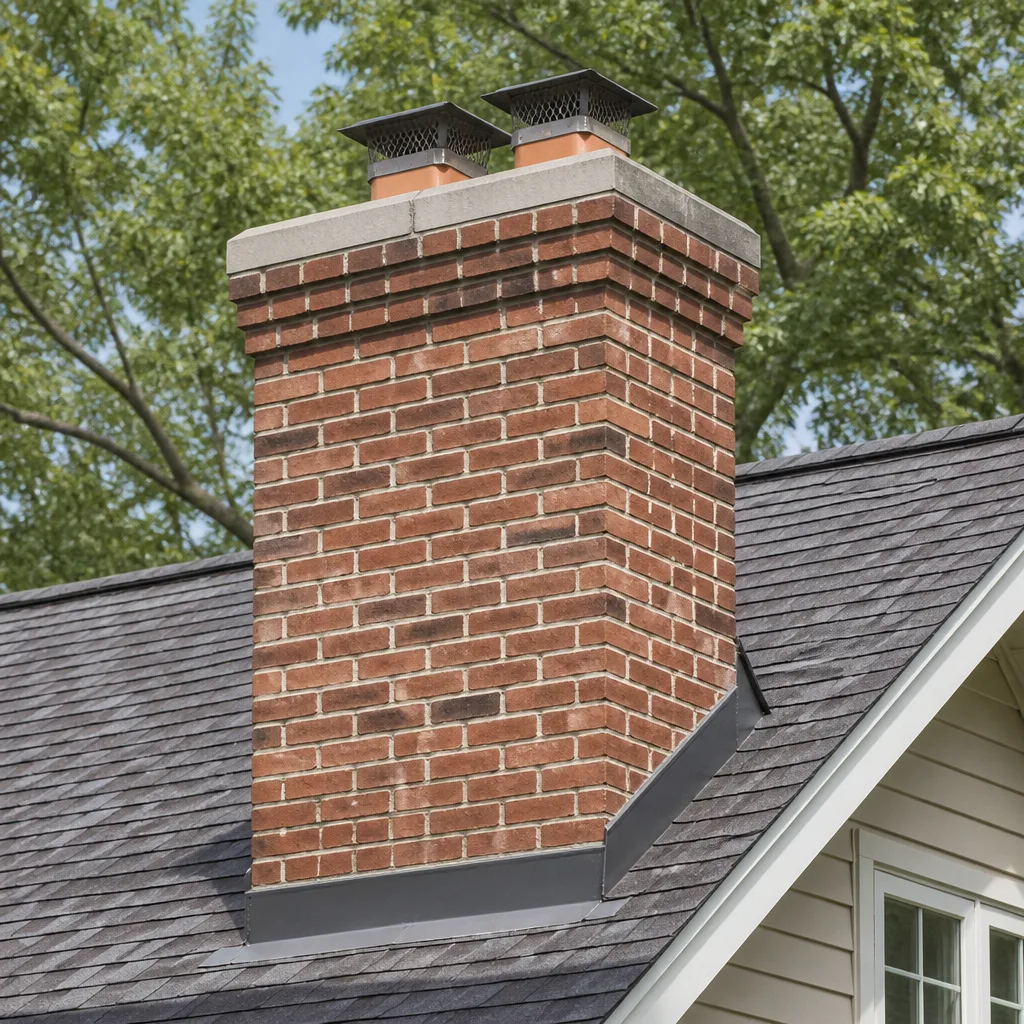
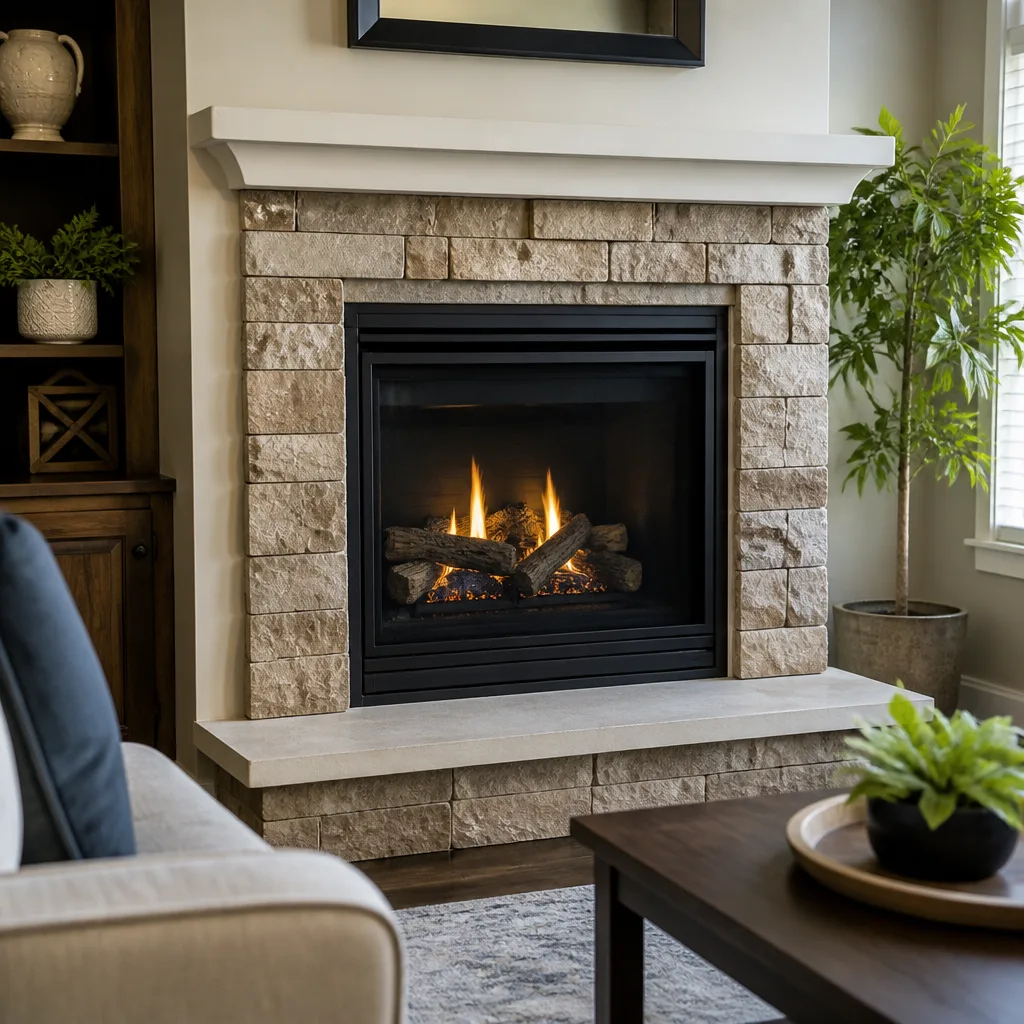
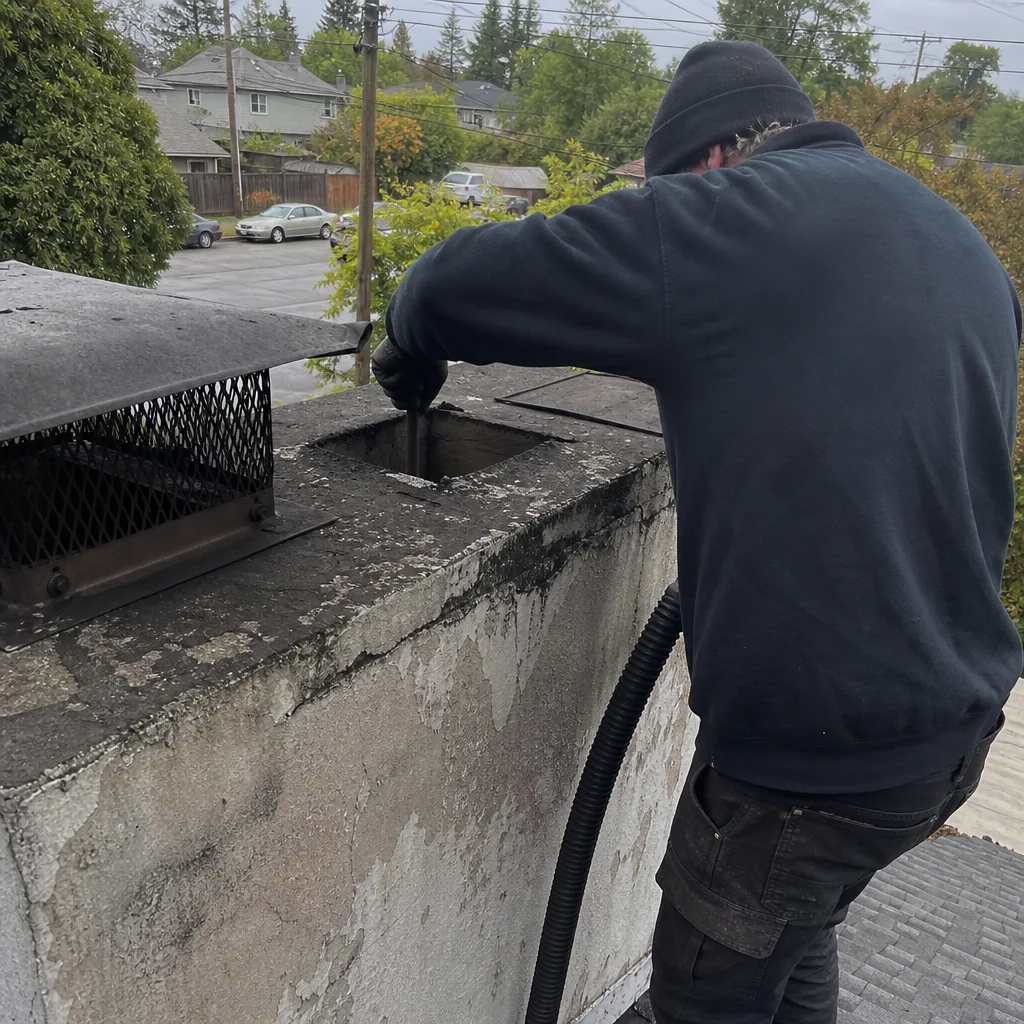 Before
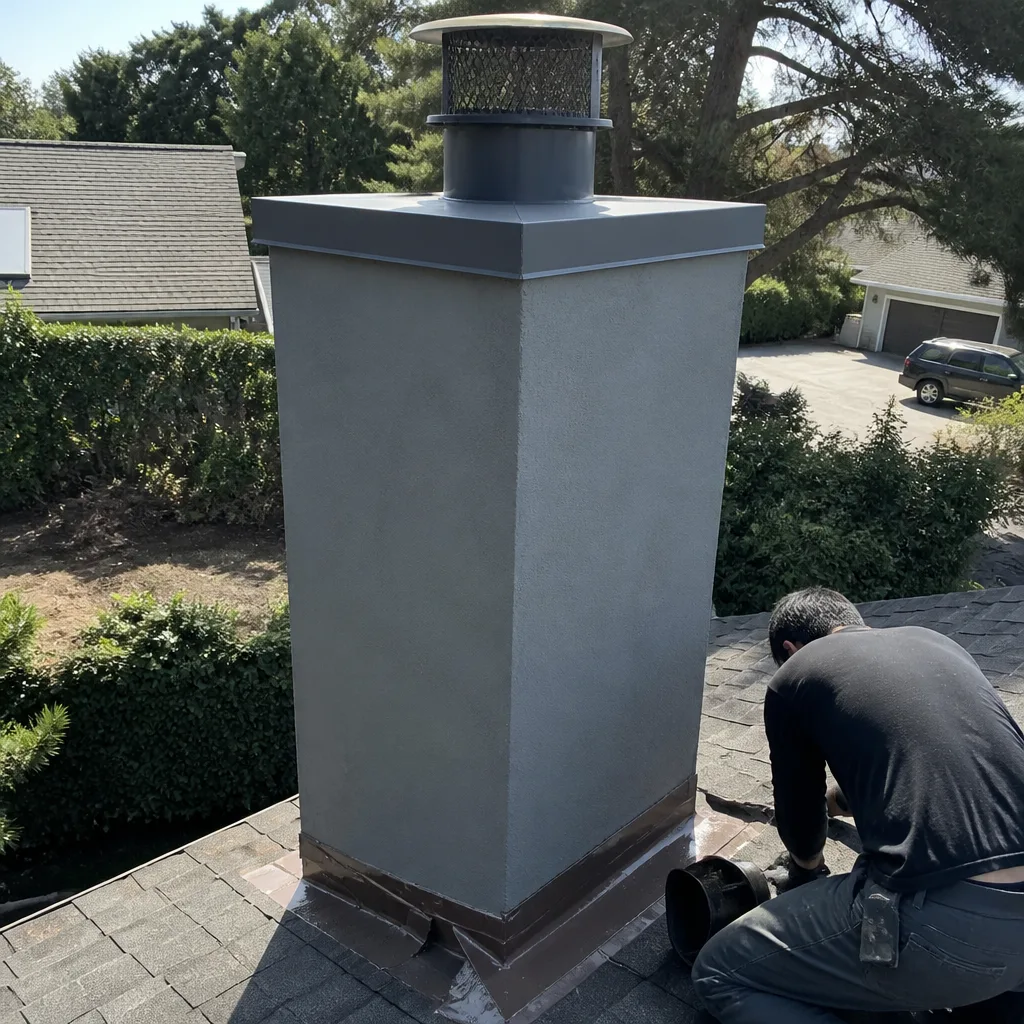 After
After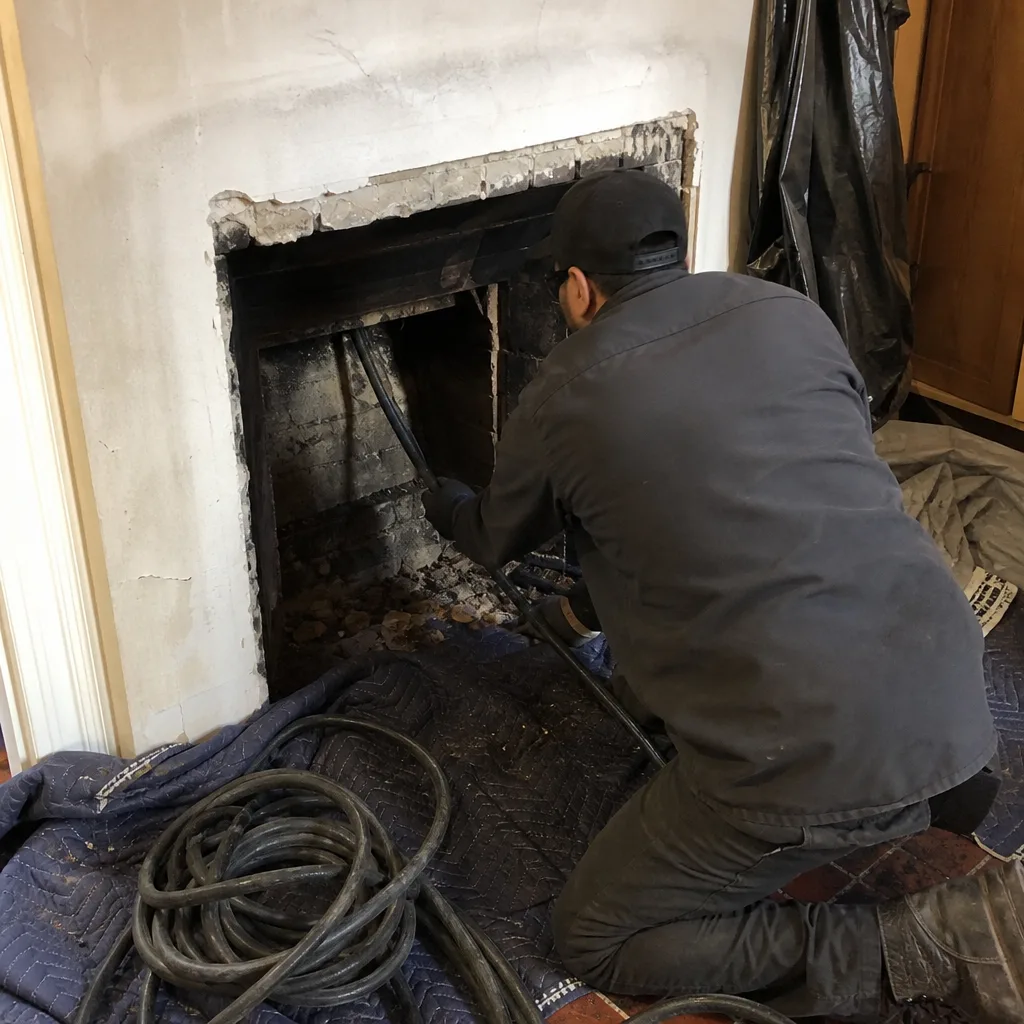 Before
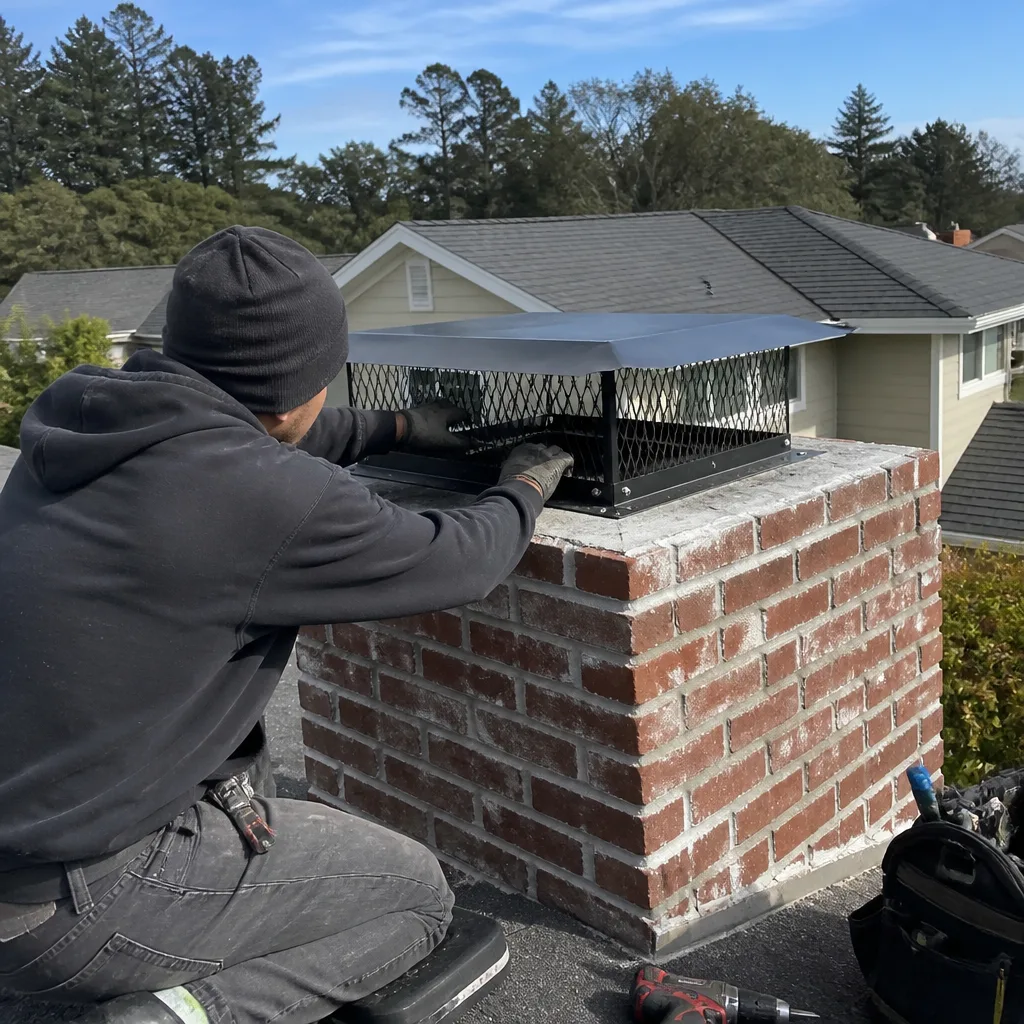 After
After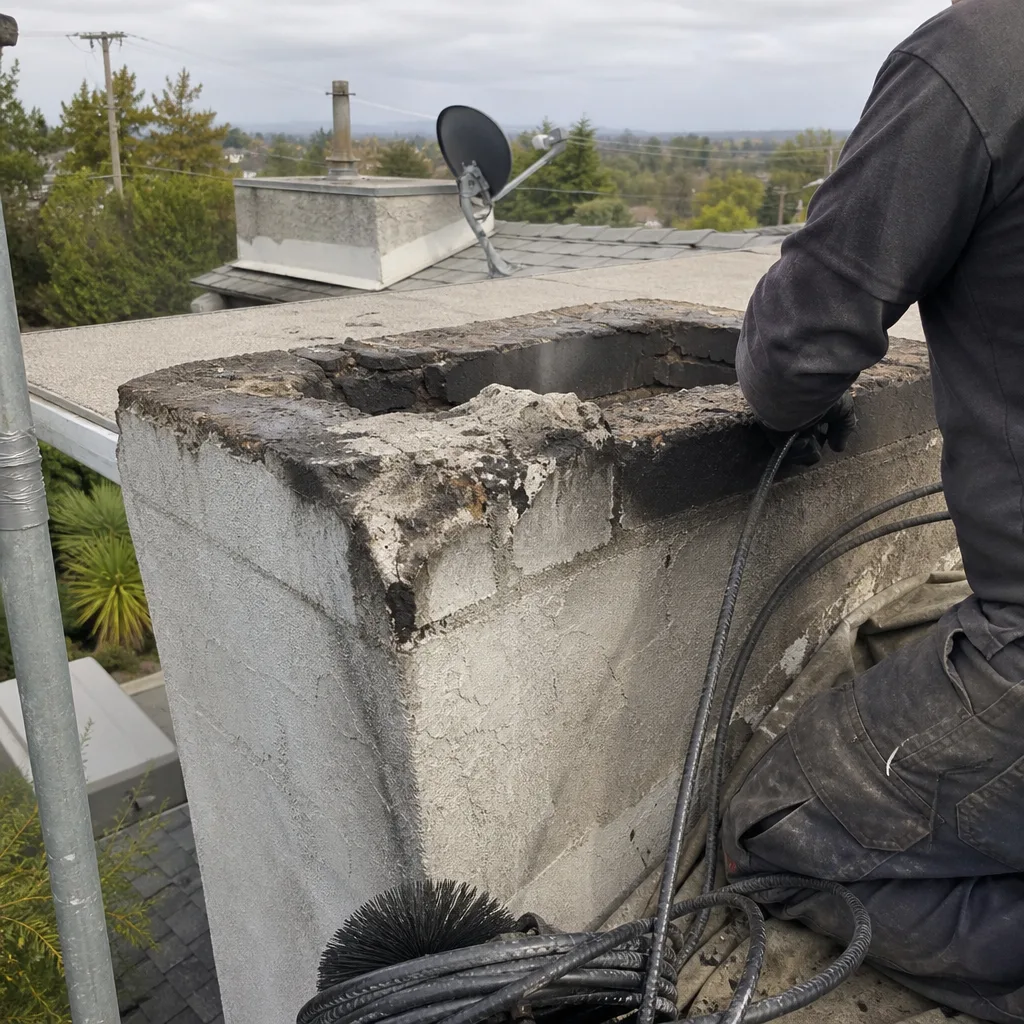 Before
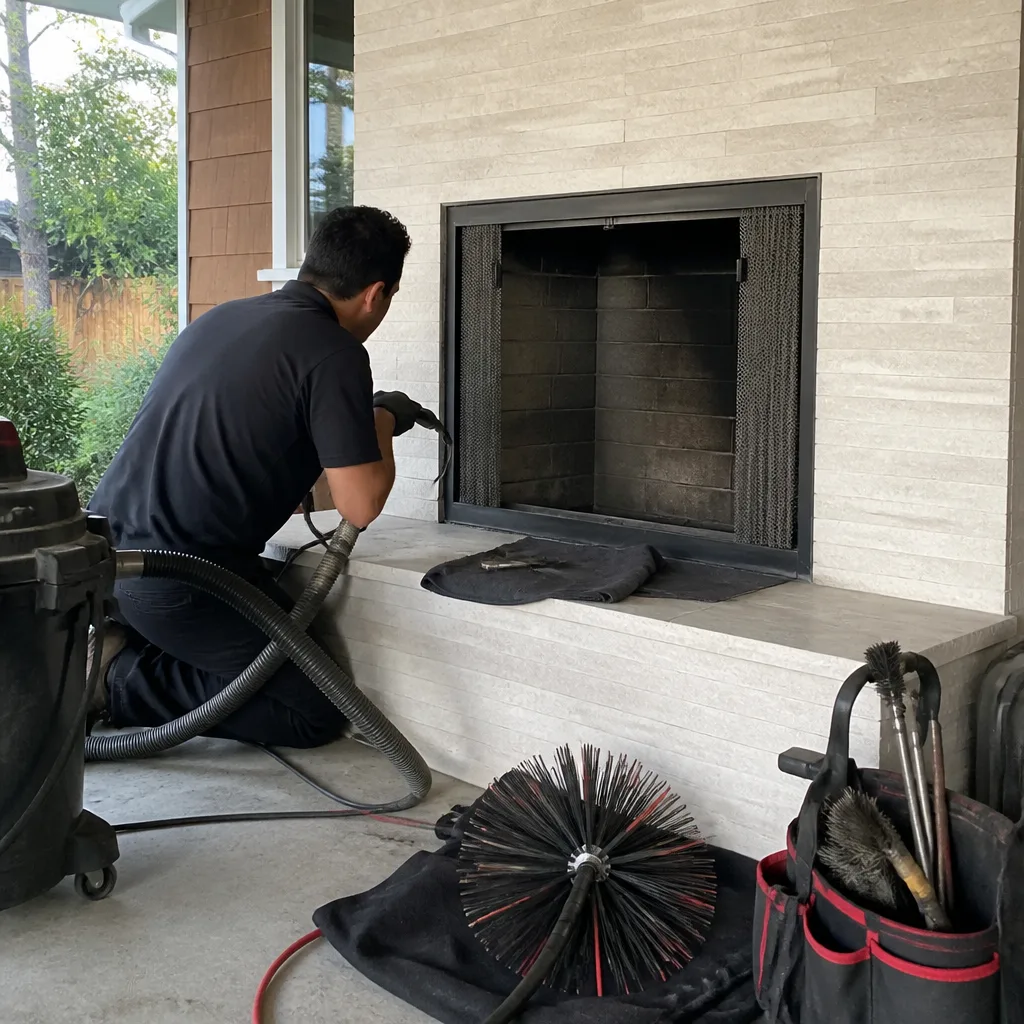 After
AfterHow to Hire a Chimney Cleaning Contractor in San Mateo: A Step-by-Step Guide
There is no California state license specifically for chimney sweeps. The person on your roof this Saturday may have paid $400 and passed a CSIA exam, or may have paid $40 for a membership card, or may have paid nothing at all and printed a logo from a website. In San Mateo, where the marine layer keeps flue liners damp half the year and the Hillsdale and Baywood neighborhoods are full of pre-1980 masonry that insurers now flag, this credential gap matters. This guide treats hiring a chimney contractor as a series of pass-or-fail verification gates, not a gut-check based on who’s cheapest or who answers the phone first. You’ll learn the exact three credentials to verify, the five questions that expose whether a company works to NFPA 211 or a looser internal checklist, the red-flag bid patterns we see circulating in San Mateo County, and what legitimate documentation looks like when the job is done.
Quick Answer
To hire a chimney cleaning contractor in San Mateo, verify three credentials before anyone steps on your property: a verifiable CSIA certification number, a general liability certificate naming your specific address, and proof of workers’ compensation coverage. For a deeper look at what this process should cost, see our Chimney Cleaning Cost Breakdown: The San Mateo Homeowner’s Reference for 2026. Require a camera-scan inspection and written price before work begins, and reject any bid that quotes cleaning or repair costs over the phone without seeing the flue. The contractor you choose should deliver a documented photo record within 48 hours, which you’ll need for your homeowner’s insurer and for any future sale of your San Mateo home.
Table of Contents
- Why Credentials Matter More Than Price in San Mateo
- The Three Credentials to Verify Before Anyone Arrives
- Five Questions That Separate NFPA 211 Work From a Flashlight Sweep
- Red-Flag Bid Patterns in San Mateo County
- The Written-Price-Before-Work Rule
- What a Legitimate Chimney Service Looks Like From Start to Finish
- Your Post-Service Package: Documents You Should Receive
- Common Mistakes to Avoid
- When to Call a Professional
- Frequently Asked Questions
- The Bottom Line
 Before
 After
AfterWhy Credentials Matter More Than Price in San Mateo
San Mateo’s housing stock creates specific chimney risks that make credential verification more important here than in drier inland markets. The marine climate, with its persistent summer fog and winter rains, accelerates deterioration of masonry crowns and terracotta flue liners. We’ve inspected chimneys in the Baywood neighborhood where the exterior brick looked fine but the liner had spalling (flaking surface deterioration) so advanced that combustible gases were seeping into wall cavities. A flashlight sweep would have missed it entirely.
The city also sits in a patchwork of jurisdictions. San Mateo County has adopted NFPA 211 as reference standard, but enforcement is complaint-driven, not inspection-driven. No municipal inspector checks whether your sweep followed protocol. For details on local requirements, read our guide to Chimney Cleaning Permits, Codes & Inspections in CA: What You Need to Know. Your only protection is the credential you verified before hiring.
Homeowner’s insurers operating in San Mateo, including carriers writing policies in the Hillsdale and Aragon areas, have tightened chimney documentation requirements since 2022. After a chimney fire, adjusters increasingly request proof of professional cleaning and inspection. A receipt for “$99 sweep” with no certification number, no photo record, and no scope description is often treated as insufficient evidence of maintenance. The credential gap becomes a coverage gap.
This is why we treat hiring as verification-first, price-second. The cheapest contractor who cannot produce verifiable credentials is not cheaper. They’re uninsured, unaccountable, and potentially leaving you with documentation that fails when you need it.
The Three Credentials to Verify Before Anyone Arrives
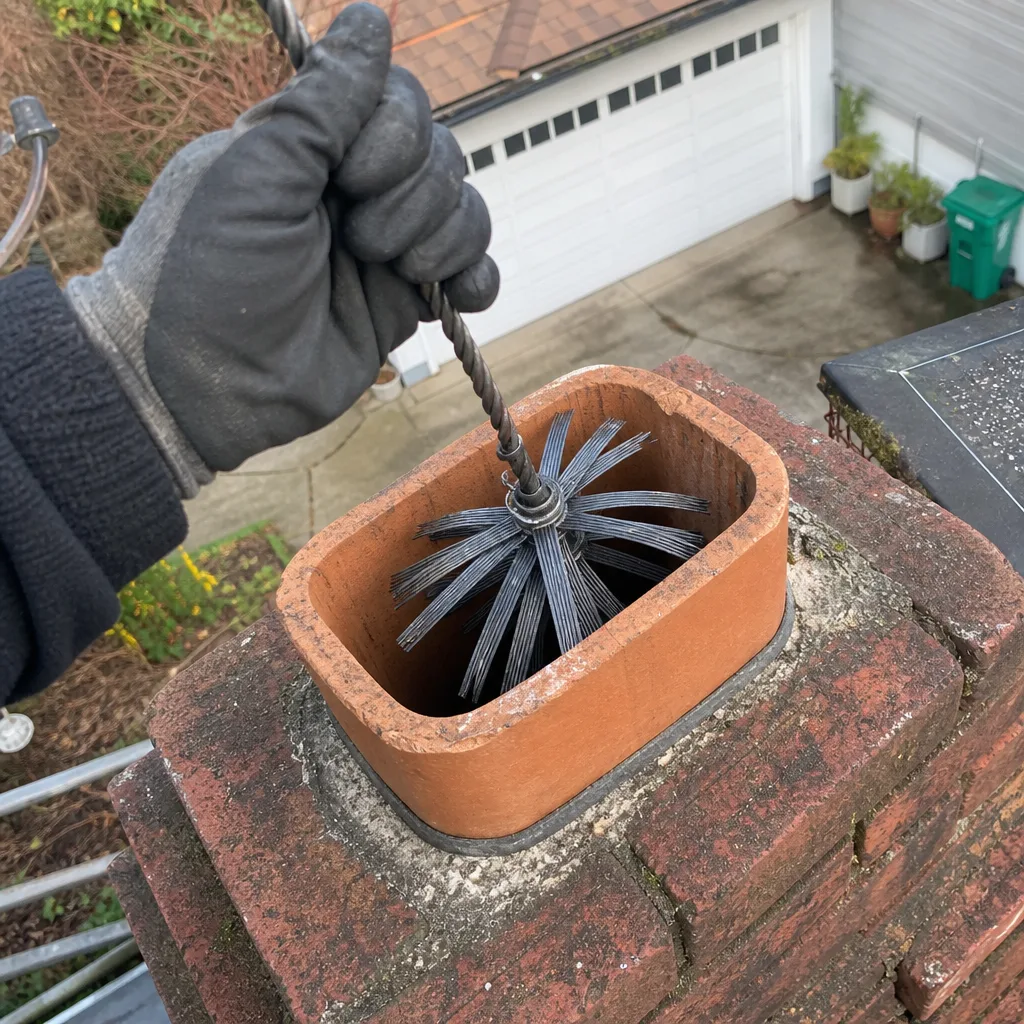
Every contractor who wants access to your roof should pass three verification gates. Do this by email, before scheduling. A legitimate contractor will not hesitate. A hesitant contractor is information you can use.
1. CSIA Certification Number (Verified, Not Just Claimed)
The Chimney Safety Institute of America (CSIA) certifies individual technicians, not companies. A company can claim “CSIA certified” while sending an uncertified employee. You need the specific technician’s certification number.
Verification: Ask for the certification number and the technician’s full name. CSIA maintains a public verification tool at csia.org. Enter the number. The record should show:
- Active certification status (not expired)
- The individual’s name matching what the company provided
- Certification date (recertification is required every three years)
If the company refuses the number, sends a company-level membership certificate instead, or tells you the technician will be “trained on-site,” this is a fail. In our experience serving San Mateo since 2009, we’ve encountered competitors whose “certified” technician had never held a CSIA credential or whose certification lapsed years prior.
2. General Liability Certificate Naming Your Address
California does not require chimney sweeps to carry general liability insurance. Many do not. A certificate of insurance (COI) should name your specific property address as “additional insured” for the date of service. A generic certificate with no address is not proof of active coverage for your job.
Verification: Request the COI directly from the contractor’s insurance broker, not from the contractor. The broker’s contact information appears on the certificate. Call to confirm the policy is active and the coverage limits. Standard general liability for chimney work should be at least $1 million per occurrence.
Without this, a technician who damages your roof, falls through a ceiling, or cracks a flue liner during cleaning has no coverage to pay for repairs. You become the coverage.
3. Proof of Workers’ Compensation
California requires workers’ compensation for any business with employees. Many chimney operations classify workers as “independent contractors” to avoid this cost. If an uninsured worker is injured on your property in San Mateo, your homeowner’s policy may be drawn into the claim.
Verification: Request the workers’ comp policy number and the insurance carrier. Verify through the California Department of Insurance at insurance.ca.gov or by calling the carrier directly. Confirm the policy covers the date of your scheduled service.
A solo operator with no employees may legally operate without workers’ comp, but they should state this explicitly and carry higher general liability limits. Most “companies” sending technicians to San Mateo homes have employees and should have this coverage.
Five Questions That Separate NFPA 211 Work From a Flashlight Sweep
NFPA 211 is the National Fire Protection Association standard for chimneys, fireplaces, vents, and solid fuel-burning appliances. It specifies inspection levels, clearance requirements, and documentation standards. A contractor who does not know NFPA 211 by chapter reference is not working to it. These five questions reveal the gap.
Question 1: “What level of inspection does your standard cleaning include?”
The answer should be “Level 2” or “NFPA 211 Level 2.” Level 1 is a visual inspection from accessible areas, no tools, no camera. Level 2 requires a camera scan of the flue interior, examination of accessible attics and crawl spaces, and documentation of findings. Level 3 involves demolition of building components and is only triggered by Level 2 findings.
A contractor who says “we do a full inspection” without specifying Level 2 is likely doing Level 1, which is inadequate for any San Mateo home with a pre-1990 chimney or any change in appliance type. We’ve found Level 1 inspections miss liner deterioration in roughly 30% of San Mateo homes built before 1980.
Question 2: “What documentation do I receive, and when?”
The answer should specify: dated photo record of the flue interior, written scope of work performed, written condition assessment, and written warranty or guarantee terms, delivered within 48 hours of service completion. Not “we’ll email you a receipt.” Not “the technician will tell you what he saw.”
At Level Two Chimney San Mateo, Clause 4 of the Haven Standard requires a documented photo record on every job. We’ve maintained this practice since 2009. The photo record is not an upgrade. It is the baseline.
Question 3: “What creosote classification system do you use, and how do you document it?”
CSIA recognizes three creosote classes: Class I (soot, easily brushed), Class II (crunchy flakes, requires more aggressive tools), and Class III (tar-like glaze, requires chemical treatment or rotary removal). A contractor should classify what they found and document it with photos.
A contractor who says “it was pretty dirty” or “we got it clean” without classification is not following professional protocol. Class III creosote is a fire hazard regardless of whether it “looks clean” afterward, and its presence affects your insurer’s risk assessment.
Question 4: “Do you quote repair costs before or after cleaning?”
The correct answer is “after camera inspection, before any repair work begins.” A contractor who discovers “needed repairs” only after starting cleaning, or who bundles cleaning with repair quotes given verbally on the roof, is operating without scope control.
This is where scope creep lives. The technician is already in your home, your fireplace is disassembled, and you’re told the liner is “crumbling” with a $3,400 repair now urgent. Without prior documentation of liner condition, you have no baseline to evaluate this claim.
Question 5: “What materials do you use for liner repair or relining, and where do you source them?”
The answer should name specific manufacturers and explain why those materials are specified. Common legitimate names in our trade include DuraFlex for stainless steel liners, HeatShield for cerfractory flue resurfacing, and Gelco for chimney caps. We source through Haven’s buying network, which pools procurement across independently owned operations to maintain honest pricing.
A contractor who says “we use the best materials” without naming manufacturers, or who sources from unbranded suppliers, cannot guarantee material quality or warranty support. This matters for San Mateo homes where salt air accelerates corrosion of inferior metals.
Red-Flag Bid Patterns in San Mateo County
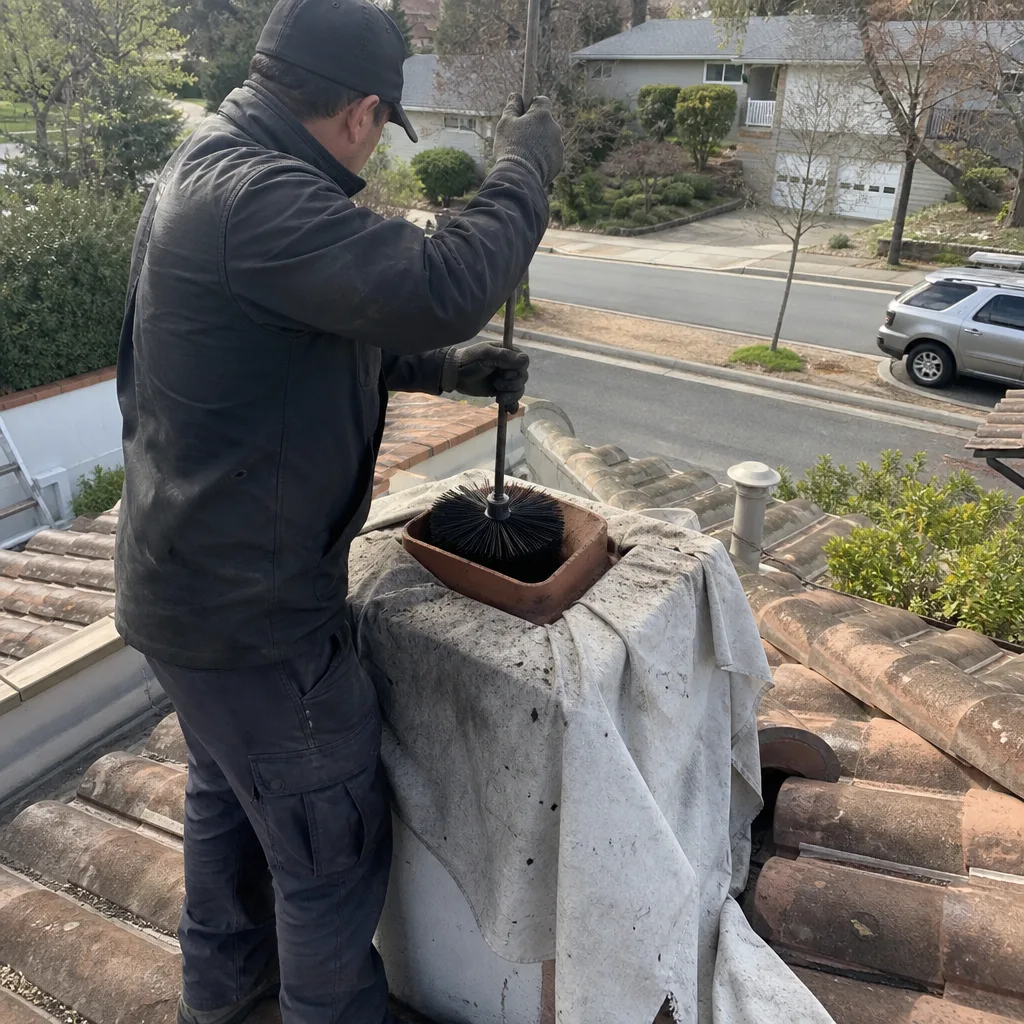
Specific pricing structures circulate in San Mateo County that predict poor outcomes. Recognize them before you schedule. For year-round maintenance tips, see our Seasonal Chimney Cleaning Care for San Mateo: Year-Round Homeowner’s Guide.
The “$49 Special” That Converts at 90%
This bid structure advertises a low entry price that covers only the most minimal brushing. The technician arrives, performs a cursory sweep, then discovers “critical issues” requiring immediate repair. Industry data and our own observation of competitor practices in the San Mateo market suggest conversion rates to four-figure upsells exceed 90% for these operations. The initial $49 is not a price. It is a customer acquisition cost for a high-pressure sales call.
The structure works because California consumer protection law provides limited recourse for “estimates” that escalate once work is underway. The homeowner feels committed, the technician is already present, and the “urgent” safety framing makes comparison shopping impossible.
The “Free Inspection With Cleaning Purchase”
This inverts the professional relationship. An inspection should determine whether cleaning is needed, not be contingent on buying cleaning. The incentive structure rewards finding nothing wrong (to complete the sale quickly) or finding everything wrong (to maximize the upsell). It does not reward accurate, measured assessment.
In San Mateo’s older neighborhoods, where chimneys often have legitimate but non-urgent conditions, this structure produces predictable distortions. We’ve inspected chimneys in the Shoreview area where a “free inspection” reported “all clear” while our camera scan found cracked flue tiles and deteriorated mortar joints. The prior contractor had incentive to complete the sale, not to document accurately.
The Phone Quote Without Visual Inspection
Any contractor who quotes liner replacement, crown repair, or masonry work over the phone has not seen what they’re pricing. This is not expertise. It is guessing, and the guess always errs in the contractor’s favor once they arrive and “discover” conditions worse than quoted.
A legitimate contractor in San Mateo will schedule an inspection first, deliver findings with photo evidence, and provide a written price for any recommended work. This is Haven Standard Clause 1: Have it in writing. The price, the scope, and the warranty terms are documented before any work begins.
The “Insurance Will Cover It” Framing
Some contractors in San Mateo County imply that chimney damage is typically covered by homeowner’s insurance. This is misleading. Insurance covers sudden, accidental damage (chimney fire, lightning strike, tree impact). It does not cover maintenance, deterioration, or code compliance upgrades. A contractor who leads with insurance coverage as a payment strategy is either uninformed or deceptive.
The Written-Price-Before-Work Rule
The single most protective practice a San Mateo homeowner can enforce is this: no work begins without a written price, written scope, and written warranty terms. Not a verbal estimate. Not a range. Not a “we’ll see when we get there.”
Here’s why this matters structurally. Chimney work has high information asymmetry. The contractor sees what you cannot see. Without written documentation of what was found, what will be done, and what it costs, you have no basis to evaluate whether the work was necessary or performed correctly. After the technician leaves, you have a receipt and a memory.
The written-price rule also protects against scope creep. A contractor who has committed to a scope in writing cannot add “necessary” repairs mid-job without your signed change order. This sounds obvious, but we regularly encounter San Mateo homeowners who agreed to a $200 cleaning and paid $2,400 for “discovered” liner damage they had no way to verify.
At Level Two Chimney San Mateo, Haven Standard Clause 1 requires a written price before any work starts. Not as a courtesy. As a structural protection. We’ve delivered more than 38,000 written prices since 2009, and we’ve never started work without one.
The corollary: reject any contractor who claims they “can’t know the price until they start.” A camera inspection reveals flue condition. A crown assessment requires binoculars and a ladder, not demolition. Masonry evaluation is visual and tactile. The conditions that legitimately prevent fixed pricing (hidden structural damage, inaccessible areas) are rare, and the contractor should explain specifically why standard pricing does not apply, with photo evidence of the complicating condition.
What a Legitimate Chimney Service Looks Like From Start to Finish
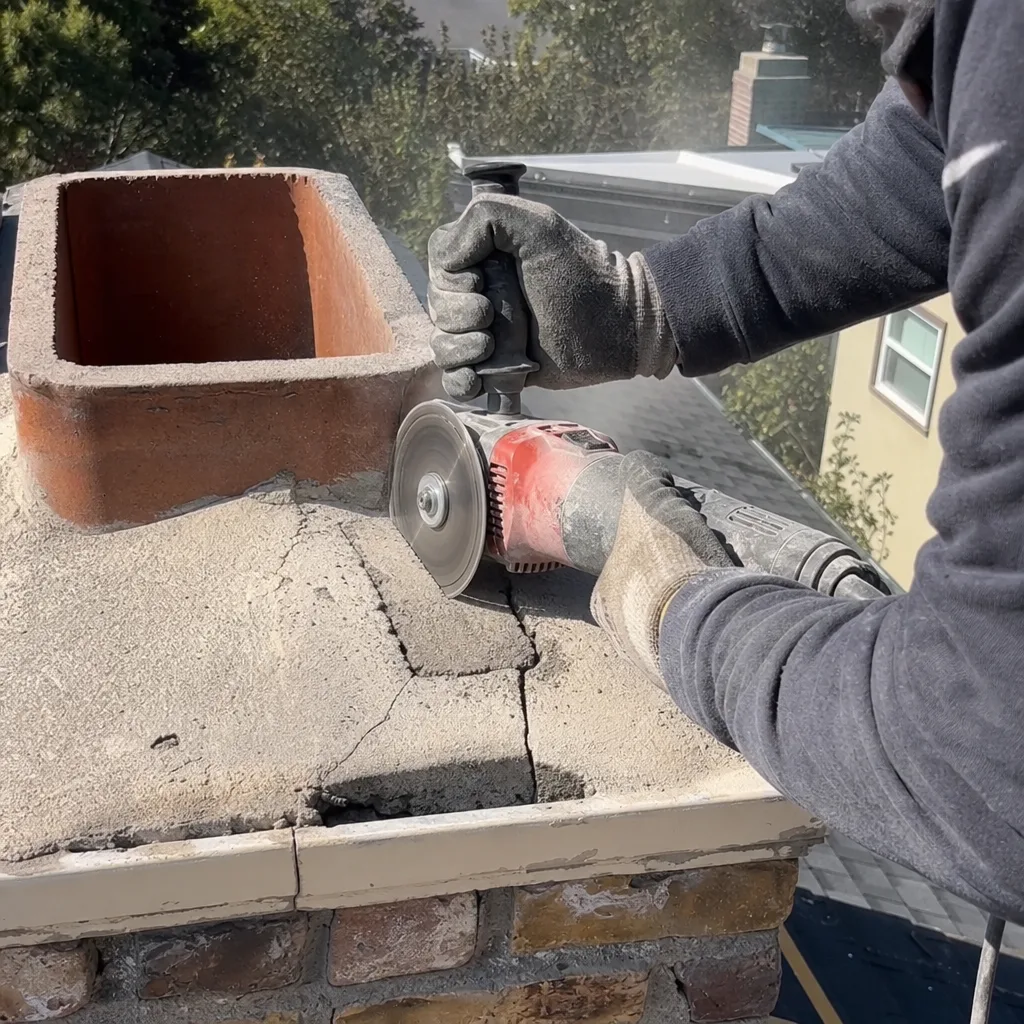
To make this concrete, here is the sequence a professional chimney cleaning and inspection should follow in San Mateo. Use this as a checklist when evaluating contractors.
- Credential verification by email or phone before scheduling. You receive the CSIA number, confirmation of general liability naming your address, and workers’ comp policy details. The company does not resist or delay.
- Scheduled arrival window with named technician. You know who is coming. The technician is background-checked and uniformed. You receive a text when they are en route.
- Exterior inspection first. Crown, cap, flashing, brick condition, and clearance to combustibles are assessed before interior work begins. Photos are taken.
- Interior setup with drop cloths and containment. Your flooring and furnishings are protected. The work area is isolated.
- Camera scan of the flue interior before cleaning. This establishes baseline condition. You see what the technician sees, in real time or recorded.
- Cleaning performed to CSIA standards with appropriate tools for creosote class. Class I: wire brush on rods. Class II: motorized tools or chain flails. Class III: chemical treatment with return visit for removal, or rotary cleaning.
- Camera scan after cleaning. Documentation that the flue is clear and condition is unchanged or improved.
- Written findings and price for any recommended repairs. Delivered before the technician departs, with photos attached or accessible.
- Written scope and price for any accepted repair work. Signed by both parties before work continues.
- Final documentation package within 48 hours. Photo record, written scope of work performed, condition assessment, and warranty terms.
This sequence is not elaborate. It is what NFPA 211 Level 2 inspection requires, and what any contractor claiming professional status should deliver as standard. In San Mateo, where home values and insurance scrutiny are both high, this documentation also protects your property investment.
Your Post-Service Package: Documents You Should Receive
Within 48 hours of any chimney service, you should receive a complete documentation package. This is not administrative overhead. It is the product you paid for, and it has specific uses.
The Photo Record
Date-stamped images of the flue interior before and after cleaning, the crown, the firebox, and any conditions of note. At Level Two Chimney San Mateo, Clause 4 of the Haven Standard requires this photo record on every job. We’ve maintained this practice continuously since 2009.
Use: Provide to your homeowner’s insurer as proof of maintenance. Include in disclosure documents when selling your San Mateo home. Reference for comparison at your next inspection to track condition changes.
The Written Scope of Work
Specific description of what was performed: “Class II creosote removed from 8″ x 12″ terracotta flue liner, 18 feet from firebox to crown, using rotary chain flail. Smoke chamber parged. Firebox brick inspected, no spalling noted.”
Use: Verifies that cleaning was actually performed to depth, not just surface-brushed. Defines warranty coverage (work performed as described).
The Condition Assessment
Plain-language description of flue liner condition, crown integrity, masonry condition, and clearance compliance. Includes classification of any findings: “monitor,” “repair recommended within 12 months,” or “repair required before use.”
Use: Prioritizes maintenance spending. Supports insurance claims if damage occurs. Provides baseline for future inspections.
The Warranty or Guarantee Terms
Specific coverage, duration, and process for claims. At Level Two Chimney San Mateo, the 365-Day Done Right Promise covers any defect in workmanship: if it’s not done right, we make it right, with the remedy specified.
Use: Recourse if problems emerge. Evidence of contractor accountability for insurer or future buyer.
The Written Price for Any Recommended Repairs
Itemized, with materials specified by manufacturer (DuraFlex, HeatShield, etc.) and labor separated. Not a single lump sum with no breakdown.
Use: Enables comparison with other contractors. Supports our Free Second Opinion service: bring us any competitor’s written estimate, and we’ll review it against current market pricing for equivalent materials and scope.
Common Mistakes to Avoid
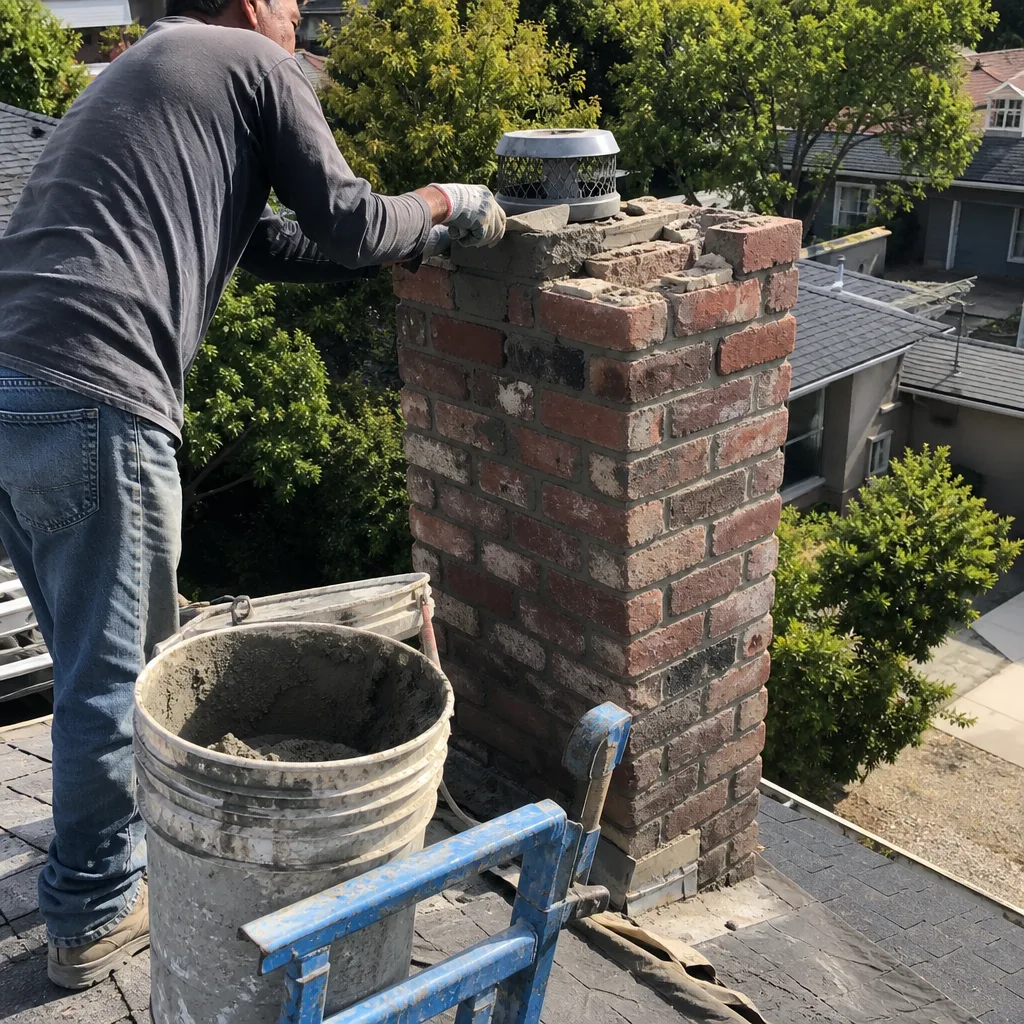
- Hiring based on lowest price without credential verification. The $49 special costs more than the documented sweep when upsells and repeat visits are included. Verify credentials first, then compare prices among qualified contractors.
- Accepting verbal estimates for repair work. A contractor who will not put scope and price in writing before starting has not committed to anything you can enforce. This is particularly common with masonry repairs in San Mateo’s older hillside homes.
- Skipping the camera inspection to save money. The camera scan is not an add-on. It is the only method that reveals flue liner condition, which determines whether your chimney is safe to use. A flashlight sweep without camera documentation is incomplete by NFPA 211 standards.
- Assuming all “certifications” are equal. CSIA certification requires examination and recertification. Online “chimney sweep certificates” from trade associations with no examination are available for purchase. Verify the specific credential, not the framed wall decoration.
- Not requesting documentation for your insurer. San Mateo homeowner’s policies increasingly require proof of professional maintenance for chimney-related claims. The receipt from a cut-rate sweep often lacks the detail adjusters need.
- Ignoring the marine climate factor. San Mateo’s salt air and persistent moisture accelerate crown and liner deterioration. A contractor who treats your chimney like an inland Sacramento job will miss conditions specific to coastal California.
- Failing to check if the contractor has worked in your specific San Mateo neighborhood. Hillsdale’s 1950s ranch homes, Baywood’s pre-war masonry, and the newer construction near Bay Meadows have different chimney systems and common failure modes. Local experience matters.
When to Call a Professional
Call a chimney professional before burning season begins, if you notice smoke backup, odd odors, or visible exterior damage, or if your San Mateo home has not had a documented inspection in the past 12 months. After any chimney fire, even a small one, a Level 2 inspection is required before further use. The same applies if you’ve changed appliance type, such as converting a wood fireplace to gas inserts, which affects liner sizing and clearance requirements under NFPA 211.
For San Mateo homeowners who want verification without commitment, Chimney Cleaning & Sweep in San Mateo includes a full camera-scan inspection and documented photo record. Level Two Chimney San Mateo home provides full details on our inspection standards and the Haven Standard clauses that govern every job. Chimney Repair in San Mateo covers the repair scope we document and quote in writing after inspection. For fireplace-specific services, see Fireplace Services in San Mateo.
Level Two Chimney San Mateo offers free estimates in San Mateo - call (650) 600-3117 to schedule. Every estimate includes a camera-scan inspection, written findings, and a written price before any work is discussed.
Frequently Asked Questions
A professional chimney sweep with NFPA 211 Level 2 camera inspection in San Mateo typically ranges from $250 to $450, depending on flue accessibility, creosote class, and whether the fireplace requires containment for a gas insert or wood stove. The $49 to $99 advertised specials generally cover only surface brushing without inspection documentation and often convert to repair upsells. We quote a flat rate after confirming your chimney type and appliance configuration, with the written price delivered before work begins. Call (650) 600-3117 for an exact quote - estimates are free.
You need a new liner if the existing liner is cracked, deteriorated, improperly sized for your appliance, or missing entirely - conditions we confirm with camera evidence, not visual guesswork. In San Mateo’s pre-1980 homes, unlined chimneys or damaged terracotta liners are common but not universal. We show you the camera footage, explain the NFPA 211 clearance requirement your current system fails to meet, and provide a written price for replacement using specified materials like DuraFlex stainless steel or HeatShield cerfractory resurfacing. Work that can safely wait is identified as such, with a re-inspection timeline.
NFPA 211 recommends annual inspection for all chimneys, with cleaning frequency determined by creosote accumulation, not calendar time. In San Mateo, where many homeowners use fireplaces occasionally rather than as primary heat, cleaning may be needed every 1-3 years depending on burn habits and wood moisture content. The marine climate also promotes moisture accumulation that accelerates liner deterioration, making annual inspection more important than in drier regions. We document creosote class and liner condition each visit so you can track your specific chimney’s needs rather than following a generic schedule.
Skipped maintenance allows creosote accumulation, which is combustible and the leading cause of chimney fires. A chimney fire can crack flue liners, allowing heat and combustion gases into wall cavities. Carbon monoxide, produced by incomplete combustion in any fuel-burning appliance, can leak through liner cracks or blocked flues. In San Mateo’s tightly constructed homes, CO accumulation risk is elevated. These are genuine hazards, not scare tactics, and they develop gradually enough that a camera inspection catches them before they become emergencies. Call (650) 600-3117 to schedule - estimates are free.
Go to csia.org and use the public certification lookup tool. Enter the technician’s full name and certification number. The record should show active status, certification date, and recertification history. If the company will not provide a number, or if the lookup returns no match or expired status, do not schedule service. In California’s unregulated chimney sweep market, this verification is your primary protection against unqualified technicians.
A chimney sweep removes creosote and obstructions from the flue. A chimney inspection assesses system condition, clearances, and safety. NFPA 211 defines three inspection levels: Level 1 (visual, no tools), Level 2 (camera scan, accessible areas examined, required for property sale or appliance change), and Level 3 (destructive investigation, only when Level 2 reveals hidden hazards). At Level Two Chimney San Mateo, every cleaning includes a Level 2 inspection with camera documentation under Haven Standard Clause 4. The sweep and inspection are not separate services; they are the same visit, because you cannot assess what you cannot see.
The Bottom Line
Hiring a chimney contractor in San Mateo is a credential-verification problem, not a price-shopping exercise. Verify three credentials before scheduling: CSIA certification number, general liability naming your address, and workers’ compensation coverage. Require a camera-scan inspection and written price before any work begins. Reject bid structures that incentivize finding nothing or finding everything wrong. Demand a complete documentation package within 48 hours: photo record, written scope, condition assessment, and warranty terms. The contractor who resists any of these gates is telling you something important. The one who delivers them without hesitation has nothing to hide and something to stand behind.
Written by Corrine Halstead, Owner at Level Two Chimney San Mateo, serving San Mateo since 2009.