
Last updated September 22, 2026
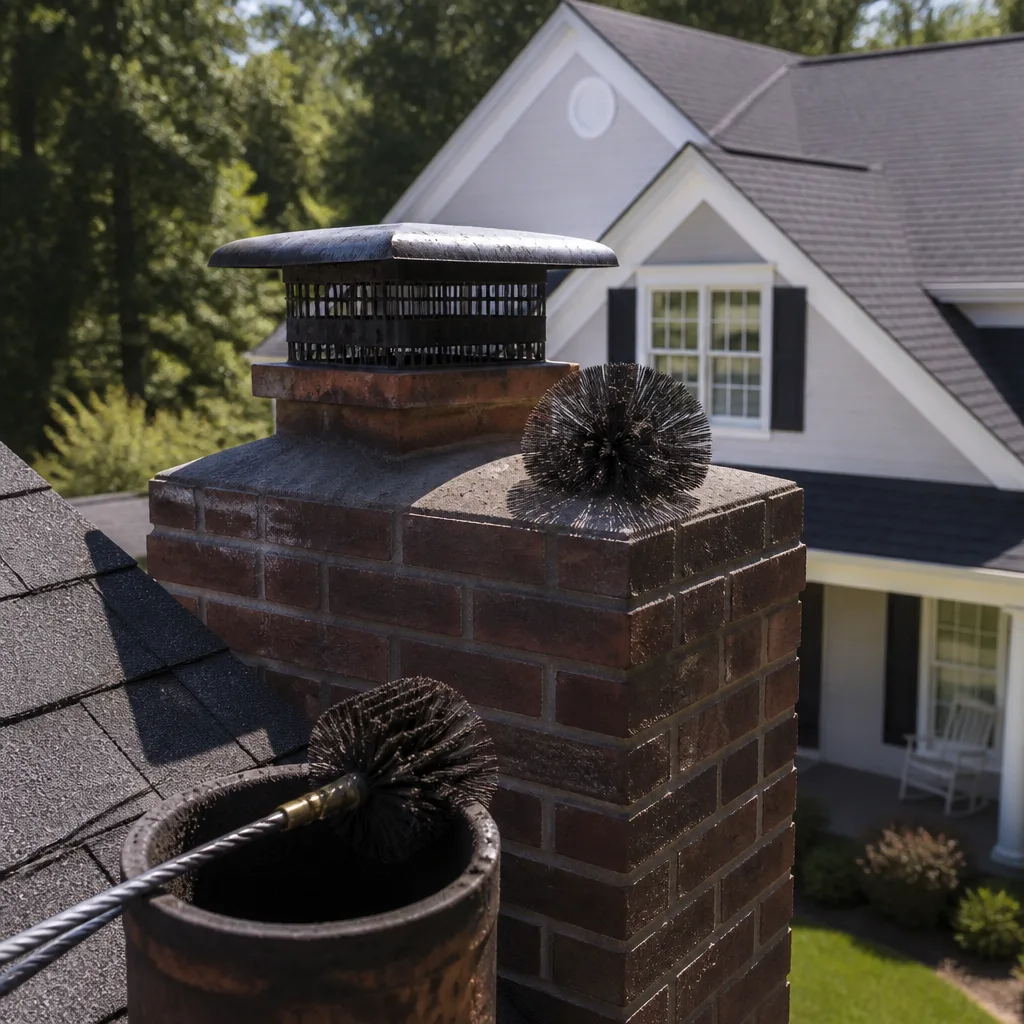
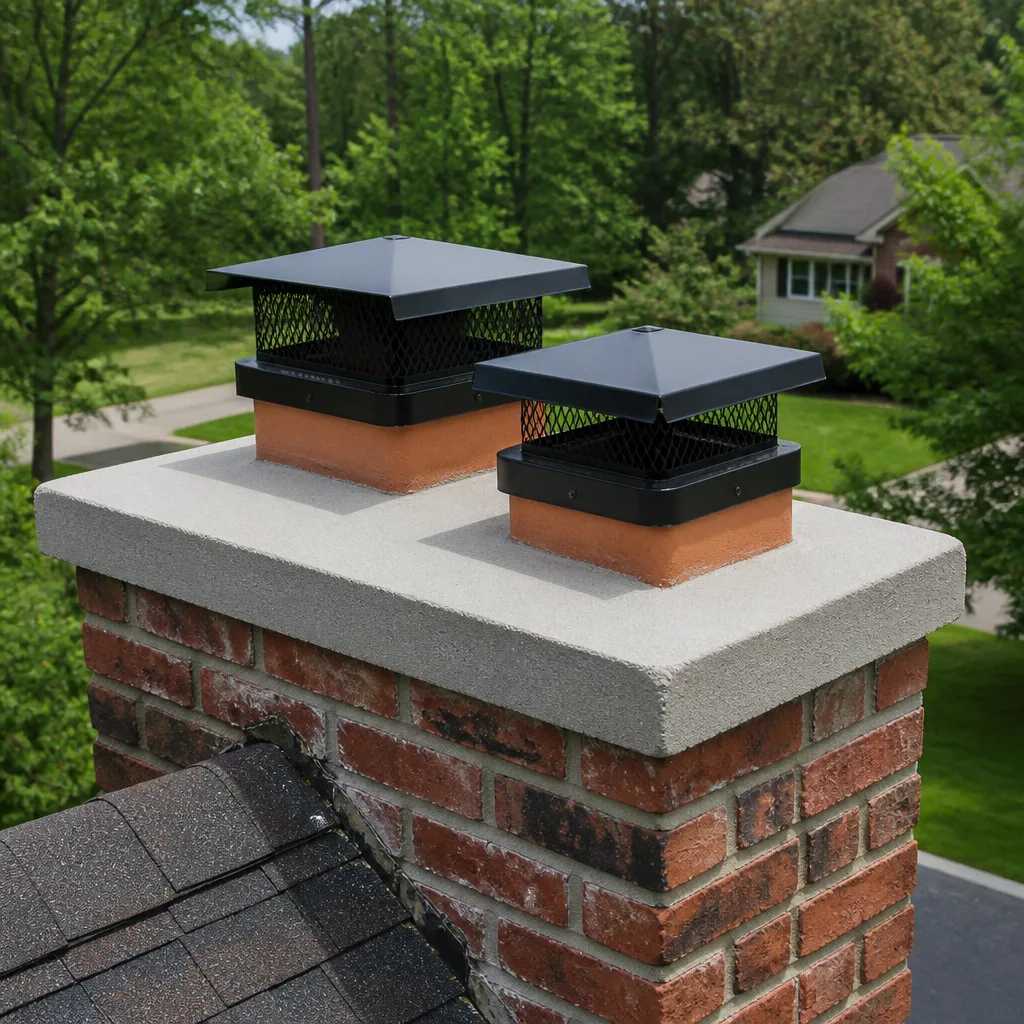
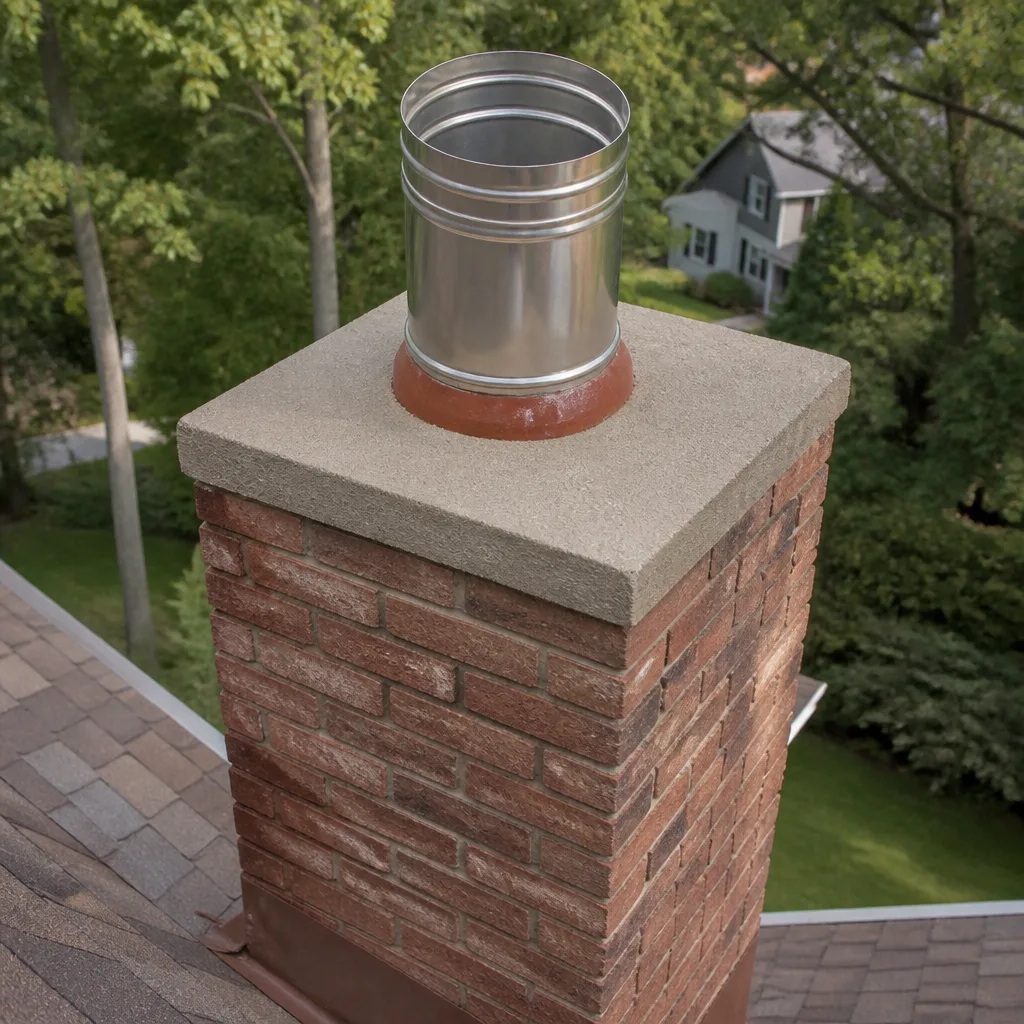
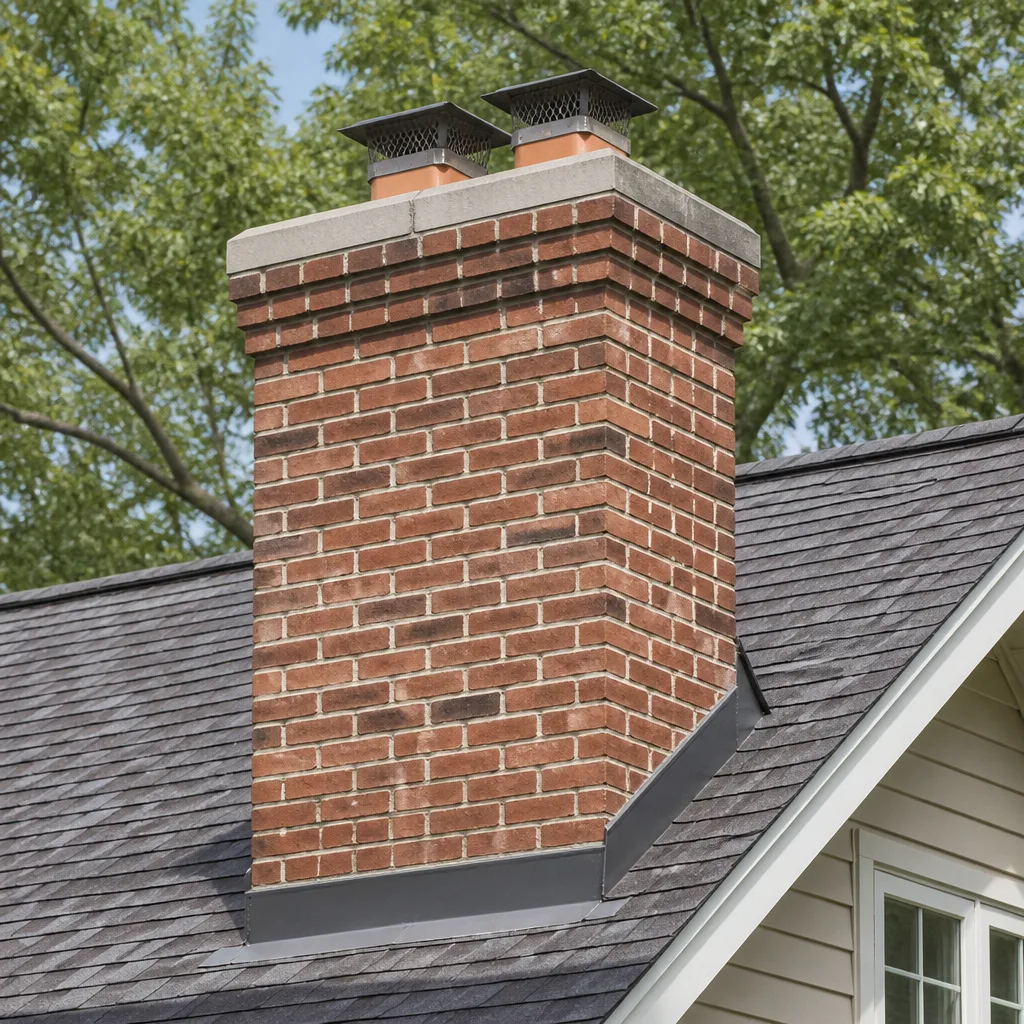
Level 1 sweep and inspection to the NFPA 211 annual standard - flue, crown, cap, and flashing checked and photographed
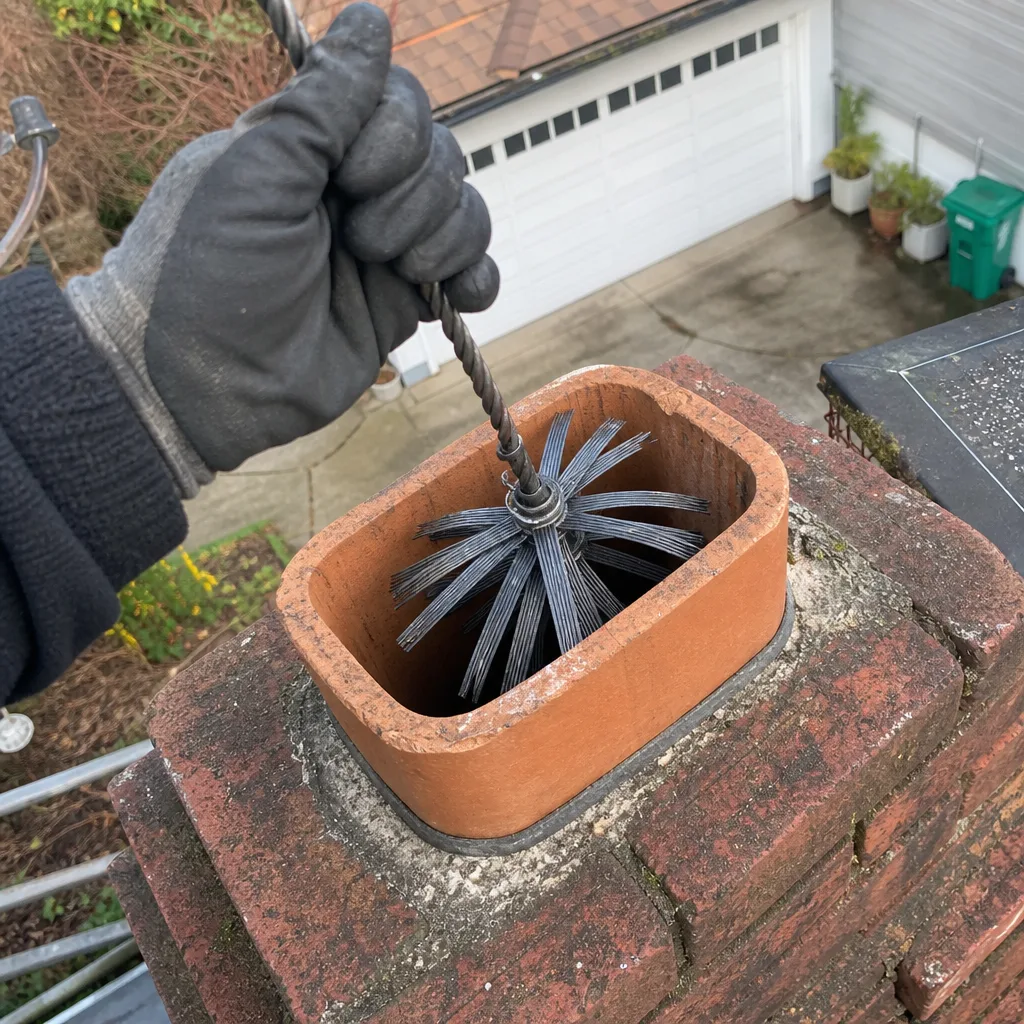
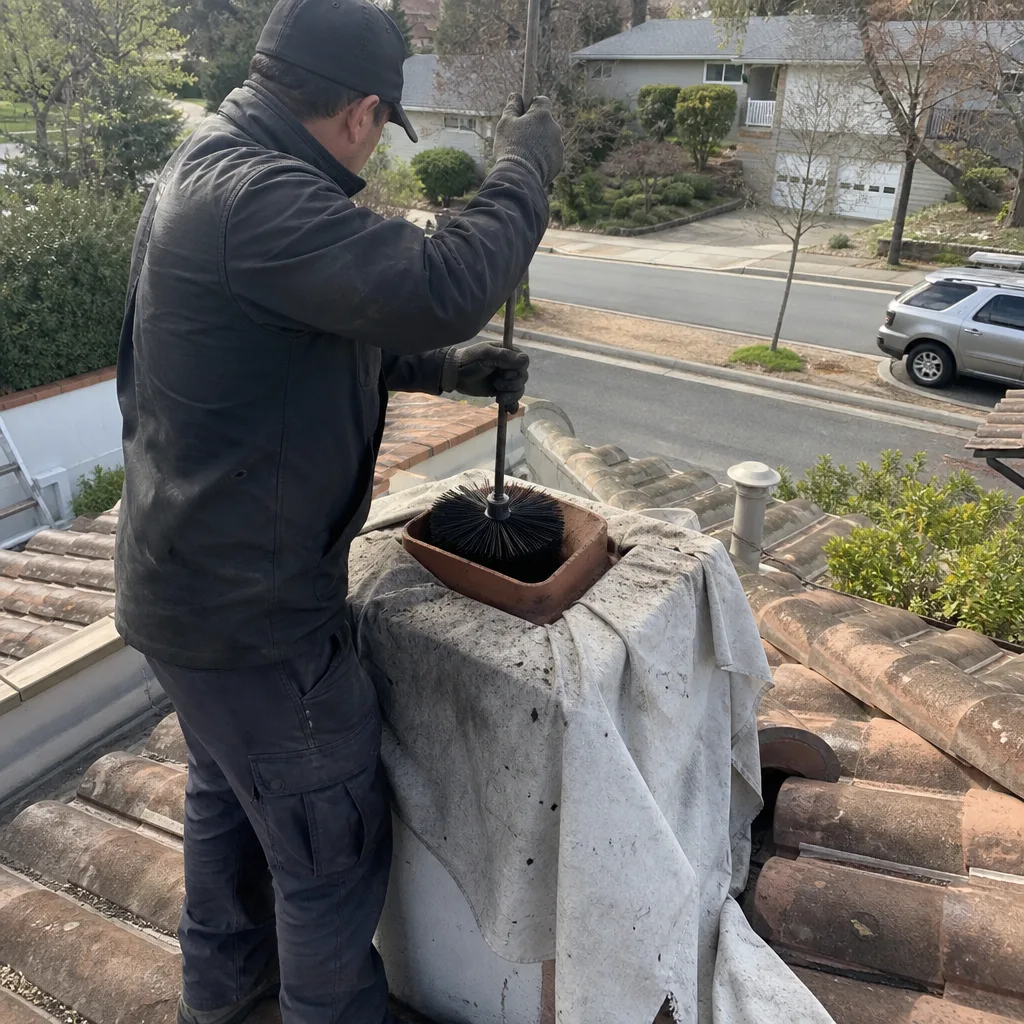
Chimney sweep logs do not sweep chimneys. They loosen some creosote - which then falls where a brush and vacuum still have to collect it.
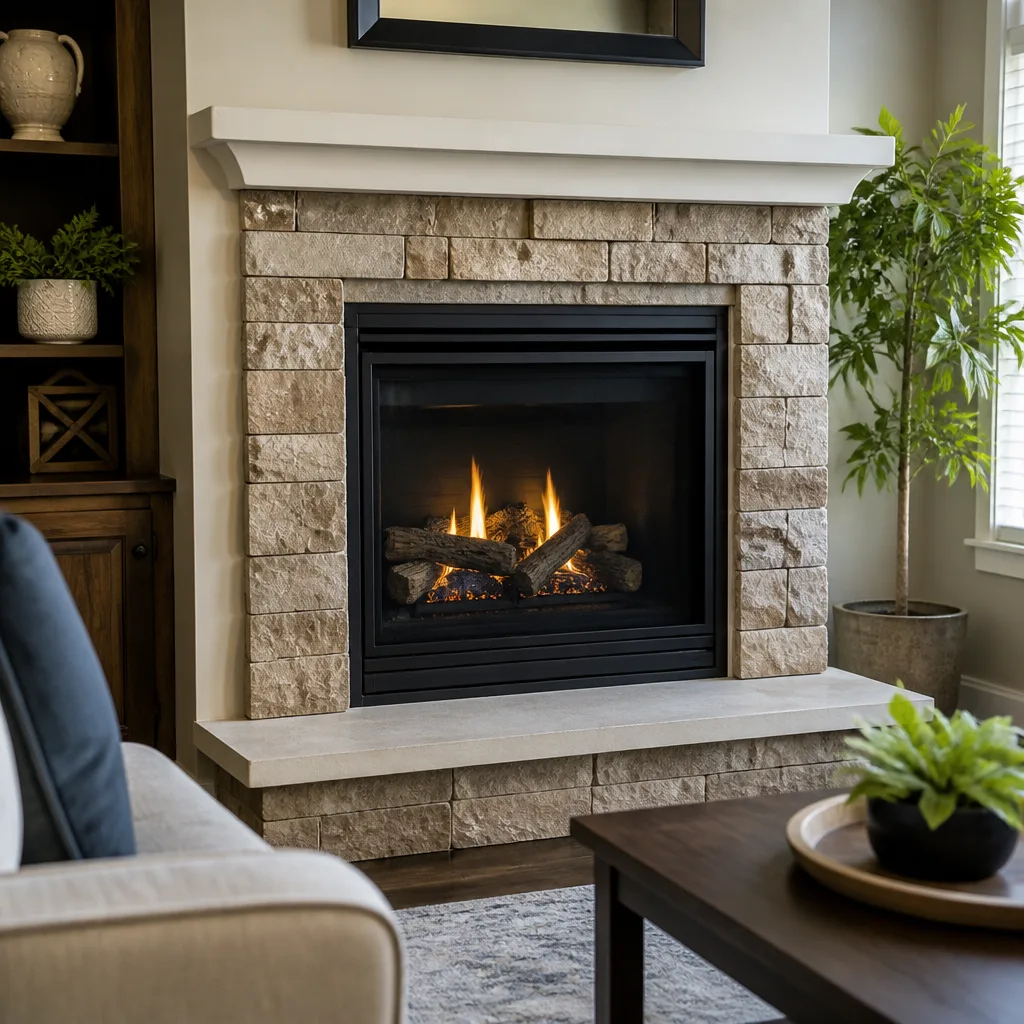
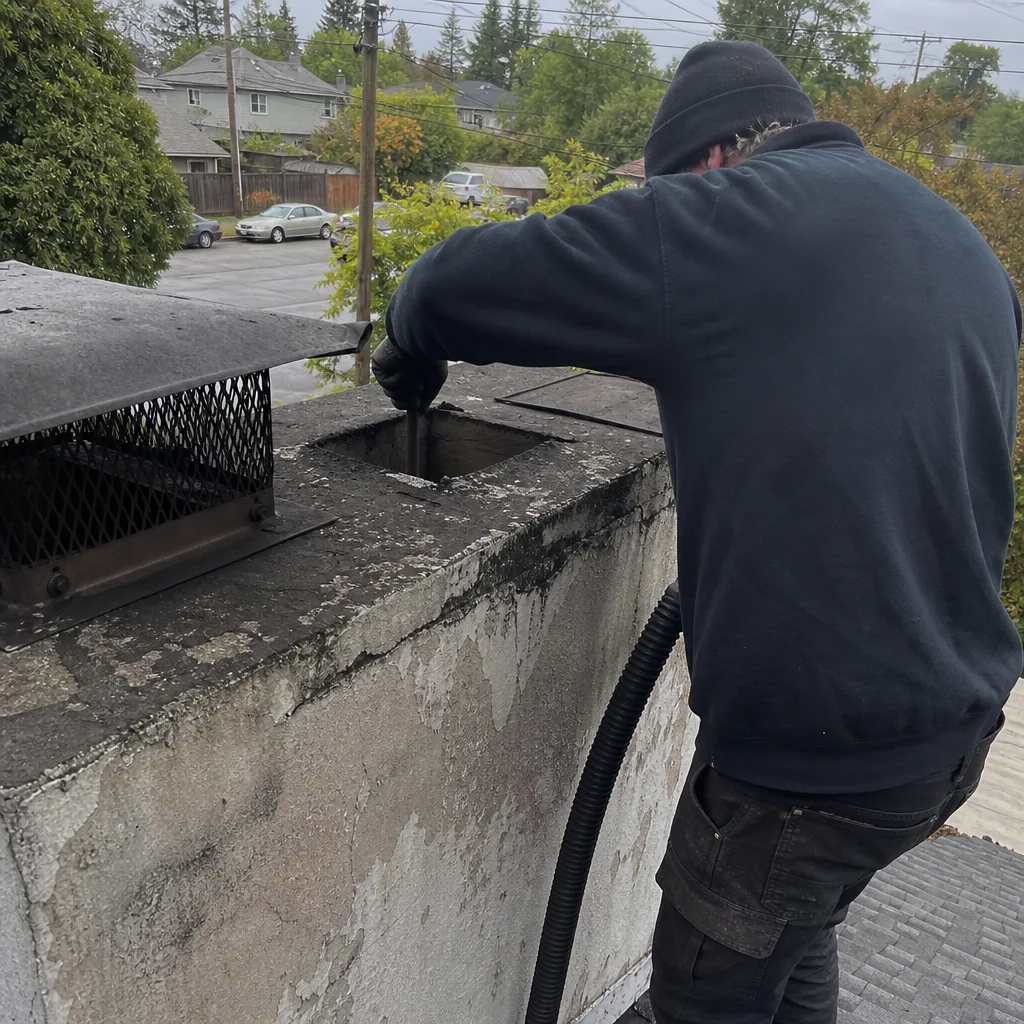 Before
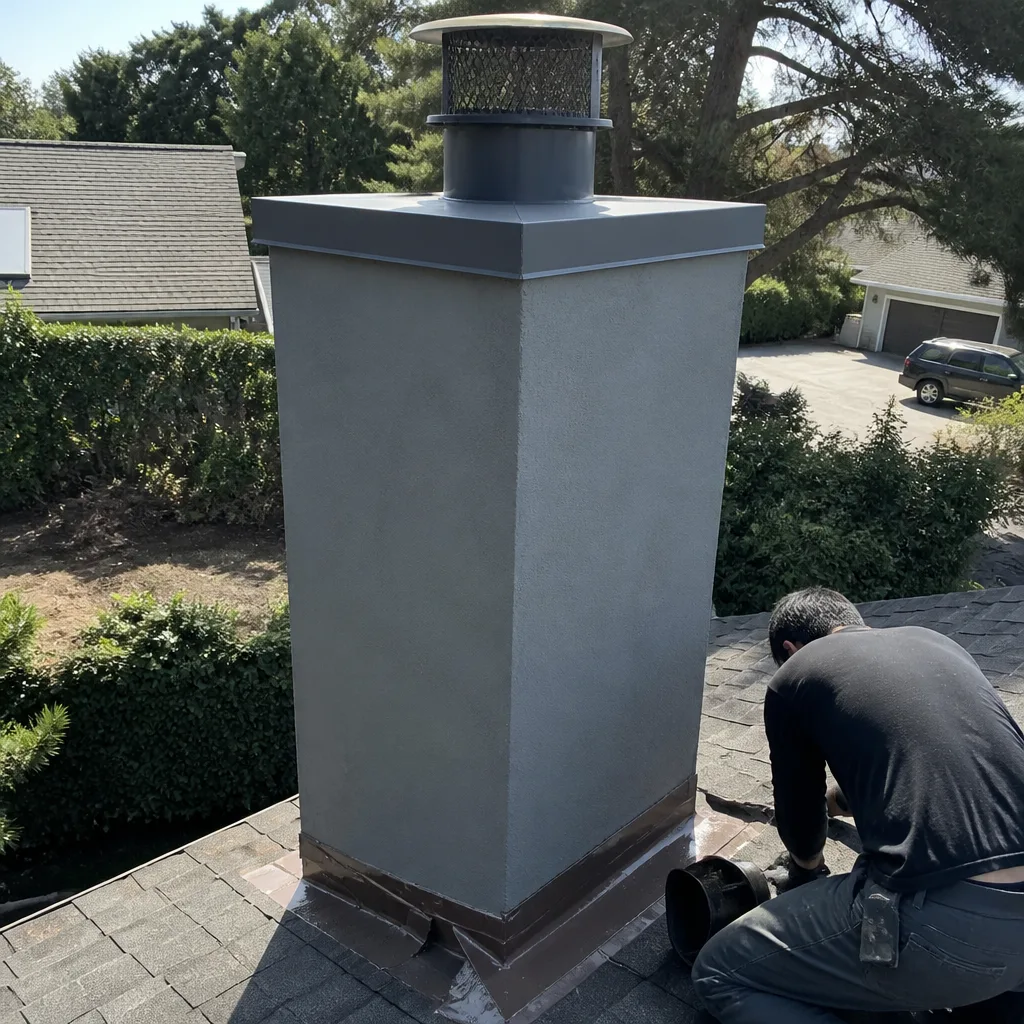 After
After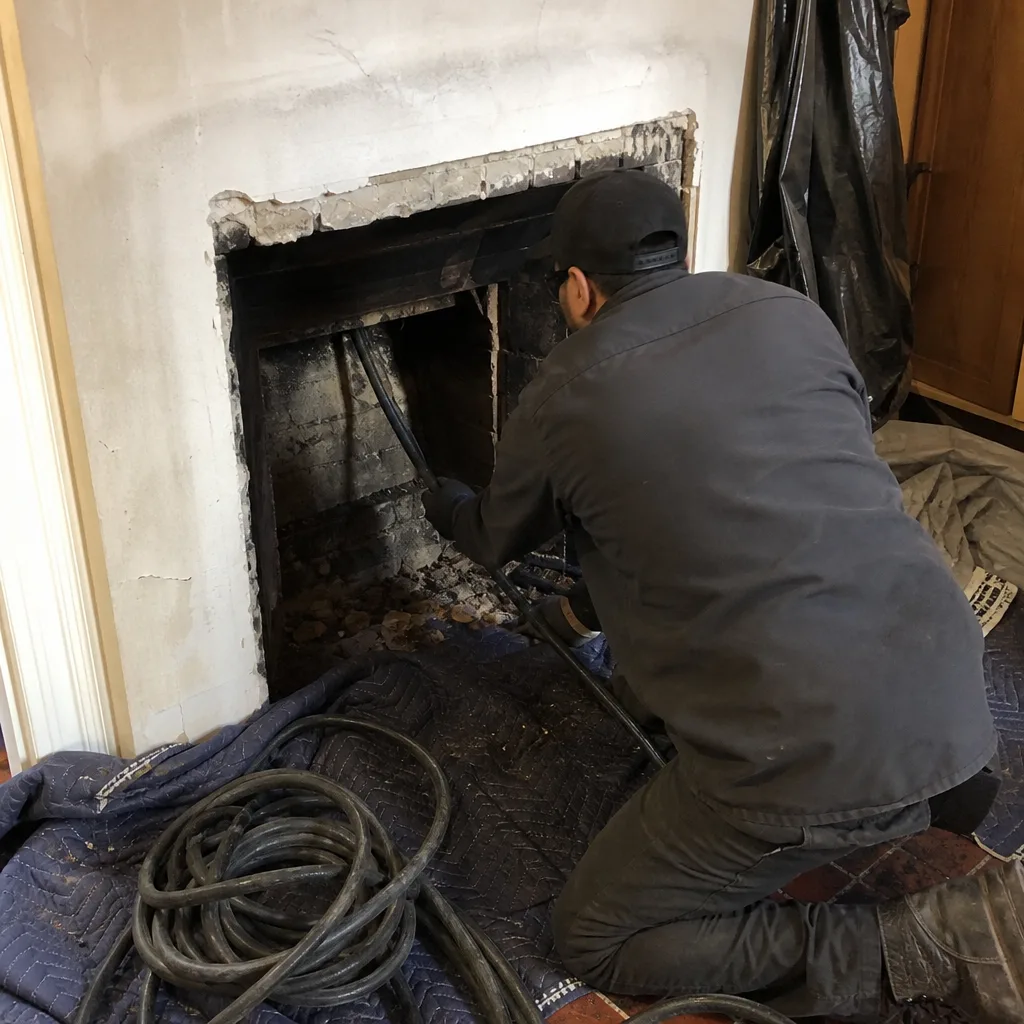 Before
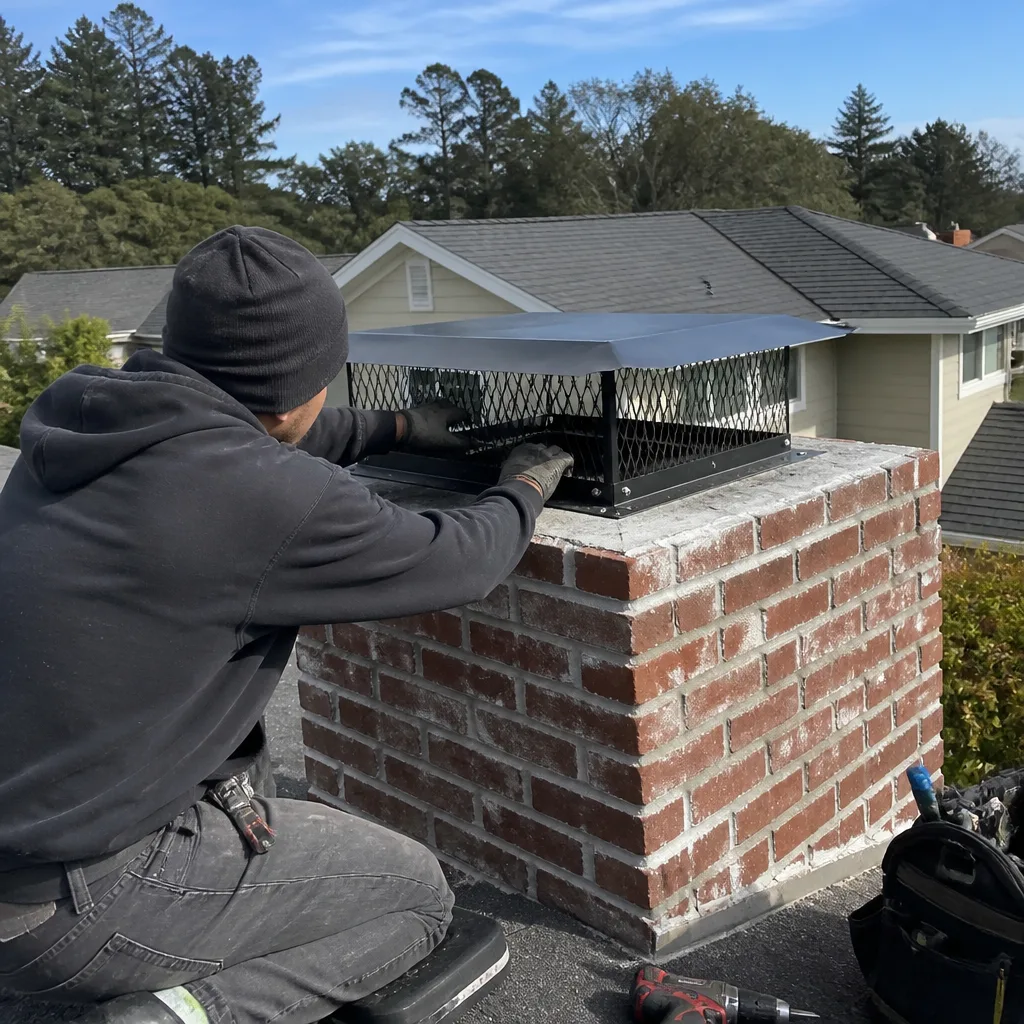 After
After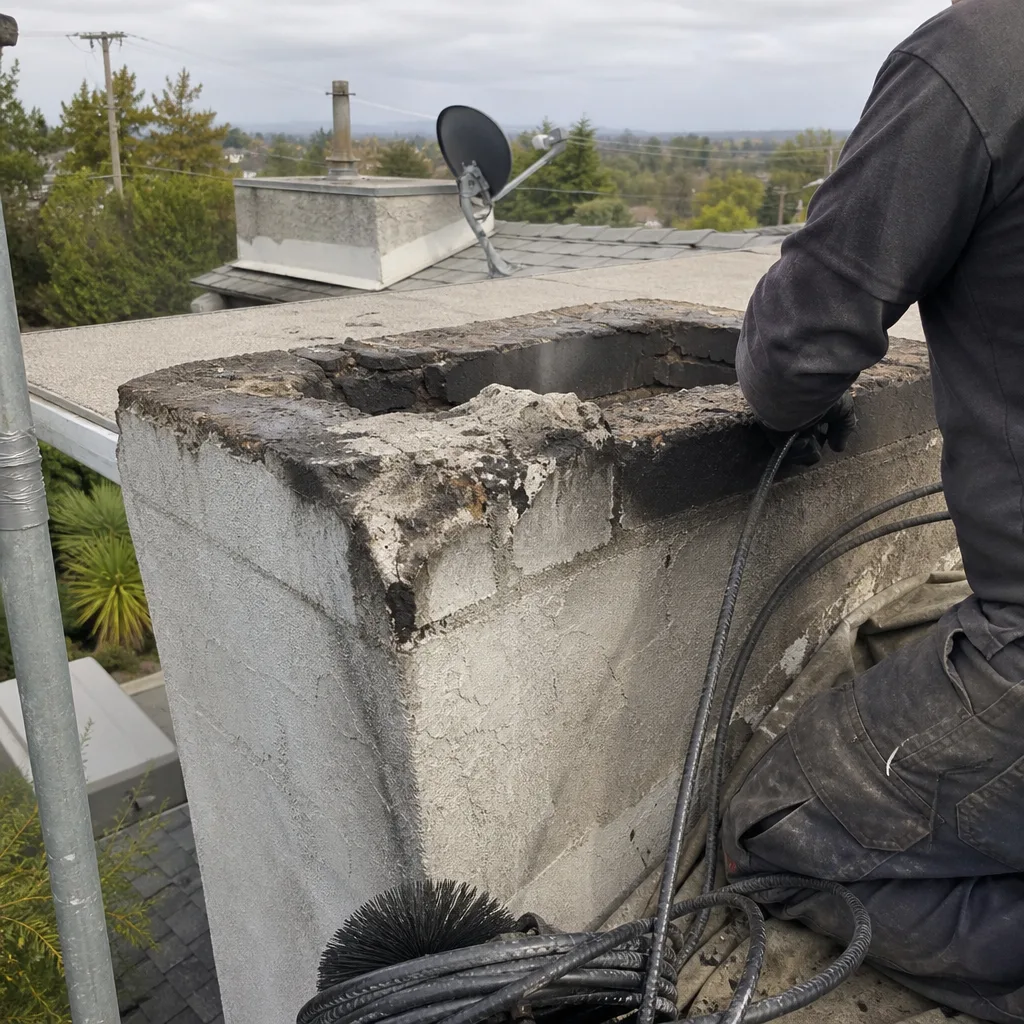 Before
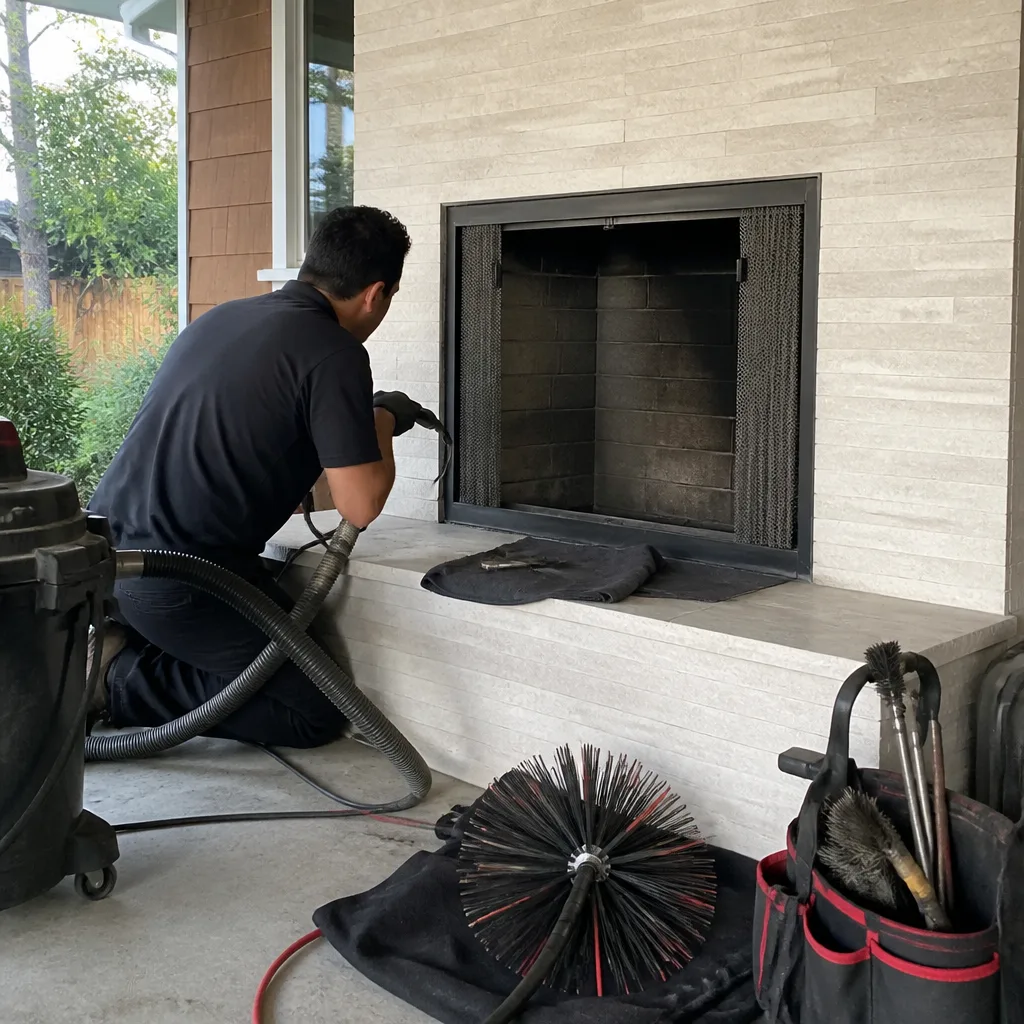 After
AfterChimney Cleaning Permits, Codes & Inspections in CA: What You Need to Know
Relining a flue in San Mateo without a permit isn’t just a code violation - it’s the specific fact pattern that causes insurers to deny chimney-fire claims, because unpermitted work voids the material warranty on the liner system. We’ve seen it twice in the last three years: a homeowner in the Baywood neighborhood paid $4,200 for a stainless relining after a chimney fire, only to have their carrier decline coverage when the adjuster pulled the permit history and found none. California’s chimney regulatory picture is genuinely fragmented - state fire code, local AHJ amendments, and NFPA standards stack on top of each other in ways that surprise homeowners only when an insurance claim or a real estate transaction forces the question. This guide maps exactly which rules apply to which type of chimney work in San Mateo County so you know what requires a permit before it requires a payout.
Quick Answer
Chimney cleaning and routine sweeping do not require permits in California, but any structural alteration - relining, crown replacement, firebox rebuild, or new construction - triggers San Mateo County building permit requirements under the California Residential Code. A Level 2 inspection (camera scan of the flue interior) is not legally mandated for maintenance, but it is the documentation standard that insurers and real estate transactions increasingly require to prove the system was safe before a loss.
Table of Contents
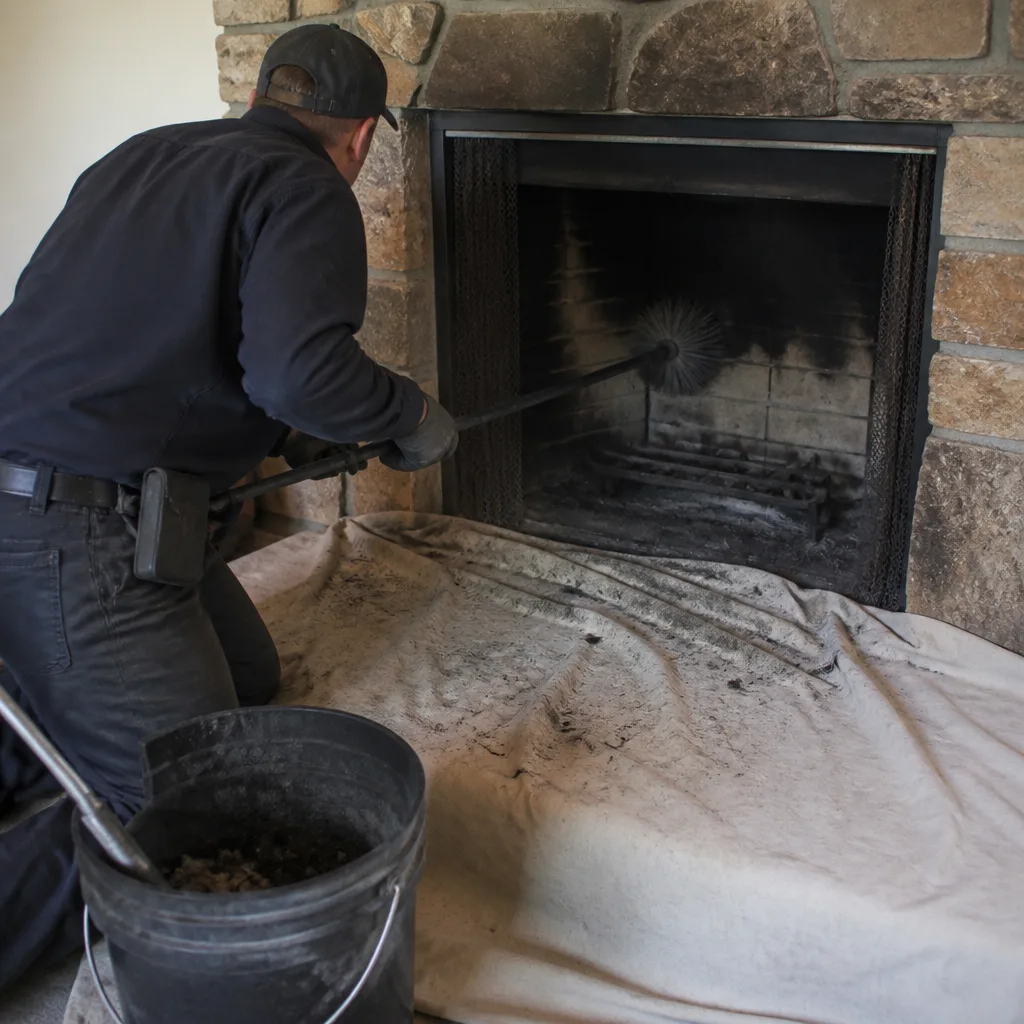
- Which Chimney Jobs Need a Permit in San Mateo County?
- How California Residential Code Chapter 10 and NFPA 211 Interact
- San Mateo’s Local AHJ: Stricter Amendments Than State Baseline
- Bay Area Air Quality Rules: How Spare-the-Air Affects Your Chimney
- The Insurance-Code Connection: Why a Level 2 Report Closes the Coverage Gap
- Real Estate Disclosure: What Sellers Must Document Under California Civil Code 1102
- NFPA 211 Inspection Levels: What Each Covers and Costs
- Common Mistakes to Avoid
- When to Call a Professional
- Frequently Asked Questions
 Before
 After
AfterWhich Chimney Jobs Need a Permit in San Mateo County?
Not everything that happens on your roof requires a trip to the building department. The line between maintenance and alteration matters enormously for permits, warranties, and insurance.
Permit-Exempt Work (Maintenance Only)
These jobs are classified as routine maintenance under San Mateo County’s interpretation of the California Residential Code and do not require a building permit:
- Chimney sweeping and cleaning - removal of soot, creosote, and debris from the flue and smoke chamber
- Cap replacement - swapping a damaged or missing rain cap for a new unit of the same size and material
- Damper repair or replacement - throat or top-mount damper work that does not alter the firebox or flue opening dimensions
- Fireplace door or screen installation - decorative or functional accessories that don’t modify combustion air supply
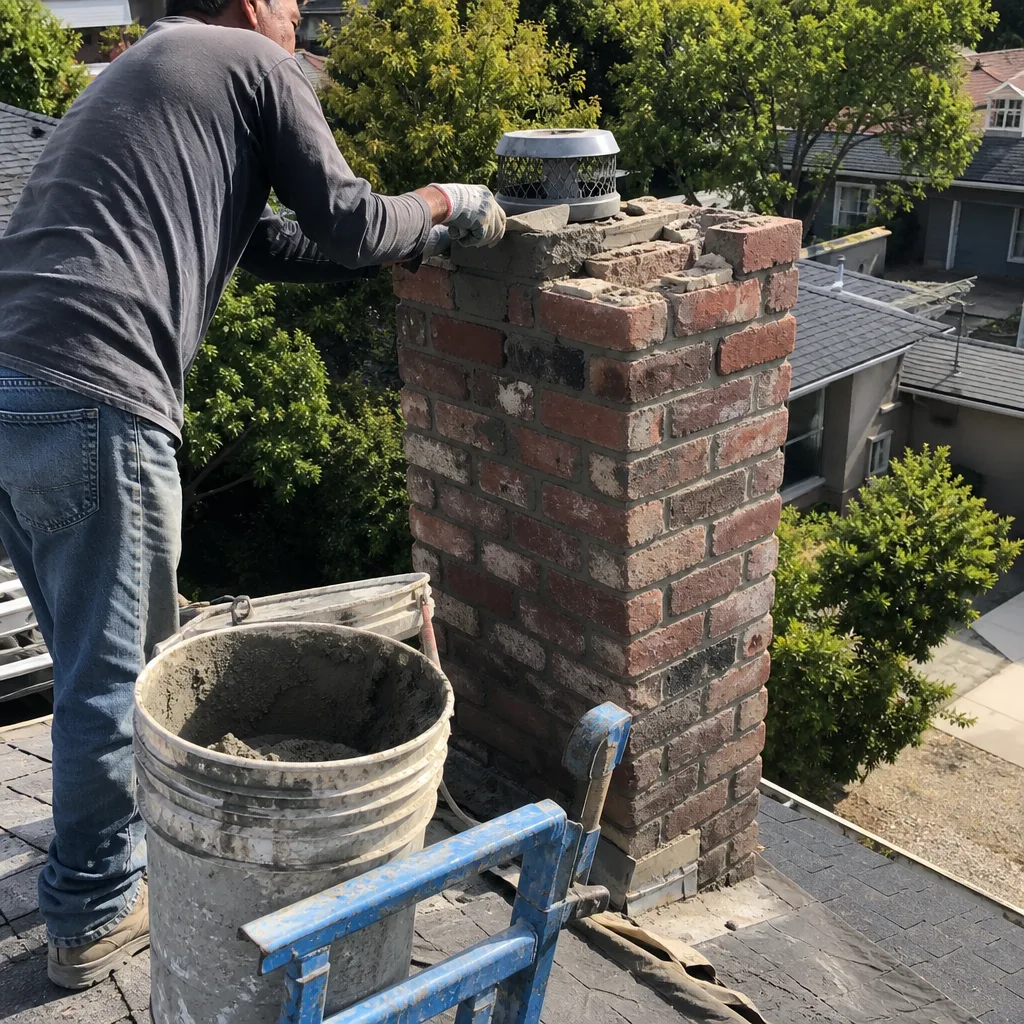
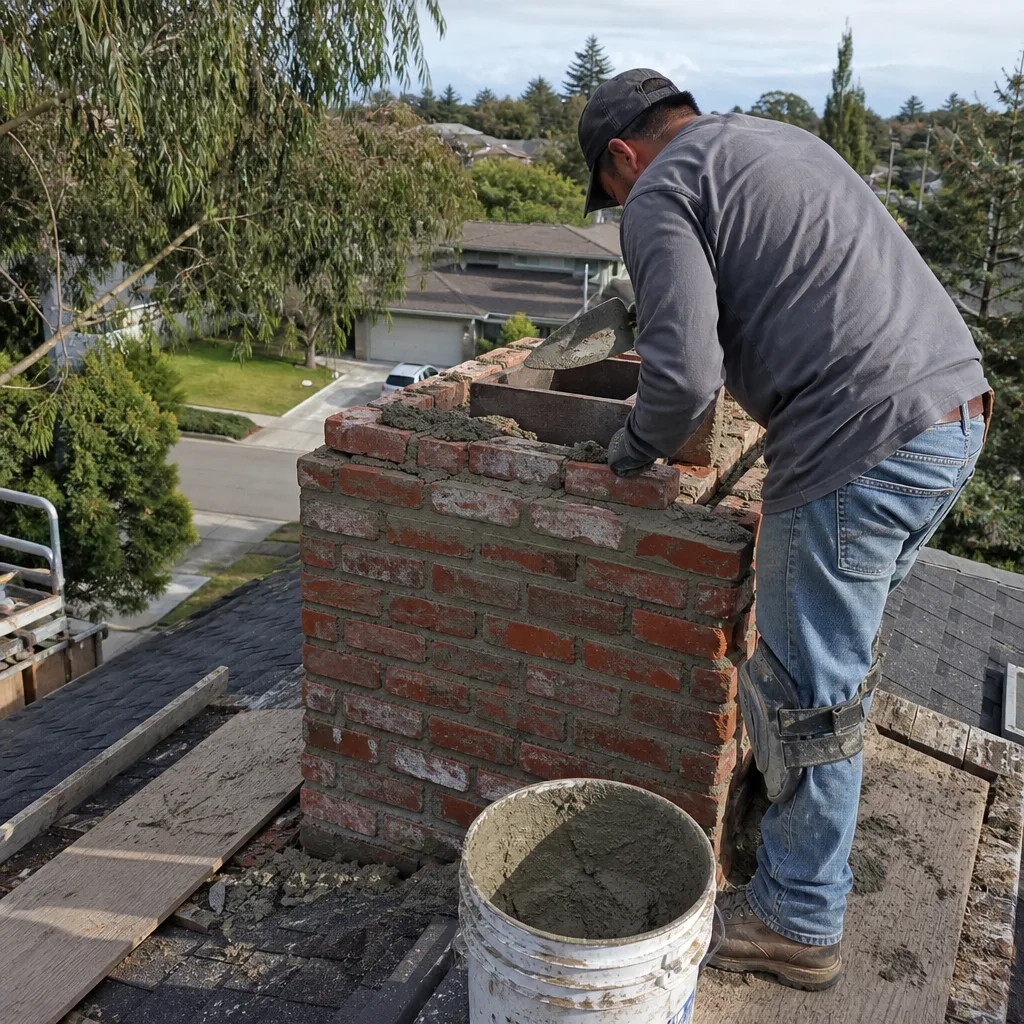
- Exterior masonry cleaning and minor tuckpointing - cosmetic repointing of mortar joints without structural rebuild
We’ve performed thousands of these maintenance visits across San Mateo, from the hillside homes in Sugarloaf to the mid-century builds near Hillsdale Mall. None required permits. What they all did require was documentation - a written scope, a written price agreed before work started, and a photo record of the completed condition. That’s Clause 1 and Clause 4 of the Haven Standard, and it’s been our practice since 2009.
Permit-Required Work (Structural Alteration)
These jobs alter the structure, capacity, or safety system of the chimney and trigger San Mateo County permit requirements:
| Job Type | Why It Requires a Permit | Typical Permit Cost in San Mateo County |
|---|---|---|
| Flue relining (stainless, aluminum, or cast-in-place) | Changes the flue’s thermal performance and clearance to combustibles; material warranties require permit documentation | $180-$420 |
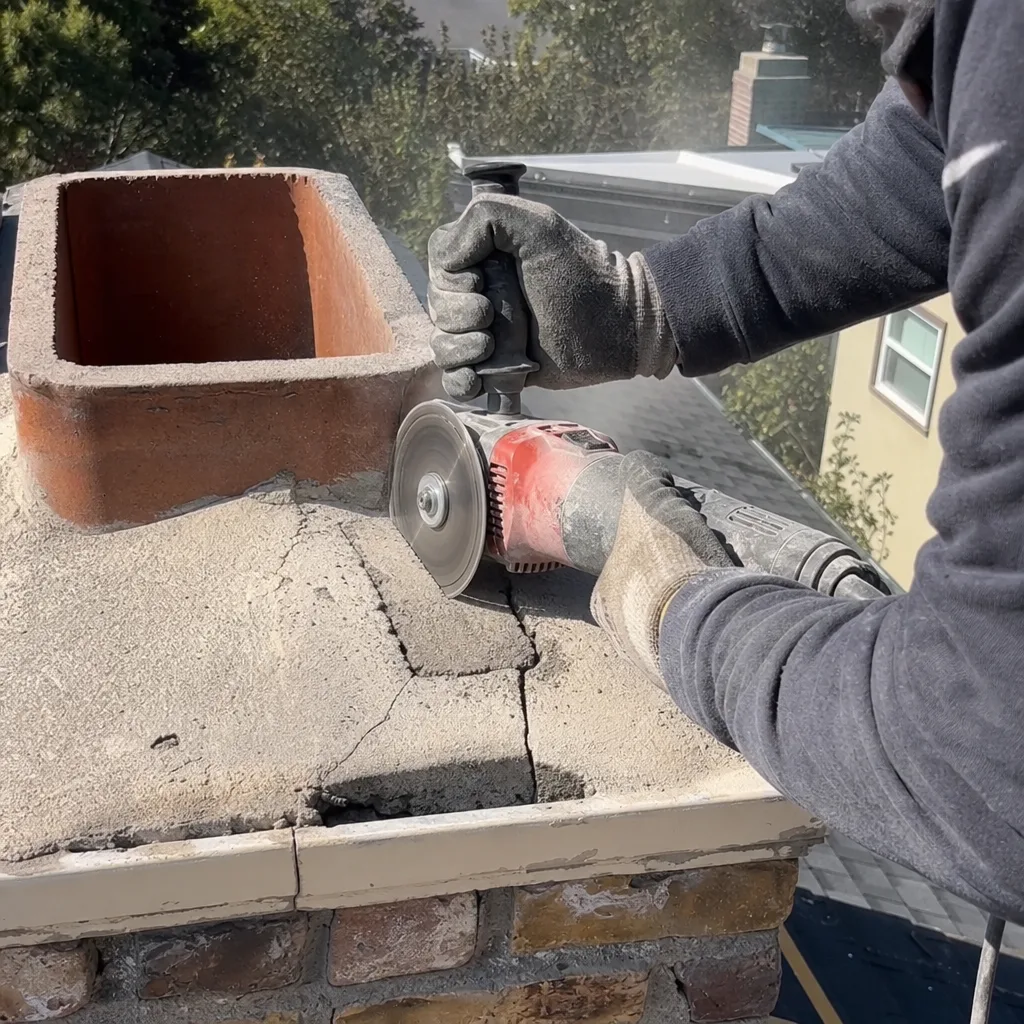
| Crown replacement or rebuild | Structural element protecting the chimney interior; altered dimensions may affect draft and water management | $120-$280 |
| Firebox rebuild or alteration | Modifies the combustion chamber dimensions and heat radiation patterns | $200-$450 |
| Chimney extension or height modification | Affects draft dynamics and may change clearance requirements under CRC Chapter 10 | $250-$500 |
| New chimney construction | Full plan review, structural engineering, and footing inspection required | $800-$2,400 |
| Thimble or connector modification for appliance change | Altered BTU input requires verification of flue capacity under NFPA 211 | $150-$320 |
The permit cost is not the issue. The issue is what happens when you skip it. In 2021, a San Mateo homeowner in the Shoreview neighborhood had a stainless steel liner installed by an unpermitted contractor using DuraFlex materials. When a chimney fire occurred eleven months later, DuraFlex honored the material warranty but the insurer denied the structural damage claim because the installation lacked AHJ approval. The homeowner absorbed $18,000 in repairs that would have been covered.
How California Residential Code Chapter 10 and NFPA 211 Interact
California doesn’t write its chimney rules from scratch. The state adopts the International Residential Code with California amendments, then layers NFPA 211 (the National Fire Protection Association’s Standard for Chimneys, Fireplaces, Vents, and Solid Fuel-Burning Appliances) as the referenced standard for design, installation, and maintenance.
Here’s how the stack actually works:
- California Residential Code (CRC) Chapter 10 governs construction, clearances, and structural requirements. It specifies minimum chimney heights, wall thicknesses, and clearance to combustibles. CRC is law - enforced by building inspectors and fire marshals.
- NFPA 211 governs maintenance, inspection frequency, and operational safety. It defines the three inspection levels (Level 1, 2, and 3) and establishes cleaning thresholds (when creosote reaches 1/8 inch thickness, cleaning is required). NFPA 211 is a standard, not a statute, but California courts treat it as the industry standard of care in negligence cases.
- California Health and Safety Code Section 13146.5 authorizes local fire marshals to enforce NFPA 211 provisions through inspection and abatement orders.
The interaction creates a gap that confuses homeowners. CRC Chapter 10 tells you how to build a chimney. NFPA 211 tells you how to maintain it and inspect it. But neither explicitly requires a homeowner to obtain a Level 2 inspection - that’s where insurance contracts, real estate agreements, and local fire marshal enforcement fill in.
In San Mateo’s climate, this gap matters more than inland. The marine layer moisture, combined with intermittent heating use (many homeowners run fireplaces only November through February), creates a freeze-thaw cycle in masonry chimneys that accelerates spalling and liner deterioration. A Level 1 inspection - the visual check from the top and bottom - simply cannot catch the lateral cracks and joint separation we regularly document in Hillsborough and Burlingame chimneys. Only a camera scan reveals them.
We’ve used Chimney Cleaning & Sweep in San Mateo as our standard service delivery since 2009, but the inspection that accompanies it is what actually protects the homeowner. That’s why we made camera documentation standard - not optional, not an upsell - on every visit.
San Mateo’s Local AHJ: Stricter Amendments Than State Baseline
San Mateo County’s Authority Having Jurisdiction (the Building Inspection Division for unincorporated areas, plus individual city building departments) has adopted amendments to the CRC baseline that affect chimney work specifically. These are not theoretical distinctions - they change what you can legally do and what documentation you must produce.
Key Local Amendments
- Mandatory seismic bracing for chimney extensions above roofline - San Mateo County requires mechanical bracing for any masonry chimney extending more than 4 feet above the roof penetration, stricter than the 5-foot threshold in base CRC. This amendment dates to post-Loma Prieta retrofit requirements and remains actively enforced.
- Spark arrestor specification for wildland-urban interface zones - Portions of San Mateo County designated as WUI (including areas near Crystal Springs Reservoir and the coastal hills) require 1/2-inch mesh spark arrestors on all solid-fuel chimneys, regardless of appliance type. Standard rain caps do not satisfy this requirement.
- Earthquake bracing documentation for real estate transfers - The County Recorder’s office flags unbraced masonry chimneys in pre-1990 construction as a required disclosure item, triggering inspection requirements that many sellers don’t anticipate.
- Enhanced clearances for zero-clearance fireplaces in multi-family construction - San Mateo’s amendment to CRC R1001.11 requires 2-inch greater clearance than state minimum for factory-built fireplaces in duplexes and townhomes, a response to local fire history.
The practical effect: a permit application for chimney work in San Mateo County undergoes plan review against both state and local amendments. Contractors who work across county lines - Santa Clara to the south, Alameda to the east - sometimes miss these differences. We’ve reviewed competitor estimates that specified standard CRC clearances that would fail San Mateo inspection, requiring costly rework.
For homeowners in specific San Mateo neighborhoods, the AHJ varies:
- City of San Mateo residents - permits through City of San Mateo Building Division, 330 W. 20th Ave.
- Unincorporated San Mateo County - permits through County Building Inspection, 555 County Center, Redwood City
- Hillsborough, Burlingame, Foster City - separate municipal building departments with their own fee schedules and inspection protocols
We maintain current permit expediter relationships with each jurisdiction. On relining jobs, we pull permits as a standard part of project management - not billed separately, not left to the homeowner to navigate.
Bay Area Air Quality Rules: How Spare-the-Air Affects Your Chimney
The Bay Area Air Quality Management District (BAAQMD) operates under authority delegated by the California Air Resources Board, and its rules intersect with chimney maintenance in ways that surprise homeowners who assume their fireplace is purely a personal choice.
Rule 6-3: Wood-Burning Device Standards
BAAQMD Rule 6-3 applies to all wood-burning devices in the nine-county Bay Area, including San Mateo County. The rule has three operative provisions:
- New installation prohibition - No new wood-burning fireplaces or stoves may be installed in new construction or as replacements in existing buildings, with limited exceptions for EPA-certified pellet stoves and certain retrofit situations.
- Visible emissions standard - Any operating wood-burning device must not produce visible emissions exceeding 20% opacity for more than 3 minutes in any hour. This is the standard BAAQMD inspectors enforce during complaint-driven inspections.
- Spare-the-Air alerts - On declared Winter Spare-the-Air days (typically November 1 through February 28), burning wood, manufactured fire logs, or pellets is prohibited countywide, with fines starting at $100 for first violations.
The maintenance connection: a dirty chimney or malfunctioning appliance is far more likely to produce visible emissions that trigger Rule 6-3 violations. We’ve documented this directly - chimneys with Class III glazed creosote (the hard, tar-like deposit that forms from slow, low-temperature burning) routinely fail opacity standards because the restricted flue forces incomplete combustion.
What BAAQMD Inspectors Can Request
Under California Health and Safety Code Section 41510, BAAQMD inspectors have broad authority to inspect wood-burning devices and request documentation. Specifically:
- Proof of EPA certification for any installed stove or insert (manufacturer label or documentation)
- Service records demonstrating maintenance frequency
- Inspection reports from qualified chimney professionals
- Photographic documentation of flue condition
We include BAAQMD-compliant documentation as standard on every Fireplace Services in San Mateo visit. The photo record, dated service notation, and written scope satisfy inspector requests we’ve encountered in San Mateo’s North Central neighborhood and the Baywood-Aragon area.
The Spare-the-Air program also creates a seasonal maintenance imperative. Many San Mateo homeowners defer chimney cleaning until October, then find themselves unable to burn legally on the first cold snap because their system needs service. We schedule heavier in September and early October specifically to avoid this bottleneck - another reason our live phone support runs 24/7, so homeowners can book before the rush.
The Insurance-Code Connection: Why a Level 2 Report Closes the Coverage Gap
California Insurance Code Section 530 prohibits insurers from denying claims based on negligence unless the negligence was the proximate cause of the loss. In plain terms: your carrier can’t deny a chimney fire claim just because you hadn’t swept the flue in three years, unless they can prove the unswept condition directly caused the fire.
But insurers have developed a parallel strategy that Section 530 doesn’t block: warranty and compliance exclusions. Here’s how it works in practice.
The Three Exclusion Pathways
- Material warranty voidance - Stainless steel liner manufacturers (including DuraFlex, one of our specified suppliers) require installation per NFPA 211 and local code, with permit documentation, for warranty coverage. Unpermitted installation voids the liner warranty, and insurers then exclude “defective materials” claims.
- Maintenance condition exclusions - Many California homeowner policies now include chimney-specific endorsements requiring “regular professional inspection and cleaning.” The definition of “regular” is typically annual for wood-burning systems, but insurers increasingly specify Level 2 inspection (camera scan) rather than Level 1.
- Real estate disclosure failures - When a chimney fire occurs within two years of a home purchase, insurers investigate whether the seller disclosed known defects. A missing or inadequate disclosure shifts liability, and the buyer’s failure to obtain independent inspection becomes contributory negligence.
The Level 2 inspection report is the document that closes these gaps. It establishes:
- The flue condition at a specific date, with photographic evidence
- Professional opinion on safety and recommended action
- Compliance with NFPA 211 inspection standards
- Documentation of permit status for any prior work
We’ve testified in two insurance disputes in San Mateo County superior court - both times, the presence or absence of a Level 2 report determined whether the homeowner had a defensible position. In one case, a San Mateo Highlands homeowner’s report from 2019 documented a cracked flue liner that the seller’s disclosure had omitted. The insurer initially denied, then settled when the report established pre-existing defect and disclosure failure.
This is why Clause 4 of the Haven Standard requires a photo record on every job. Not for our convenience - for your evidence file.
Real Estate Disclosure: What Sellers Must Document Under California Civil Code 1102
California Civil Code Section 1102 requires sellers to disclose material facts affecting property value or desirability. Chimney condition has been explicitly held to qualify in multiple California appellate decisions, most notably Loughrin v. Superior Court (1993) and subsequent real estate commission enforcement actions.
The Transfer Disclosure Statement (TDS) Requirements
Sellers must complete the statutory TDS, which includes:
- Heating equipment condition (Section C)
- Fireplace presence and operational status
- Known defects in any structural component
The TDS does not explicitly list “chimney” as a line item, but California courts have consistently interpreted “heating equipment” and “structural component” to include chimney systems. A seller who knows of a cracked liner, deteriorated crown, or previous chimney fire and fails to disclose faces:
- Rescission of the sale
- Damages for repair costs and consequential damage
- Attorney fees under Civil Code Section 1717
- Potential real estate license discipline for agents who failed to advise disclosure
What a Buyer’s Level 2 Inspection Should Contain
Escrow officers in San Mateo County increasingly require specific chimney documentation before closing, particularly for homes built before 1990. A buyer-protective Level 2 inspection report should include:
- Exterior condition assessment - crown integrity, cap presence and specification, masonry spalling or efflorescence, flashing condition
- Interior flue camera scan - full-length video or sequential stills showing all flue surfaces, joints, and any offsets
- Smoke chamber evaluation - parging condition, clearance measurements, corbelled brick assessment
- Firebox condition - refractory panel integrity, hearth extension dimensions, damper operation
- Clearance verification - measured distances to combustibles compared against CRC and manufacturer specifications
- Appliance connection documentation - proper connector type, support, and thimble condition
- Written findings and recommendations - prioritized repair needs with safety implications distinguished from maintenance items
- Permit history verification - confirmation that prior modifications were properly permitted, or flag if unpermitted work is detected
We provide this full documentation package on every Chimney Repair in San Mateo estimate. For real estate transactions, we can typically schedule within 48 hours and deliver the report within 24 hours of inspection - critical for contingency timelines.
In the San Mateo market specifically, we’ve noted increased scrutiny from title insurers on hillside properties (Sugarloaf, Baywood, parts of San Mateo Park) where chimney condition affects wildfire risk ratings. A documented Level 2 inspection with clear findings can prevent last-minute escrow delays that kill deals.
NFPA 211 Inspection Levels: What Each Covers and Costs
NFPA 211 defines three inspection levels, and understanding the distinction prevents both under-protection and overspending.
| Level | Scope | When Required | Typical Cost in San Mateo |
|---|---|---|---|
| Level 1 | Visual inspection of readily accessible portions: exterior, firebox, damper, flue top. No tools, no camera, no roof penetration beyond standard access. | Annual maintenance when no changes have been made to the system and no problems are suspected. | $85-$150 |
| Level 2 | Level 1 plus internal camera scan of the flue, smoke chamber access, attic inspection of clearances where accessible, and examination of appliance connections. May require specialized tools and roof access equipment. | Real estate transactions, after chimney fire or operational incident, upon sale or transfer of property, after weather damage or seismic event, when changing fuel type or appliance. | $250-$425 |
| Level 3 | Level 2 plus demolition of building components (wall, chimney surround, or masonry) to inspect concealed portions. Destructive and invasive. | When Level 2 indicates hidden hazard that cannot be evaluated otherwise, or after serious incident where structural failure is suspected. | $800-$2,500+ (plus repair) |
Our position, established in 2009 and now codified as Clause 4 of the Haven Standard: every chimney we touch gets at least Level 2 documentation. The camera scan takes 15 minutes. The photo record becomes your permanent file. The cost difference between Level 1 and Level 2 is typically less than $200 - less than one month’s homeowner insurance premium, and potentially the difference between coverage and denial.
We’ve completed more than 38,000 chimney inspections and cleanings since 2009. For more guides & resources on protecting your home, see our blog. Every one had a written price before work started and a documented record when done. That volume matters because it means we’ve seen the full range of San Mateo chimney conditions: the salt-air corrosion on caps near Highway 92, the seismic cracking in 1920s masonry in the Central District, the improperly vented inserts installed during the 1980s energy crisis. Pattern recognition from that volume is what lets us flag problems that less experienced inspectors miss.
Common Mistakes to Avoid
- Assuming cleaning and inspection are the same thing. A sweep removes creosote. An inspection evaluates safety. Many San Mateo homeowners book a “chimney cleaning” and assume the technician evaluated the liner - they didn’t, unless a camera was used. Always confirm whether your service includes Level 2 inspection or only Level 1 visual check.
- Pulling a permit yourself for contractor work. In San Mateo County, the licensed contractor who performs the work should pull the permit as the responsible party. An owner-pulled permit shifts liability incorrectly and may void contractor insurance coverage if something goes wrong.
- Accepting a liner installation without permit documentation. DuraFlex, HeatShield, and other major liner manufacturers require AHJ permit for warranty validity. If your contractor says permits “aren’t needed for relining,” they’re either misinformed or cutting corners - either way, find another contractor.
- Burning on Spare-the-Air days without checking. San Mateo’s marine climate means temperature inversions trap particulate matter; BAAQMD calls alerts more frequently than inland counties. Sign up for alert notifications at sparetheair.org, or install the app. Fines escalate quickly for repeat violations.
- Skipping inspection before selling. California’s disclosure liability is strict, and San Mateo’s competitive real estate market means buyers are represented by agents who know to request chimney documentation. A pre-listing Level 2 inspection lets you address issues on your timeline, not under escrow pressure.
- Using “chimney sweep” and “chimney inspector” interchangeably. In California, these are not regulated titles. Anyone can call themselves a sweep. NFPA 211 certification (CSIA, NFI, or equivalent) is the credential that matters. Verify it, and verify it’s current.
- Ignoring seismic bracing on pre-1990 masonry chimneys. San Mateo County’s local amendment is actively enforced, and unbraced chimneys are flagged in disclosure databases. The retrofit cost ($800-$1,800) is minor compared to escrow delays or insurance issues.
When to Call a Professional
Call a certified chimney professional when: you’re buying or selling a home and need documentation for escrow; you’ve had a chimney fire, even a small one; your fireplace smokes into the room, smells unusually, or shows visible creosote flakes in the firebox; you’re changing appliances or fuel types; or you can see cracks, spalling, or water damage on the exterior masonry.
In San Mateo specifically, call before burning season starts - the October rush books fast, and Spare-the-Air restrictions can leave you without heat if your system needs unexpected repair. Level Two Chimney San Mateo home offers free estimates throughout San Mateo County. We’ll provide a written scope, a written price, and a written warranty before any work begins, and every visit includes the camera-scan documentation that’s been our standard since 2009. Call (650) 600-3117 to schedule.
Frequently Asked Questions
A standard chimney sweep in San Mateo typically runs $150-$280 for a Level 1 service, and $250-$425 when bundled with a Level 2 camera inspection. The variation depends on roof access difficulty, flue condition, and whether creosote removal requires mechanical treatment rather than standard brushing. We deliver a written price before work starts on every job - no exceptions, no surprises. Call (650) 600-3117 for an exact quote; estimates are free.
You need a new liner when the existing one is cracked, separated, or missing, because the liner is the barrier that contains combustion gases and prevents house fires. We don’t recommend liner replacement without camera evidence you can see for yourself - that’s Clause 4 of the Haven Standard. In some cases, minor cracks can be addressed with HeatShield cerfractory sealant rather than full relining, which changes the cost significantly. The camera scan lets us tell you which category you’re in. Call (650) 600-3117 to schedule.
NFPA 211 recommends annual inspection for all solid-fuel systems, with cleaning when creosote reaches 1/8 inch thickness. In San Mateo’s marine climate, where intermittent use and moisture create ideal conditions for glazed creosote formation, we find many wood-burning systems need cleaning every 1-2 burning seasons rather than annually. Gas systems typically need less frequent cleaning but still require inspection for venting integrity and debris obstruction. The only way to know your specific condition is camera inspection.
Skipped maintenance leads to creosote accumulation, which restricts flue flow and increases chimney fire risk. A chimney fire can reach 2,000°F, cracking liners and allowing flames to reach combustible framing. Beyond fire risk, deteriorated chimneys can leak carbon monoxide into living spaces - odorless, colorless, and potentially fatal. In San Mateo, we’ve also seen moisture intrusion from failed crowns destroy fireboxes and adjacent framing, turning a $400 crown repair into a $12,000 reconstruction. Maintenance is cheaper than every alternative.
Yes. Gas fireplaces require annual inspection of the venting system, burner operation, and safety controls. Debris, insect nests, and vent deterioration occur regardless of use frequency. In San Mateo’s coastal areas, we’ve found salt-air corrosion of vent terminals and moisture damage to control compartments in “never used” gas fireplaces. The inspection is quick; the consequences of missed deterioration are not.
BAAQMD allows exemptions for homes where wood-burning is the sole source of heat, but you must register the exemption in advance and the device must be EPA-certified. Most San Mateo homes have central heating, so this exemption rarely applies. Pellet stoves are generally exempt from Spare-the-Air restrictions. Check current alert status at sparetheair.org before burning - enforcement includes patrols and neighbor complaints, and fines start at $100.
The Bottom Line
California’s chimney regulations layer state code, local amendments, air quality rules, and insurance requirements into a system that rewards documentation and punishes assumptions. Cleaning doesn’t need a permit, but relining does - and skipping that permit can void your liner warranty when you need it most. A Level 2 inspection with camera documentation isn’t legally required for routine maintenance, but it’s the standard that protects you in insurance claims, real estate transactions, and enforcement actions. In San Mateo’s specific regulatory environment, with its seismic amendments, BAAQMD rules, and disclosure-conscious real estate market, the homeowners who fare best are those who have records before they’re asked for them.
We’ve built our practice on that principle since 2009: written price before work starts, documented photo record on every visit, and the 365-Day Done Right Promise backing it all. That’s the Haven Standard, and it’s how we’ve completed more than 38,000 chimney services without a single “call for pricing” or “trust us” in the file.
Written by Corrine Halstead, Owner at Level Two Chimney San Mateo, serving San Mateo since 2009.