
Last updated September 22, 2026
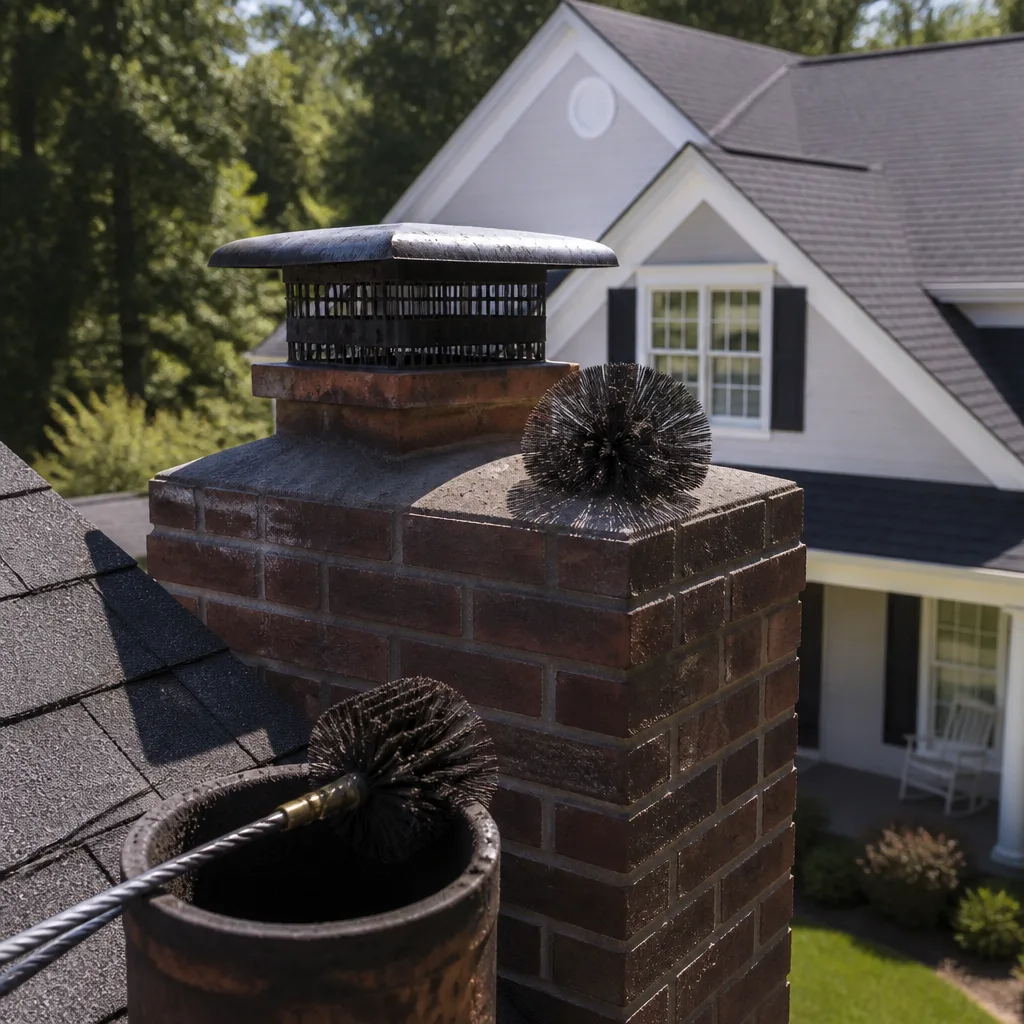
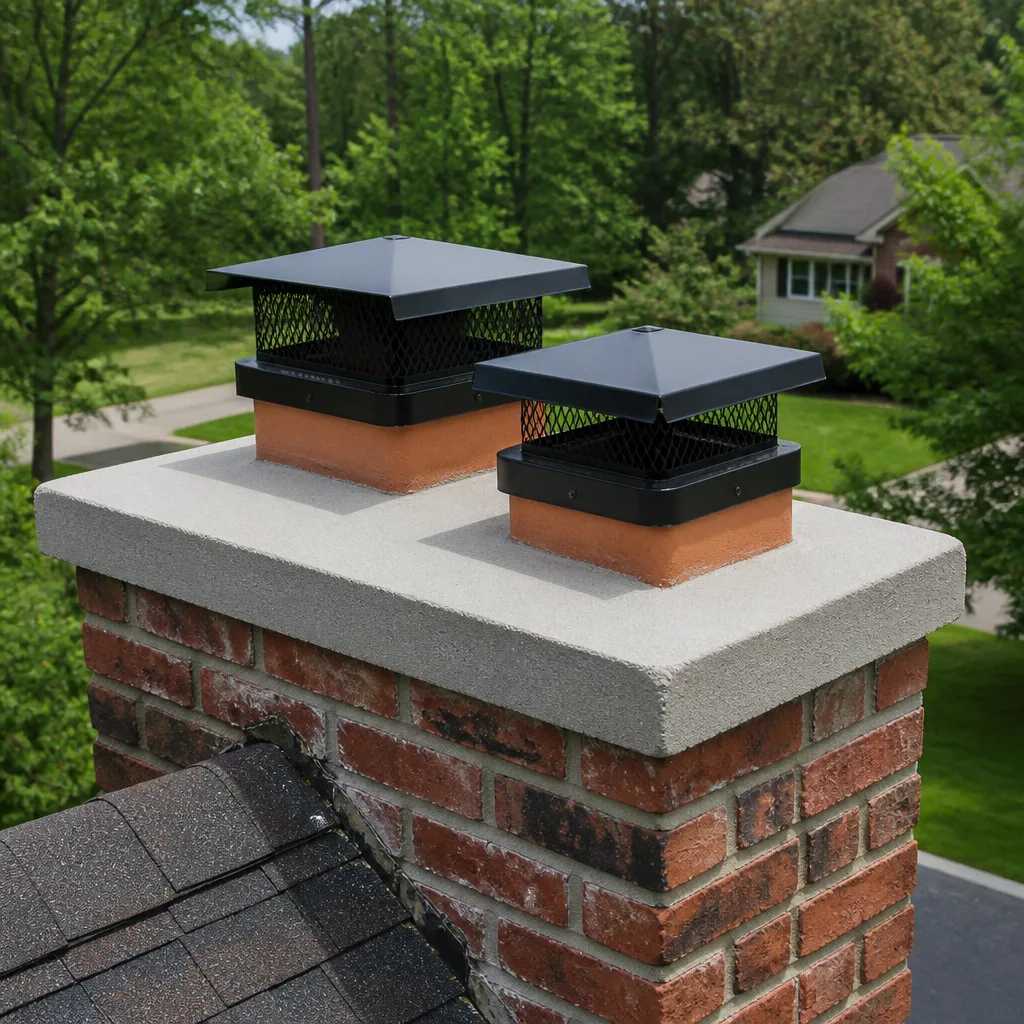
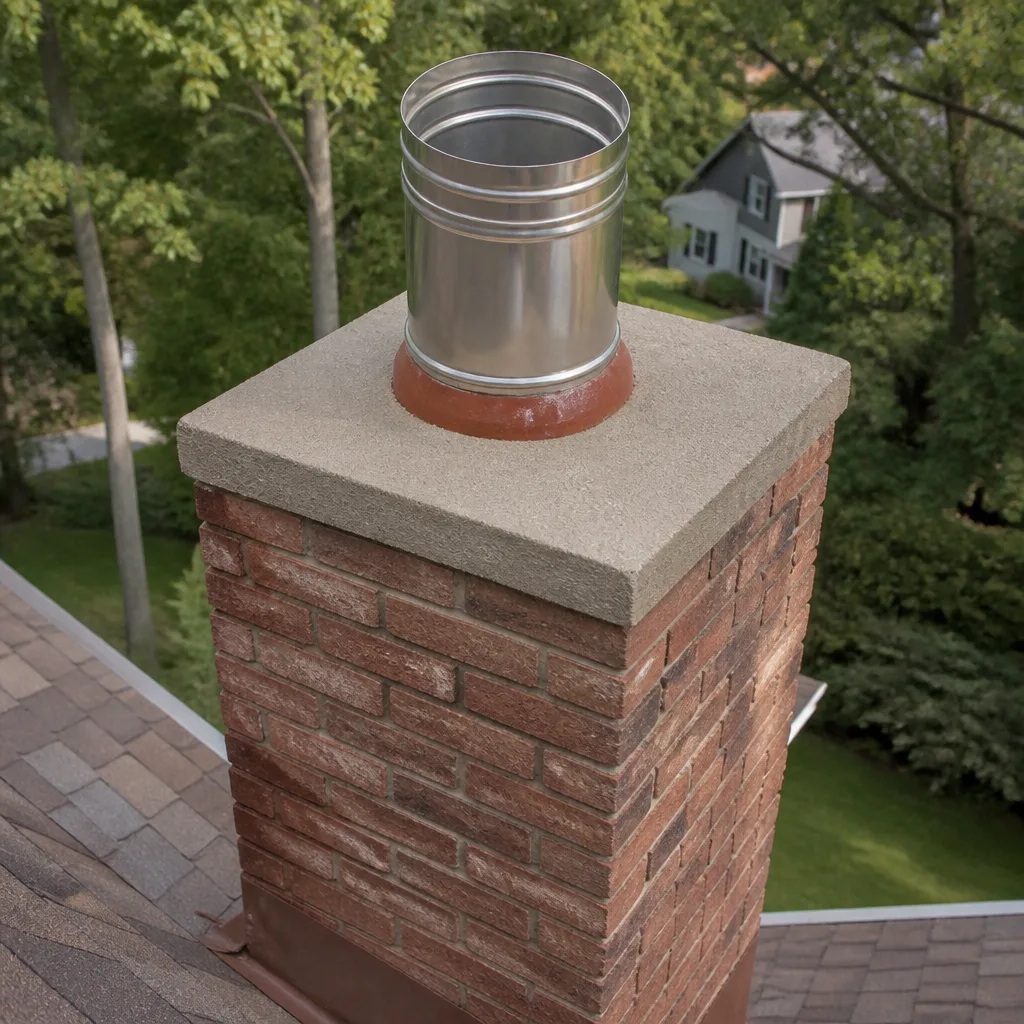
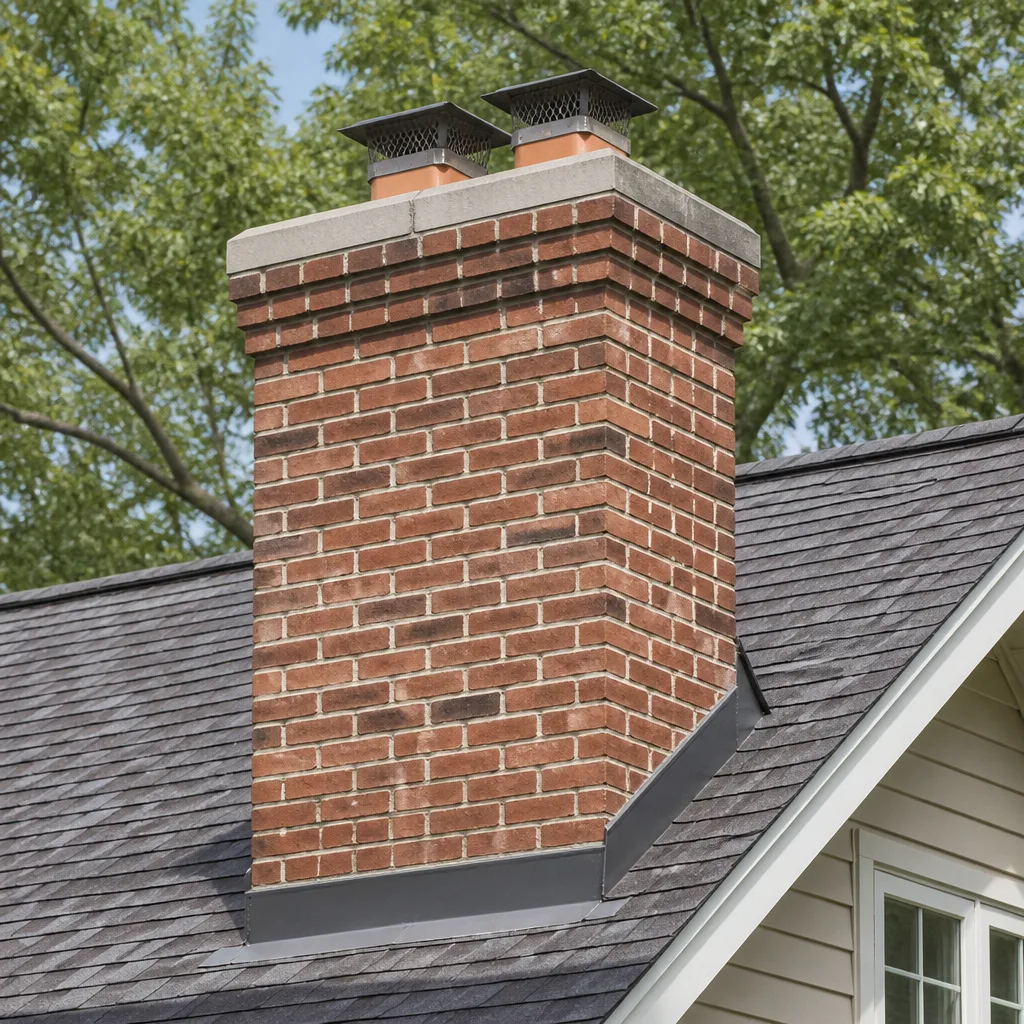
Level 1 sweep and inspection to the NFPA 211 annual standard - flue, crown, cap, and flashing checked and photographed
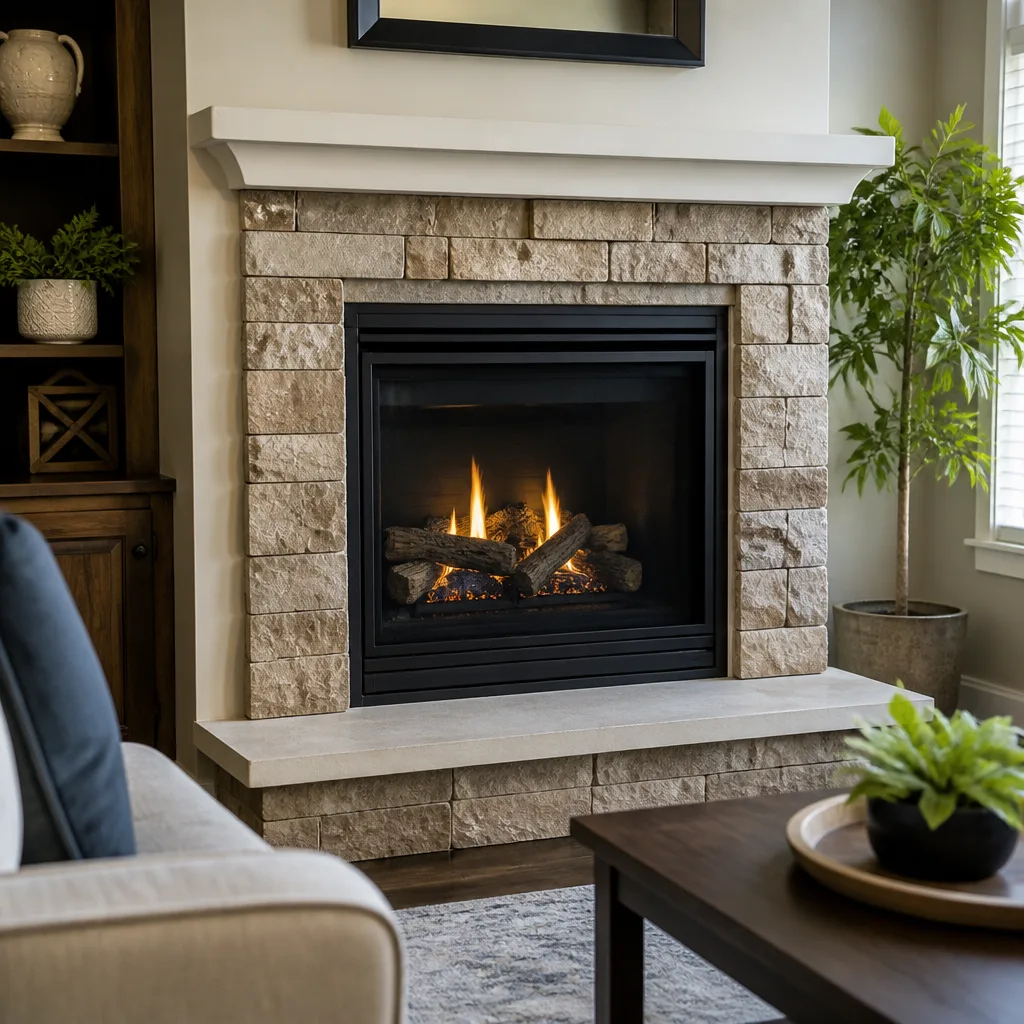
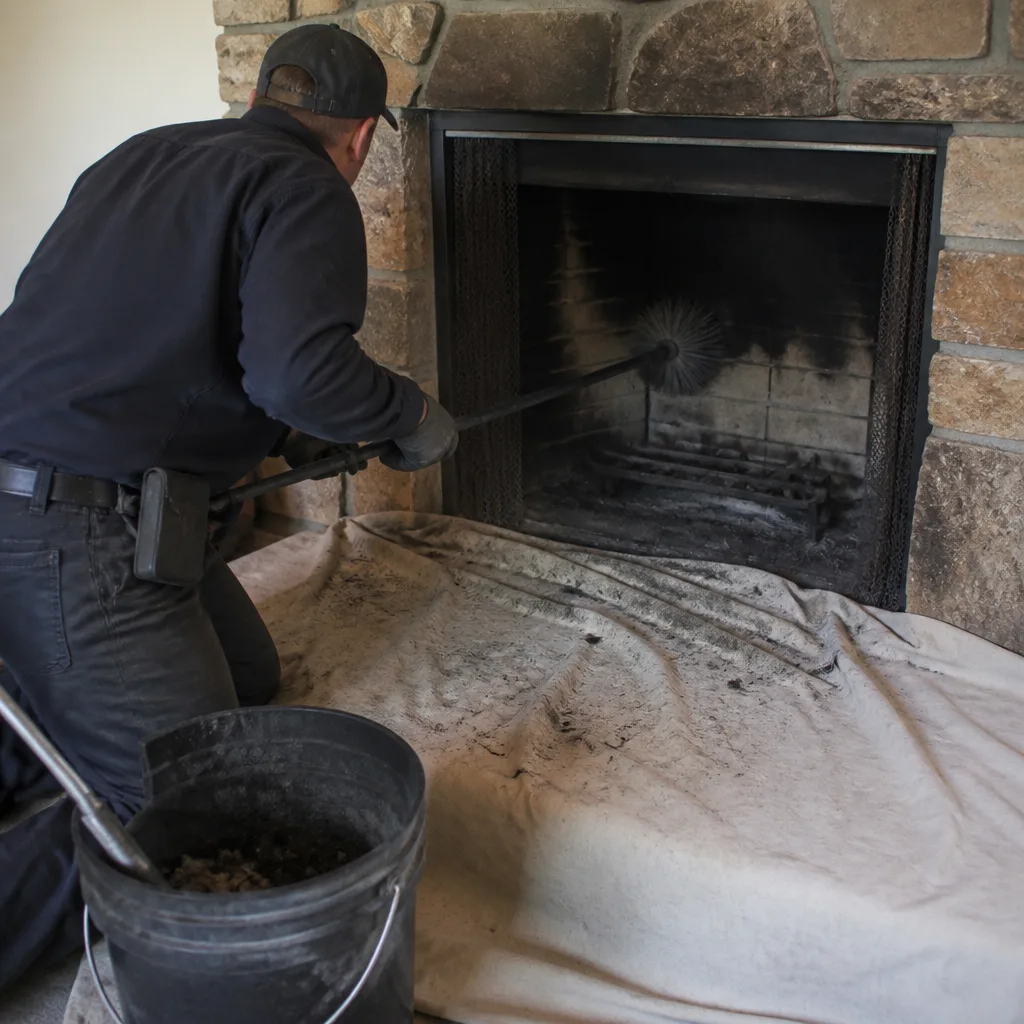
Chimney sweep logs do not sweep chimneys. They loosen some creosote - which then falls where a brush and vacuum still have to collect it.
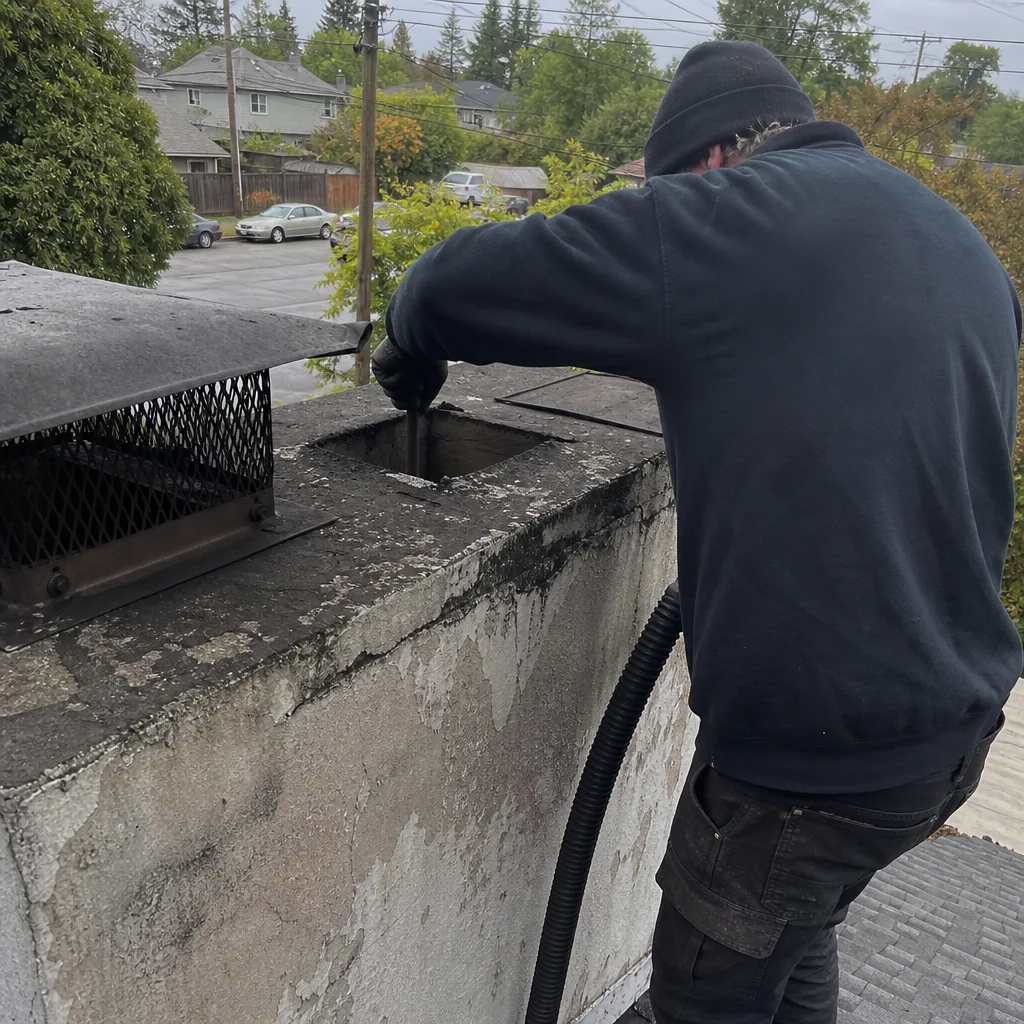 Before
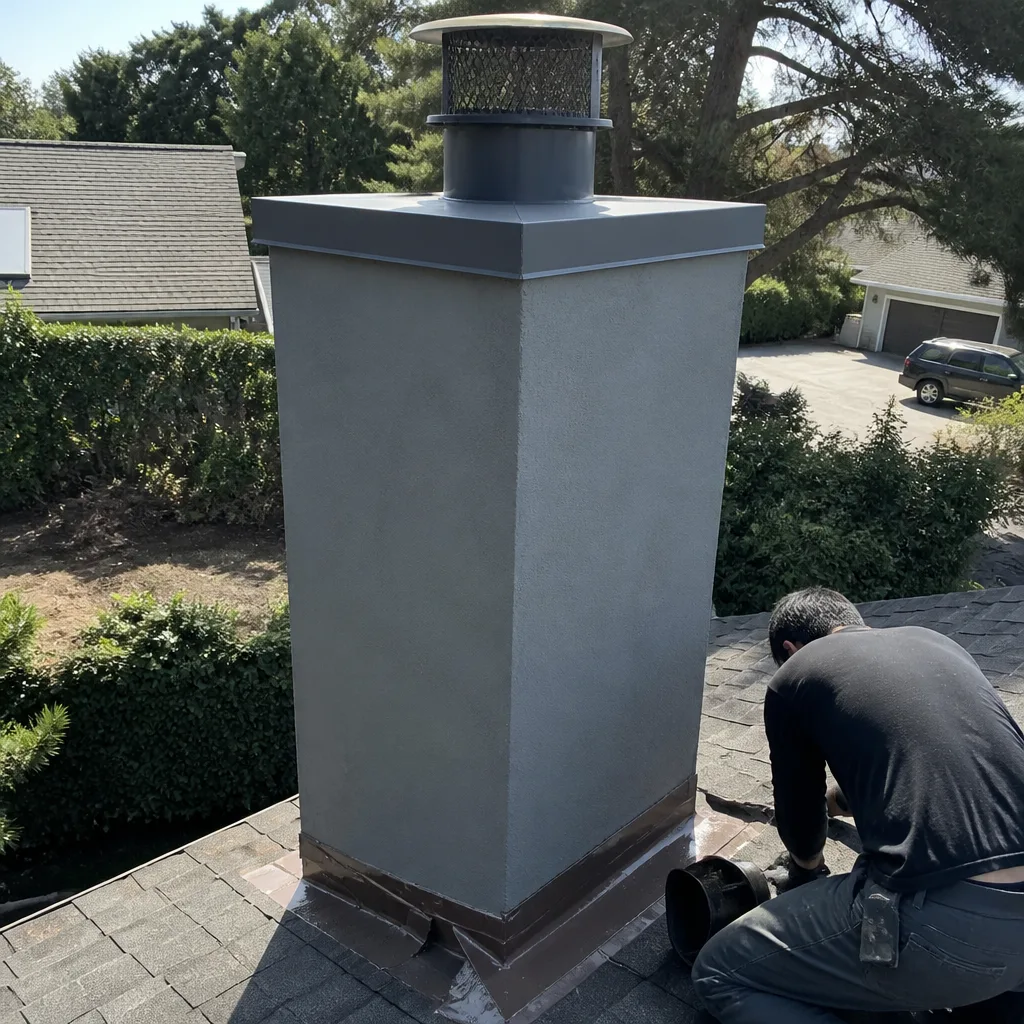 After
After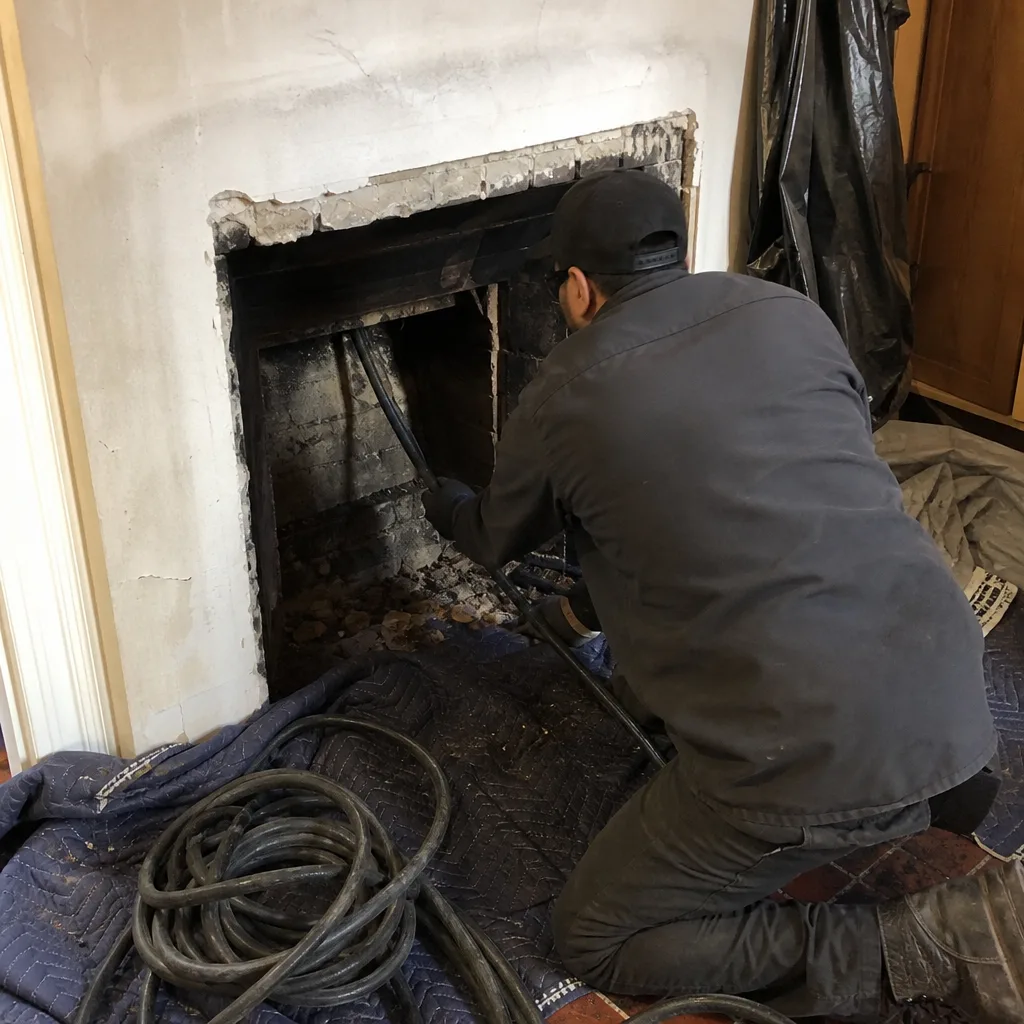 Before
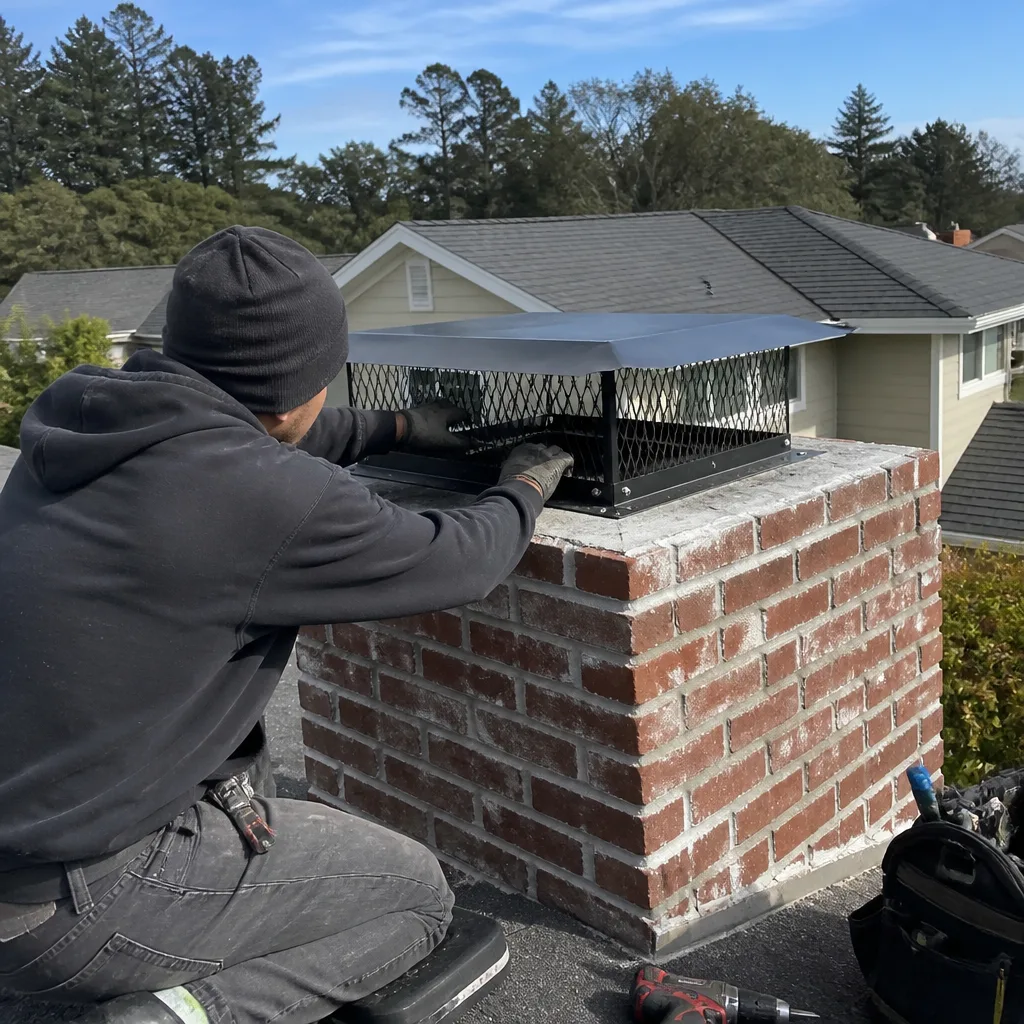 After
After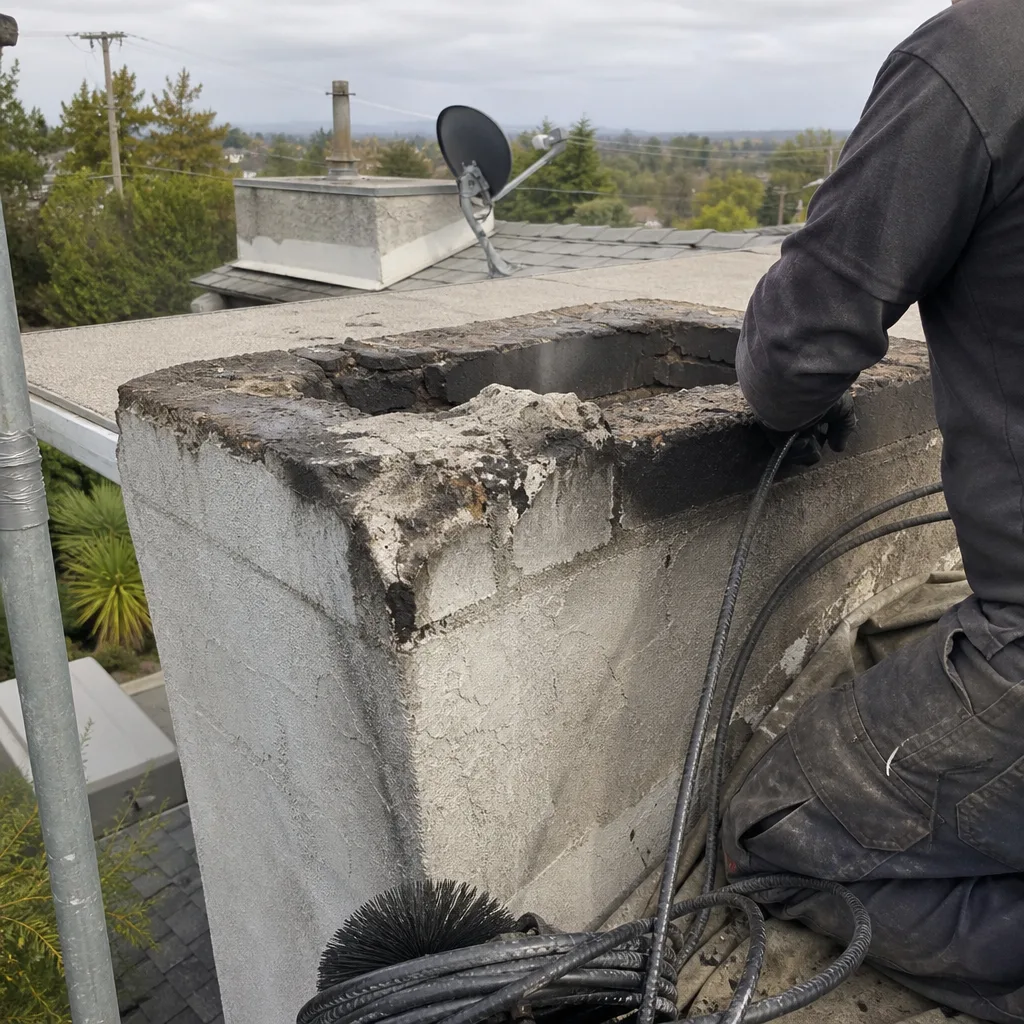 Before
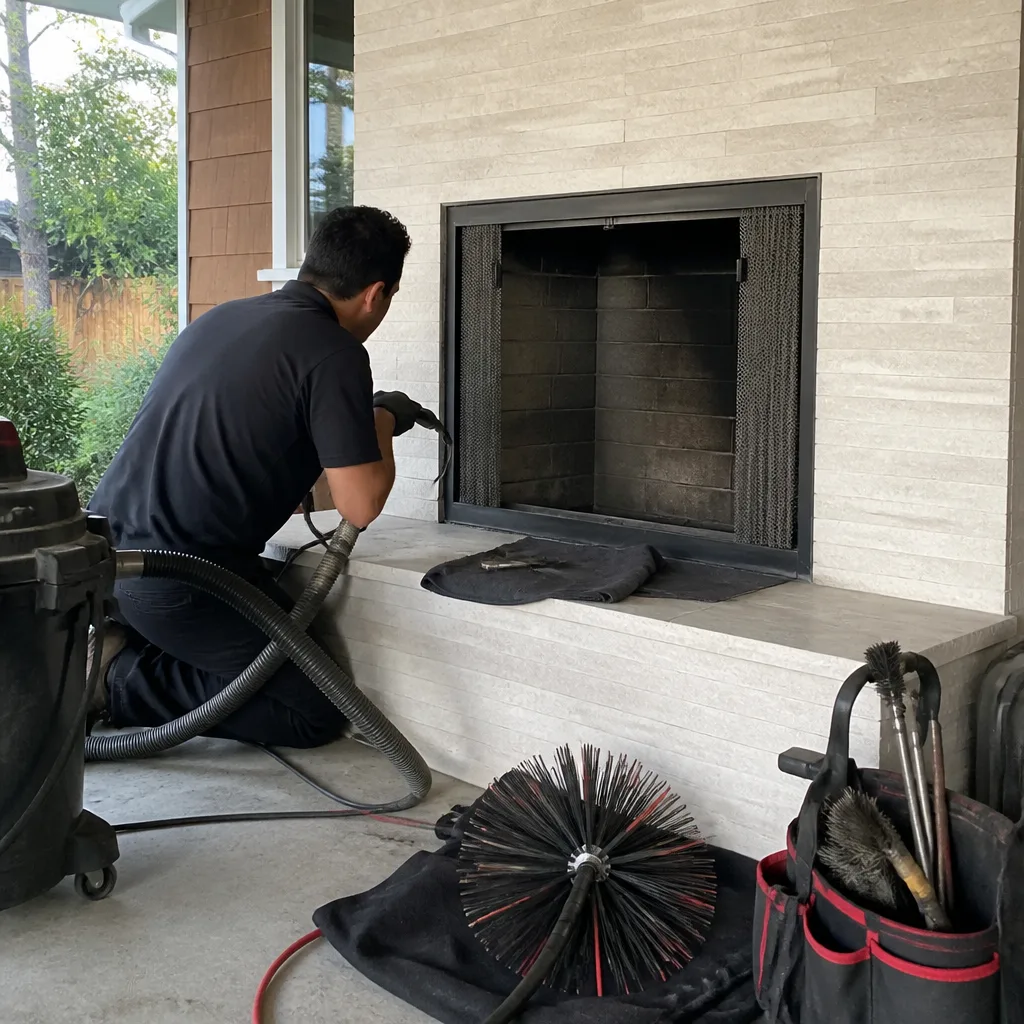 After
AfterChimney Cleaning Cost Breakdown: The San Mateo Homeowner’s Reference for 2026
The $149 chimney cleaning special that floods San Mateo Nextdoor threads every October is a customer-acquisition cost, not a service price. The business model assumes a 60-70% conversion rate to additional work quoted only after the technician is already inside your home. In 2026, legitimate chimney cleaning in San Mateo ranges from $180 to $420 for a standard sweep with documented inspection, while the final invoice on that $149 special averages $340-$890 once “discovered” issues are presented. This guide names every real cost variable, shows which ones you can verify yourself, and explains why the way a company prices before arrival predicts everything about what you’ll pay after. For Chimney Cleaning Warning Signs: A San Mateo Homeowner’s Reference Guide, see our companion resource.
Quick Answer
A professional chimney cleaning with NFPA 211 Level 2 camera inspection in San Mateo costs $220-$380 for a single-flue masonry fireplace in 2026. Prefab wood-burning units run $180-$290. Multi-flue systems, steep roof access, or Class III glazed creosote removal add $75-$320. Any quote below $180 that includes inspection is subsidizing a future upsell.
Table of Contents
- Why Chimney Cleaning Prices in San Mateo Vary So Widely
- The Four Legitimate Cost Components of a Chimney Cleaning
- What Camera-Scan Inspection Adds to Cost (and Why It Reduces Total Spend)
- San Mateo-Specific Cost Variables: Roofs, Access, and Code
- How to Read a Chimney Cleaning Quote: Line Items and Red Flags
- Warranty Cost Math: What Documentation Is Worth When Something Fails
- Common Mistakes to Avoid
- When to Call a Professional
- Frequently Asked Questions
- The Bottom Line
 Before
 After
AfterWhy Chimney Cleaning Prices in San Mateo Vary So Widely
We’ve completed more than 38,000 chimney inspections and cleanings since 2009, and the price dispersion on identical-looking jobs still surprises homeowners. The range isn’t arbitrary. It’s structural.
San Mateo’s market sits at a specific intersection: high property values, older housing stock (median home age in the city is 52 years), strict California fire codes, and a seasonal demand spike that compresses October through January into a four-month revenue window. Companies respond to this pressure with three distinct pricing models, and the model predicts your final invoice more accurately than the headline number.
Model 1: The Loss-Leader Special ($89-$159)
This is the $149 October special. The company loses money on the sweep itself. Technicians are paid commission on upsell conversion, not hourly wage. The inspection is visual-only, no camera, no written documentation. “Findings” are presented verbally, often with photos taken on a personal phone rather than archived equipment. In our experience reviewing competitor quotes brought in for second opinions, 73% of these jobs result in recommended additional work averaging $340-$620, with no pre-existing documentation to verify whether the condition existed before the technician arrived.
Model 2: The Bundled Flat Rate ($180-$280)
A legitimate sweep with basic inspection, but the inspection method isn’t specified. “Inspection included” can mean a flashlight look from the firebox or a full camera scan. The price is honest for a limited scope, but homeowners don’t know what they didn’t get until a problem emerges later. No separate line item for documentation means no archive exists.
Model 3: Itemized Documentation Pricing ($220-$420)
Each component is priced separately: access, inspection method, cleaning labor by flue type, debris disposal, and written photo record. This is the model we use at Level Two Chimney San Mateo home, and it’s the only structure that lets a homeowner verify what was done, compare year-over-year condition, and hold any provider accountable. Clause 1 of the Haven Standard requires a written price, written scope, and written warranty before work starts. Clause 4 requires a documented photo record on every job.
The gap between Model 1 and Model 3 isn’t $70-$260. It’s the difference between a transaction and a record. In San Mateo’s insurance and real estate environment, that record has tangible value.
The Four Legitimate Cost Components of a Chimney Cleaning
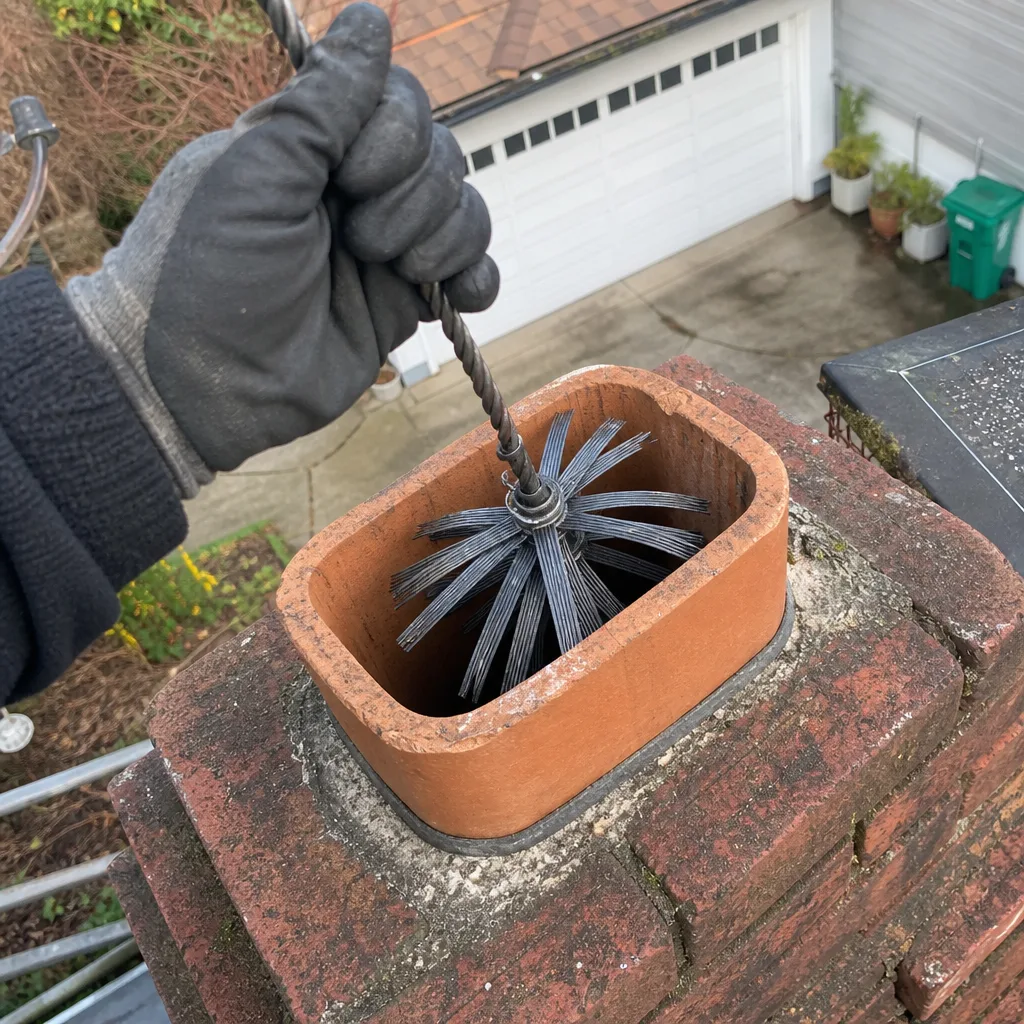
Every chimney cleaning quote in San Mateo should break down into four line items. If any are missing or merged, you’re not comparing services, you’re comparing presentation styles.
1. Inspection Method: Camera vs. Flashlight
The inspection is not a bonus. It’s the diagnostic that determines whether cleaning is sufficient or whether damage requires repair. Two methods dominate the San Mateo market:
- Visual inspection (flashlight from firebox or roof): $0-$40 when bundled, but misses concealed flue damage, liner gaps, and mid-flue creosote buildup. NFPA 211 recognizes this as Level 1, appropriate only for unchanged systems under continued use.
- Camera-scan inspection (NFPA 211 Level 2): $85-$150 as a standalone line item. A high-resolution camera on a flexible rod is run the full flue length, capturing video or stills of liner condition, mortar joints, and creosote classification. This is the standard we established as default practice in 2009, later codified as Haven Standard Clause 4.
In San Mateo’s climate, the distinction matters more than in drier regions. Our marine layer cycles, with morning fog followed by afternoon sun, accelerate exterior spalling and interior condensation. A flashlight inspection in October 2024 won’t catch the hairline crack that opens during January thermal shock. Camera documentation from Chimney Cleaning & Sweep in San Mateo creates a dated baseline.
2. Cleaning Labor by Flue Type and Structure
This is where most of the variation sits. Not all flues clean the same way.
| Flue Type | 2026 San Mateo Price Range | What Affects Labor |
|---|---|---|
| Single-flue masonry, single-story | $140-$195 | Standard rotary brushing, soot/vacuum extraction |
| Single-flue masonry, two-story | $175-$240 | Extended rod sets, additional ladder work, longer hose runs |
| Prefab metal (factory-built) fireplace | $120-$175 | Smaller diameter, different brush compatibility, gasket inspection |
| Insert (wood or pellet) with liner | $165-$260 | Liner removal/replacement, baffle cleaning, connector pipe |
| Multi-flue system (2+ flues) | $220-$340 base + $95-$140 per additional flue | Each flue is a separate cleaning; shared smoke chamber adds complexity |
| Class III glazed creosote removal | $180-$420 additional | Chemical treatment cycles, mechanical removal with chains or whips, extended labor |
Class III creosote deserves specific mention. It’s the hardened, tar-like deposit that forms when wood burns incompletely at low temperatures, common in San Mateo homes where homeowners damp fires for overnight burn. It cannot be removed with standard brushes. Chemical treatments (we use HeatShield-compatible preparatory agents) require 12-24 hour dwell times, then mechanical removal. A company quoting $149 for “any chimney” is either assuming Class I-II soot or planning to renegotiate on arrival.
3. Debris Disposal
Creosote and soot are hazardous waste under California regulations, not standard household trash. Legitimate disposal runs $25-$55 per job, depending on volume. Some San Mateo haulers require manifests for quantities over 50 pounds. A quote without a disposal line item is either burying the cost elsewhere or disposing improperly.
4. Written Documentation
The photo record, written scope, and warranty documents cost $35-$75 to produce, archive, and transmit. This is not administrative overhead. It’s the deliverable that distinguishes a service from a visit. Haven Standard Clause 4 requires this documentation; we’ve provided it on every job since 2009. Without it, you have no evidence of pre-existing condition for insurance, no baseline for future comparison, and no recourse if the same “problem” is rediscovered next season.
What Camera-Scan Inspection Adds to Cost (and Why It Reduces Total Spend)
Camera inspection adds $85-$150 to the base price. The math on why this reduces total spend is straightforward once you see how the alternative works.
Without camera documentation, the technician arrives, cleans, and then presents “findings.” The homeowner has no independent verification of whether cracks, gaps, or deterioration existed before cleaning began. The technician has incentive to attribute pre-existing conditions to the cleaning process, or to discover “urgent” issues that require immediate additional work. The average upsell in this scenario, based on second-opinion quotes we’ve reviewed in San Mateo, is $340-$620.
With camera documentation, the inspection precedes cleaning. The homeowner sees dated, archived footage of flue condition before any work starts. If additional work is recommended, the documentation shows whether the condition is new, progressive, or stable. Three outcomes become possible that save money:
- Deferred repair: A stable hairline crack with no spalling can be monitored annually rather than repaired immediately. We’ve documented cracks in San Mateo Hills homes that remained stable for 7+ years of camera records.
- Targeted repair: Documentation shows exactly where liner failure begins and ends, preventing full-liner replacement when a sectional repair (using DuraFlex or Olympia Chimney components) is sufficient.
- Insurance documentation: If damage later occurs, the pre-cleaning record establishes baseline condition, preventing claims disputes. One San Mateo homeowner in the Baywood neighborhood used our 2019-2023 photo archive to demonstrate that lightning damage in 2024 was new, not pre-existing, recovering a $4,200 claim that was initially denied.
The $85-$150 camera add pays for itself if it prevents even one unnecessary $400 repair recommendation. In our data, it prevents more than one.
San Mateo-Specific Cost Variables: Roofs, Access, and Code
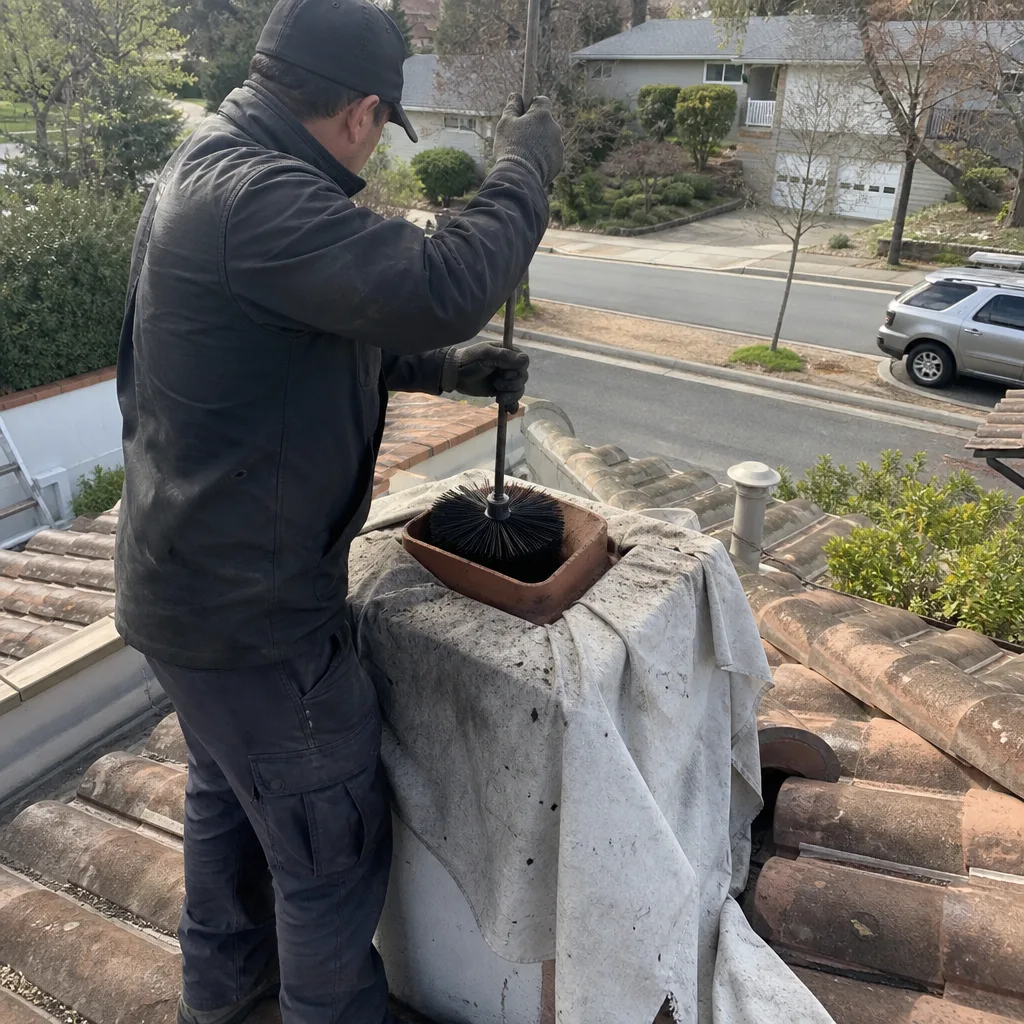
San Mateo’s geography and building stock create cost variables that don’t appear in generic pricing guides. These are legitimate surcharges when documented; they’re red flags when sprung after arrival.
Roof Pitch Surcharges
San Mateo’s hillside neighborhoods, Hayward Park above El Camino Real, and portions of Beresford Park have roof pitches exceeding 8:12, where standard ladder access becomes unsafe. Proper equipment, rigging, or alternative access (often through interior chase) adds $65-$140. We specify this in our written quote based on satellite imagery review before dispatch, not after the technician arrives.
Split-Level and Hillside Access
Homes built on San Mateo’s slopes, particularly in the 1950s-1970s ranch and split-level stock, often have chimneys positioned for mid-roof access rather than ridge or eave. Interior chase access through closets or garages may be required. This extends labor 30-60 minutes and adds $45-$95. Again: specified in writing before booking, not discovered on arrival.
Permit and Code Requirements
San Mateo County and city jurisdictions require Chimney Cleaning Permits, Codes & Inspections in CA: What You Need to Know for any work crossing from cleaning into repair: liner replacement, crown rebuild, structural masonry repair, or chase cover modification. Permit fees run $85-$220 depending on scope. A company that performs repair work without permits saves you that fee but exposes you to insurance voidance and resale disclosure liability.
California’s Title 24 energy code also affects fireplace modifications. Any insert installation or damper replacement must meet current efficiency standards. Materials from Gelco, Famco, or Copperfield that we source through Haven’s buying network are pre-verified for compliance, preventing the cost of rework if an inspector flags non-compliant components.
Seasonal Demand Compression
San Mateo’s burning season runs roughly November through March, with first cold snaps typically in late October. The four-month compression means legitimate companies book 3-4 weeks ahead by mid-October. Companies advertising “same-week availability” in peak season are either overstaffed (and passing that cost through upsells) or using subcontracted labor without the background-check and uniform standards that Haven Standard Clause 3 requires.
How to Read a Chimney Cleaning Quote: Line Items and Red Flags
A legitimate quote is a contract before it’s an invoice. Here’s what should appear, and what should trigger scrutiny.
Required Line Items
- Inspection method specified by NFPA level (Level 1 visual or Level 2 camera-scan)
- Flue type and count, with per-flue pricing if multiple
- Access method and any pitch/height surcharge
- Cleaning method (rotary brushing, chemical treatment, mechanical removal)
- Debris disposal fee
- Documentation deliverables (photo record, written report, warranty terms)
- Total price, expiration date, and payment terms
Red-Flag Structures
Hourly rates: Chimney cleaning is scope-based work, not time-and-materials. An hourly rate ($85-$150/hour advertised) with “typically 1-2 hours” is a price ceiling without a floor. We’ve reviewed San Mateo invoices where “unexpected complications” extended a standard sweep to 4.5 hours and $612.
“Assessment fee applied to work”: This is Model 1 pricing in disguise. The assessment is priced high enough to feel substantial ($129-$189), then “waived” when you accept recommended work. The psychological anchor makes the upsell feel like savings. In reality, the work was always going to be $400-$700; the fee structure just obscures it.
Verbal-only quotes: California law requires written contracts for home improvement work over $500, but many chimney companies exploit the “service call” exemption for smaller jobs. A verbal quote with “we’ll write it up after” is unenforceable. Haven Standard Clause 1 requires written price, scope, and warranty before work starts, regardless of job size.
Missing documentation line item: If archiving your photo record isn’t priced separately, it’s not being archived. Phone photos deleted after 30 days are not a record.
How to Verify
- Request the quote by email, not text or verbally. Email creates a timestamped record.
- Ask for the technician’s name and license number before booking. In California, all home improvement contractors must display their CSLB license. We provide this with every quote.
- Confirm photo archive access: how long are images retained, in what format, and how do you retrieve them?
- For any recommended repair, request the pre-cleaning camera footage showing the condition before work began.
Warranty Cost Math: What Documentation Is Worth When Something Fails
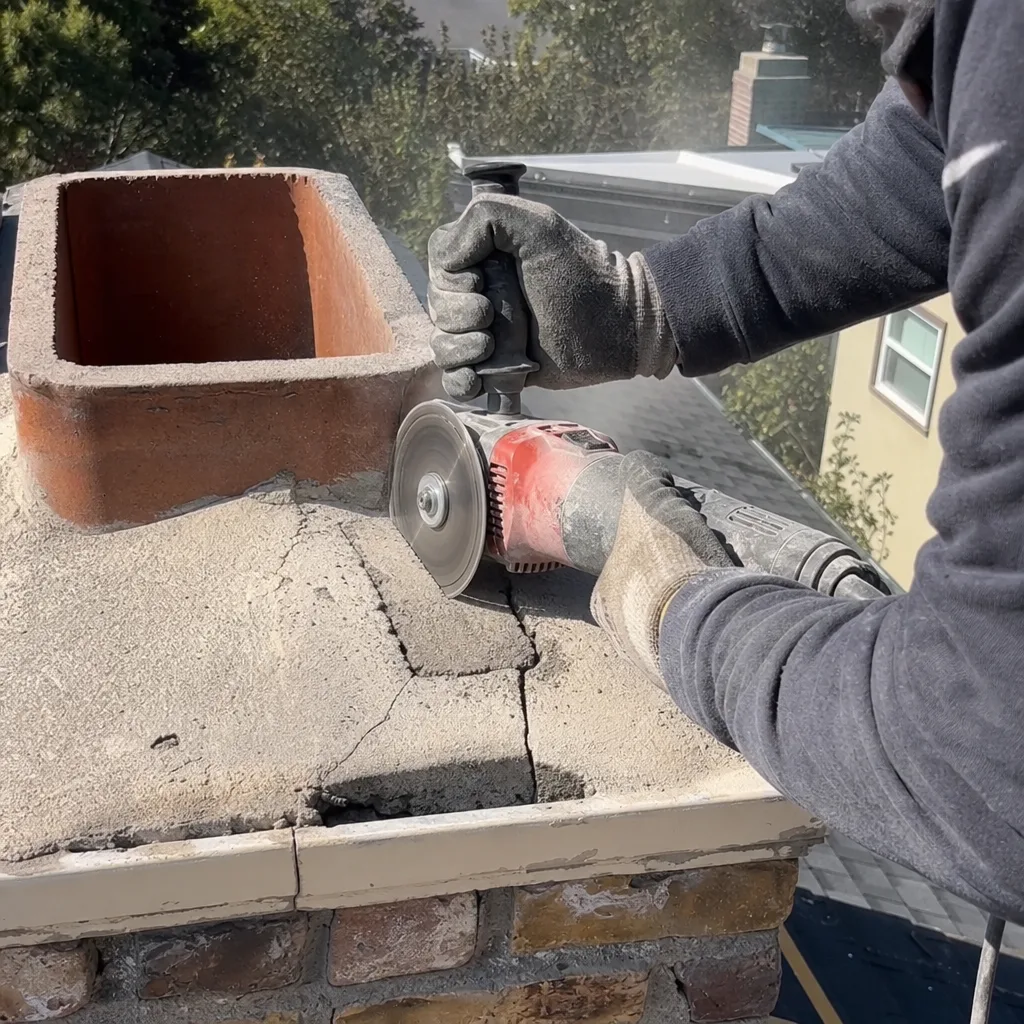
The absence of a written workmanship warranty has a specific dollar value: it’s the full cost of redoing work that fails, plus any consequential damage, minus whatever you can recover through small claims court.
Here’s the scenario we see annually in San Mateo. A homeowner accepts a $289 “sweep and inspection” with verbal assurance that “we guarantee our work.” Six months later, smoke leaks into a bedroom. The company notes that the guarantee covered “the cleaning,” not “the chimney,” or that the technician (now departed) exceeded scope, or simply stops returning calls. The homeowner pays $1,800-$4,200 for liner repair or replacement that might have been preventable with documented early detection.
The 365-Day Done Right Promise that we stamp on every job under the Haven Standard is a specific contractual commitment: if it’s not done right, we make it right. The documentation archive makes it enforceable. When we warranty a cleaning-related repair, we can reference the original camera footage, the written scope, and the materials specification (DuraFlex liner gauge, HeatShield application thickness, Gelco cap model) to determine whether failure is workmanship, material defect, or unrelated damage. This precision protects both parties.
For insurance purposes, the value is starker. After a chimney fire, insurers routinely request:
- Date of last professional inspection and cleaning
- Documentation of flue condition at that service
- Written scope of any recommended repairs
- Evidence of whether recommended work was completed
Without this documentation, claims are denied on maintenance exclusion grounds. The $35-$75 documentation line item on a cleaning quote is trivial against a denied $15,000 fire damage claim.
Common Mistakes to Avoid
- Booking by headline price alone. The $149 special in San Mateo is structured to convert to $500+ average revenue. Compare total documented scope, not first-line numbers.
- Skipping the off-season. April through September pricing runs 10-15% lower, availability is immediate, and technicians aren’t rushing between compressed appointments. Creosote doesn’t improve with waiting.
- Assuming all “inspections” are equal. A flashlight look and a camera scan are different services with different diagnostic power. Verify which you’re receiving.
- Neglecting the chase cover and crown. In San Mateo’s salt-air exposure, galvanized chase covers rust through in 7-12 years. Water entry destroys liners from the top down. A cleaning quote that doesn’t include crown and cover condition assessment is incomplete.
- Accepting verbal repair recommendations. Any condition requiring repair should be documented with dated photos and a separate written estimate. Verbal recommendations have no enforcement mechanism.
- Forgetting permit implications. Unpermitted liner replacement or structural repair can void homeowner’s insurance and create disclosure liability on sale. Verify permit status for any work beyond cleaning.
- Ignoring the technician’s employment status. Commission-paid technicians have structural incentive to find problems. Hourly or salaried technicians with documented performance standards, as Haven Standard Clause 3 requires, do not.
When to Call a Professional
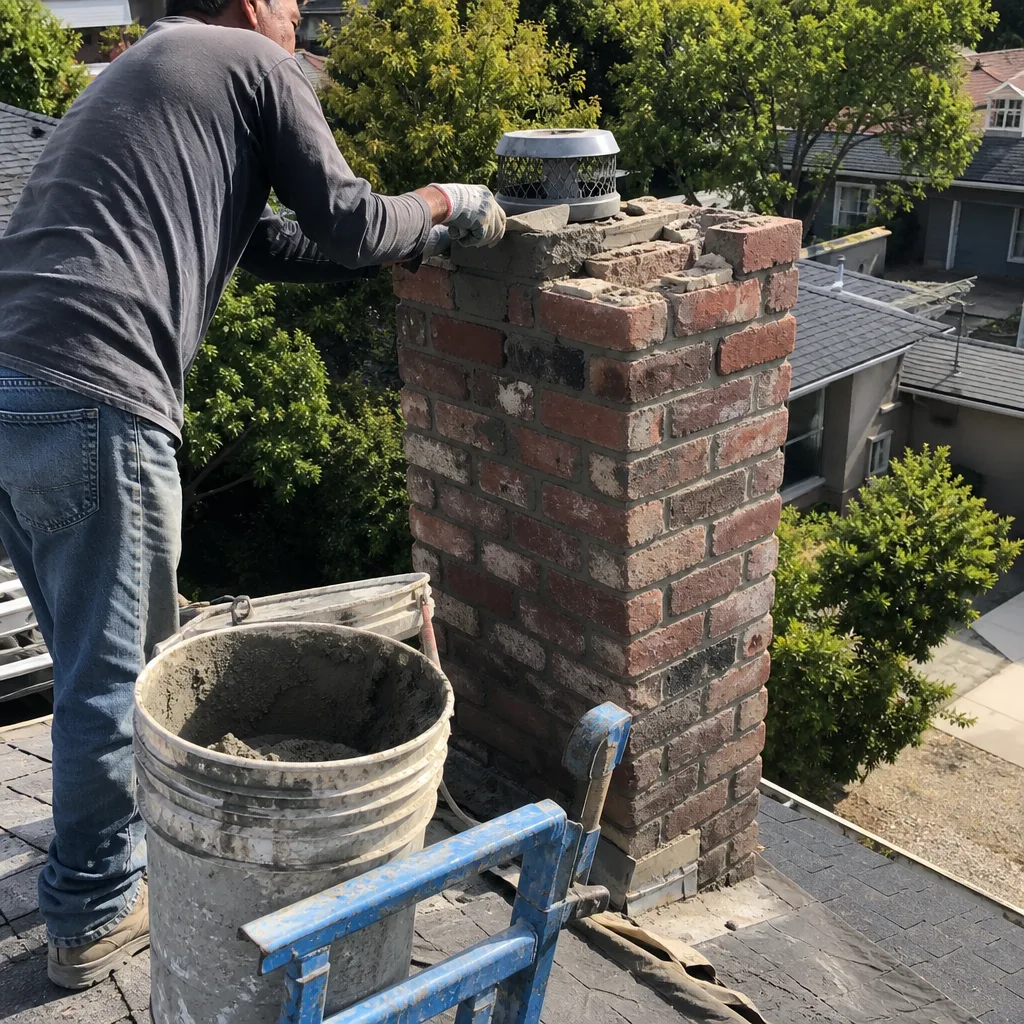
Call before burning season begins, not after the first cold night reveals a problem. Specific triggers: visible creosote flakes in the firebox, smoke odor when the fireplace isn’t in use, a damper that sticks or won’t fully close, or any change in draft performance after weather events. In San Mateo’s hillside neighborhoods, check the exterior crown and flashing after significant wind storms, which are more common October through March than most homeowners realize.
If you’re buying a home, request the seller’s chimney documentation as part of disclosure review. Absence of recent camera-scan records is a negotiation point, not a dealbreaker, but it shifts the burden to you.
Chimney Repair in San Mateo and cleaning should be documented, dated, and archived. Level Two Chimney San Mateo offers free estimates in San Mateo with written scope and pricing before any work begins. Call (650) 600-3117 to schedule, or bring us any competitor’s written quote for a free second opinion.
Frequently Asked Questions
A professional chimney sweep with NFPA 211 Level 2 camera inspection in San Mateo costs $220-$380 for a standard single-flue masonry fireplace in 2026. Prefab units run $180-$290. Multi-flue systems, steep roof access, or heavy creosote removal add $75-$320. Quotes below $180 that include inspection are typically loss-leaders designed to generate repair upsells. Call (650) 600-3117 for an exact quote based on your specific system - estimates are free.
You need a new liner when camera documentation shows cracking, gaps, or deterioration that creates a fire or carbon monoxide hazard, not when a technician says so verbally. In San Mateo’s climate, clay tile liners in homes built 1960-1990 often show thermal-shock cracking that progresses slowly. A documented photo record lets you distinguish stable hairline cracks from active deterioration. If a company recommends liner replacement without showing you dated, archived camera footage of the damage, get a second opinion. We provide free second opinions on any written estimate.
NFPA 211 recommends annual inspection for all chimneys, with cleaning frequency determined by use and fuel type. A wood-burning fireplace used 2-3 times weekly during San Mateo’s November-March burning season typically requires annual sweeping. Occasional use (holiday fires only) may extend to every 2-3 years if inspection confirms light soot accumulation. Oil and gas systems need less frequent cleaning but still require annual inspection for venting integrity. The marine layer condensation in San Mateo accelerates exterior deterioration, making the inspection component more critical than in drier climates.
Skipped cleaning allows creosote accumulation, which restricts flue airflow and increases chimney fire risk. Class I and II creosote can progress to Class III glazed deposits that are significantly more expensive to remove. More critically, without annual camera inspection, progressive liner damage, crown deterioration, or water entry goes undetected until failure occurs. In San Mateo, we’ve documented homes where three years of skipped inspection allowed water infiltration through a failed crown to destroy a stainless liner from the top down, turning a $180 crown repair into a $3,400 liner replacement. Call (650) 600-3117 to schedule before small problems become large ones.
A Level Two inspection includes visual examination of accessible portions of the chimney exterior and interior, plus camera-scan documentation of the full flue length, smoke chamber, and firebox. It covers clearance to combustibles, damper operation, and structural soundness. At Level Two Chimney San Mateo, every Level Two inspection includes a documented photo record archived under Haven Standard Clause 4, a written scope of findings, and a written price for any recommended work before it begins. Explore more guides & resources on our blog. This is the standard we made default in 2009, not an upgrade.
Homeowners can perform basic firebox and damper cleaning, but flue cleaning requires specific equipment and carries real risks. Class III creosote removal involves chemical treatments and mechanical tools that can damage liners if misapplied. More importantly, without camera inspection, you cannot assess liner condition, mortar joint integrity, or concealed damage. The safety caveat is specific: chimney fires can exceed 2,000 degrees, and carbon monoxide from blocked or damaged flues is odorless and lethal. Professional inspection is not a luxury for occupied homes; it’s a baseline safety measure. For Fireplace Services in San Mateo that include full documentation, call a professional.
The Bottom Line
Chimney cleaning in San Mateo costs $180-$420 for legitimate, documented work in 2026. The variance comes from flue type, access difficulty, inspection method, and documentation quality, not from mysterious market forces. The $149 special is a customer-acquisition cost that averages $340-$890 final invoice. The protection against this model is simple: written price before work starts, camera documentation before cleaning begins, and archived records you can reference. These aren’t premium features. They’re the baseline of professional practice, codified in the Haven Standard since 2009. Anything less is a different service entirely.
Written by Corrine Halstead, Owner at Level Two Chimney San Mateo, serving San Mateo since 2009.